Wilhelm Sasnal
Born on 29 December 1972 in Tarnów, Poland, lives and works in Krakow, Poland.Represented in 2026 by Sadie Coles HQ (London), Anton Kern Gallery (New York) and Foksal Gallery Foundation (Warsaw).
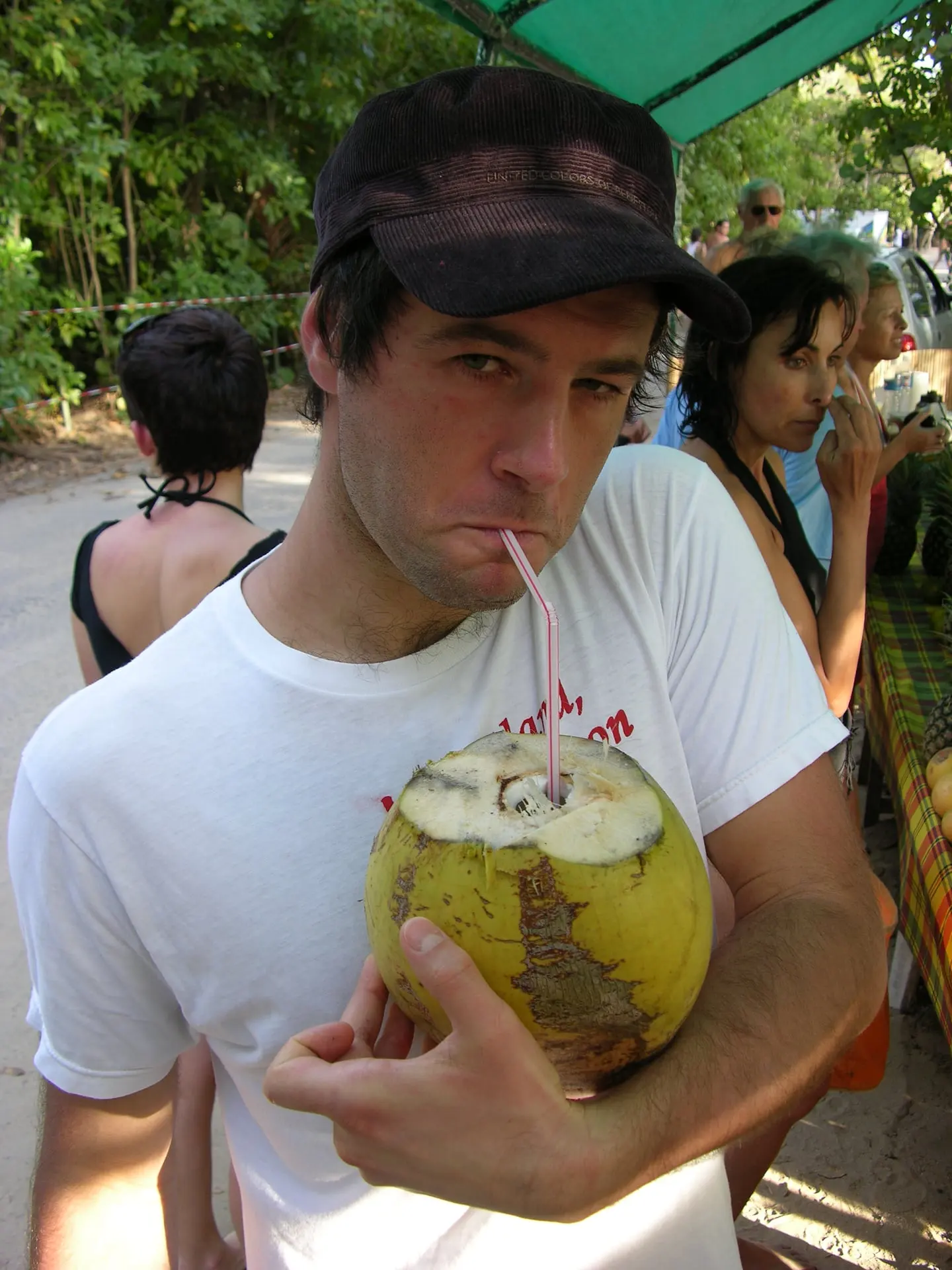
Residency context
Residency in January 2007, the artist’s first visit to the Caribbean.
Residency account
A painter, filmmaker, and comic book artist, Wilhelm Sasnal is widely regarded as a major figure of contemporary Polish art. Acclaimed by critics and celebrated by the general public alike, he revitalized interest in painting in the 2000s by developing a singular style that influenced an entire generation of younger artists. Currently among Poland’s most sought-after painters, his works are held in prestigious international collections, including the Centre Pompidou, Tate Modern, the Guggenheim Museum, and MoMA.
Primarily known for his canvases derived from photographs—evoking the work of Gerhard Richter or Luc Tuymans—Sasnal describes his painting as functioning like an anachronistic, slow-motion television broadcast, thereby heightening the emotional resonance of perception.
He draws imagery from his own photography as well as from books, mass media, and the internet. An aesthetic defined by sometimes extreme synthesis, a deliberate lack of depth, the depiction of seemingly banal objects, and cinematic framing all contribute to the artist’s ongoing inquiry into representation and the mechanisms of vision. This is exemplified in his mural in the park of the Warsaw Rising Museum, where, through prolonged observation of yellow and black pansies, the viewer comes to question whether they are instead beholding skulls. The sheer heterogeneity of his subject matter might suggest that the depicted object is merely a pretext for probing painting’s contemporary challenges—as though Sasnal’s practice were devoted entirely to this autotelic reflection in an era of image oversaturation. Yet, whether rendering intimate family scenes, borrowings from comic strips, iconic historical figures, or simplified silhouettes of factories, these elements are unified by the artist’s intense emotional relationship with them. In this way, Sasnal’s painting serves as a nexus where personal history intersects with generational experience and the national traumas he seeks to deconstruct.
Belonging to the generation that came of age during the fall of the Berlin Wall, Sasnal cannot separate his artistic trajectory from major historical shifts. Through his painterly treatment, the everyday objects he depicts function as generational emblems. He first gained recognition in the 1990s by publishing short comic strips in the pop-culture magazine Machina—a authentic cultural and social chronicle of his daily life. These vignettes portray the young Wilhelm managing material hardship, spending his last savings on rock cassettes, painting, and repeatedly reassuring his pregnant partner that he is actively searching for employment.
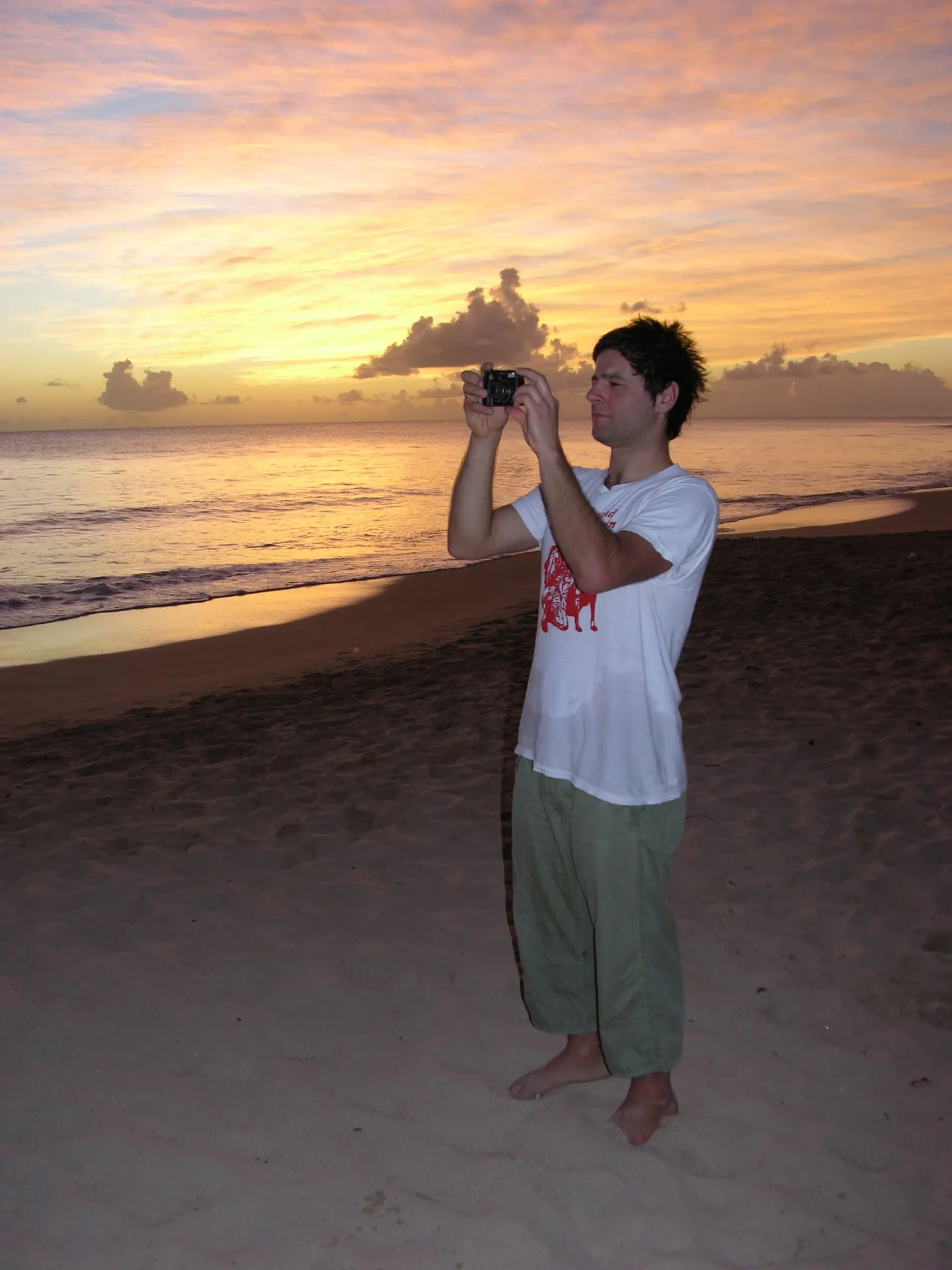
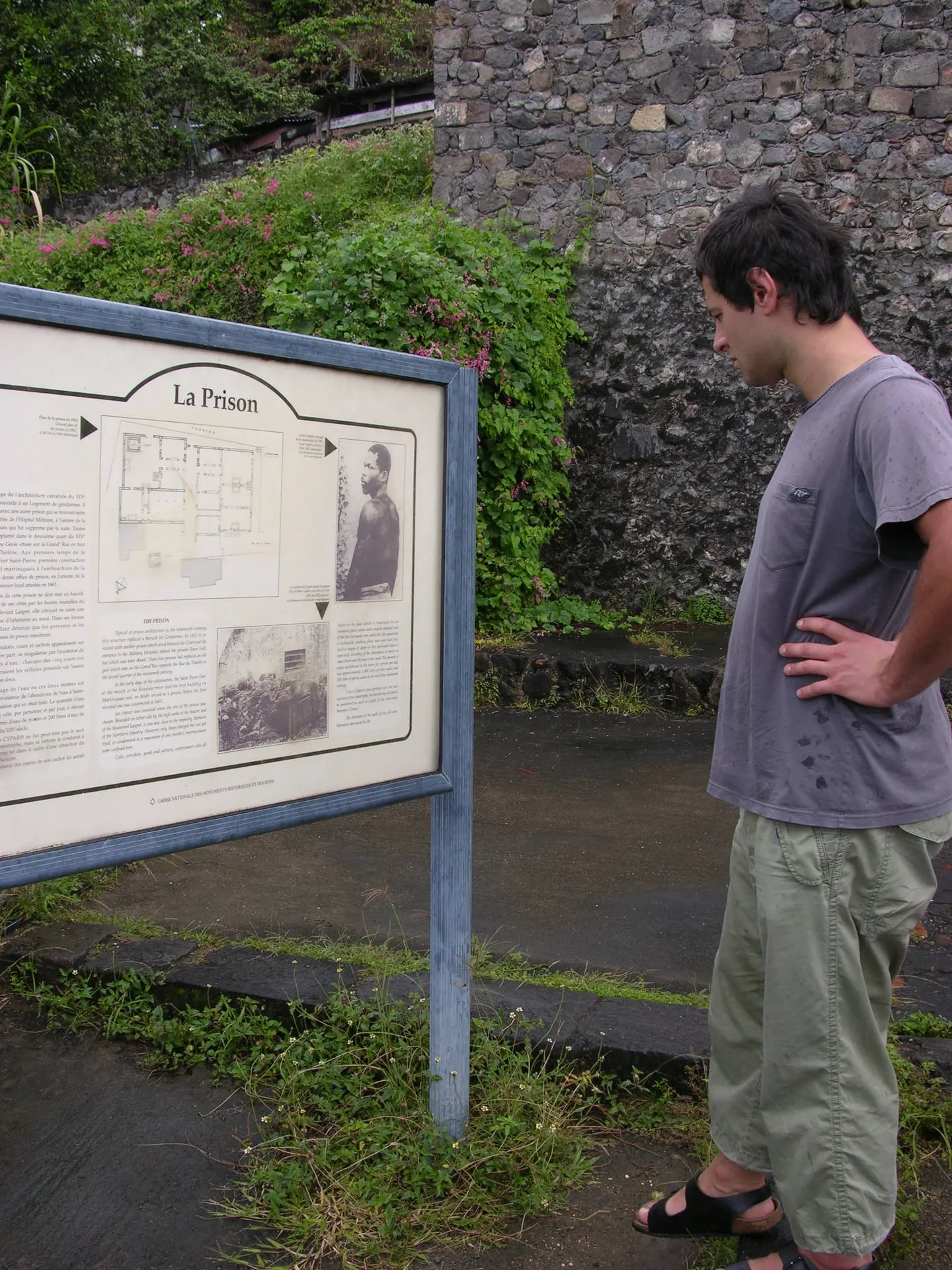
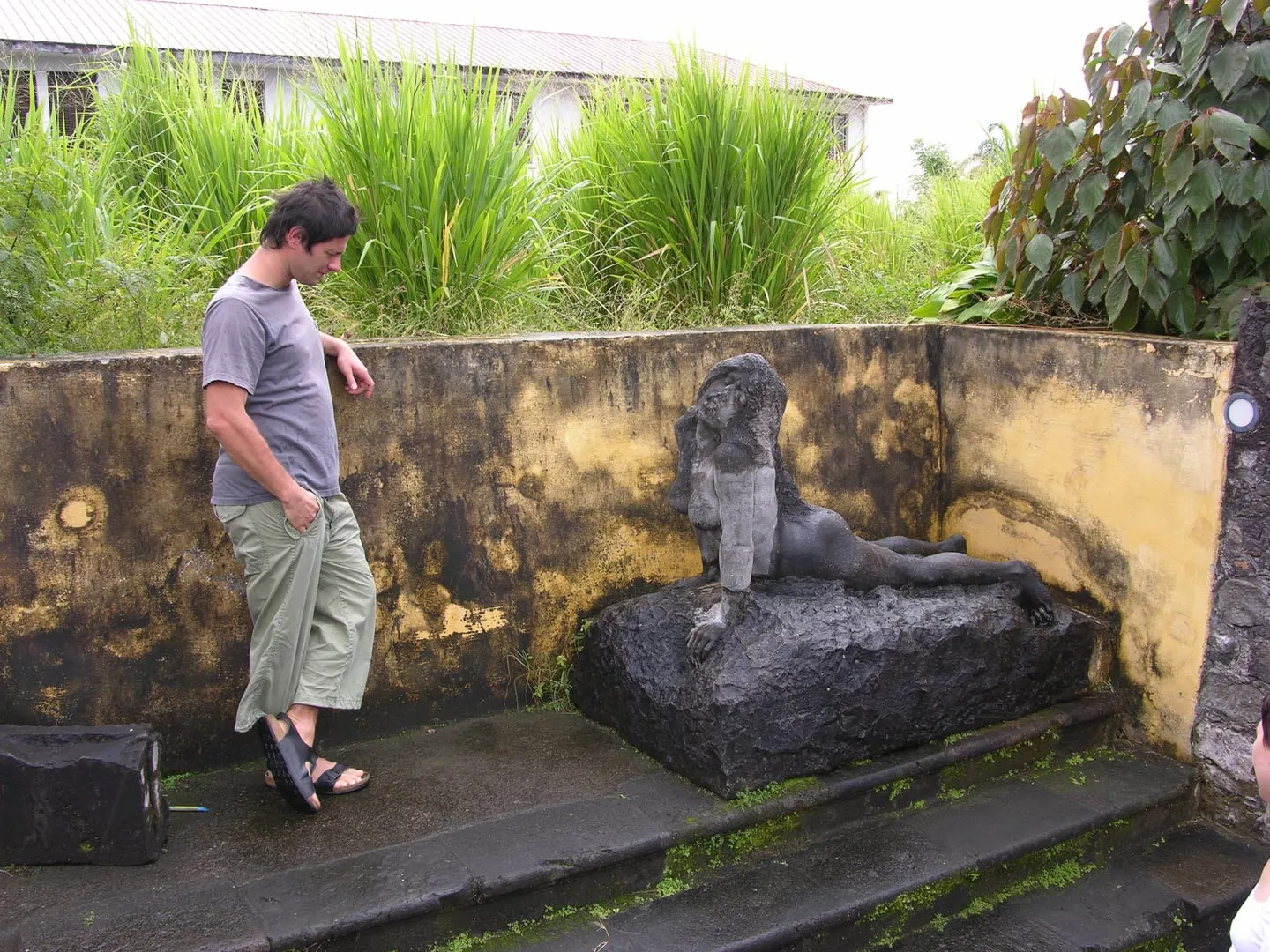
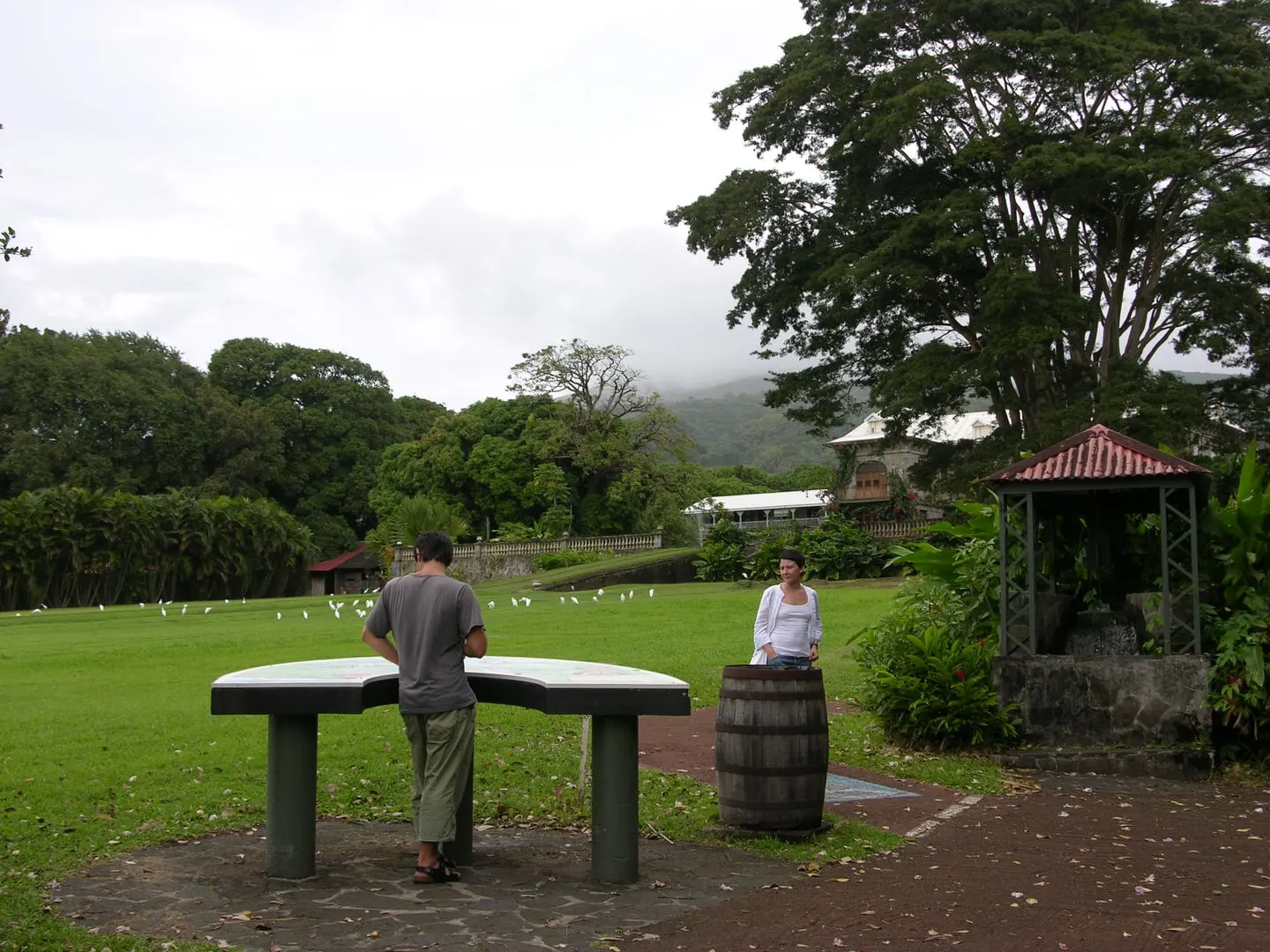
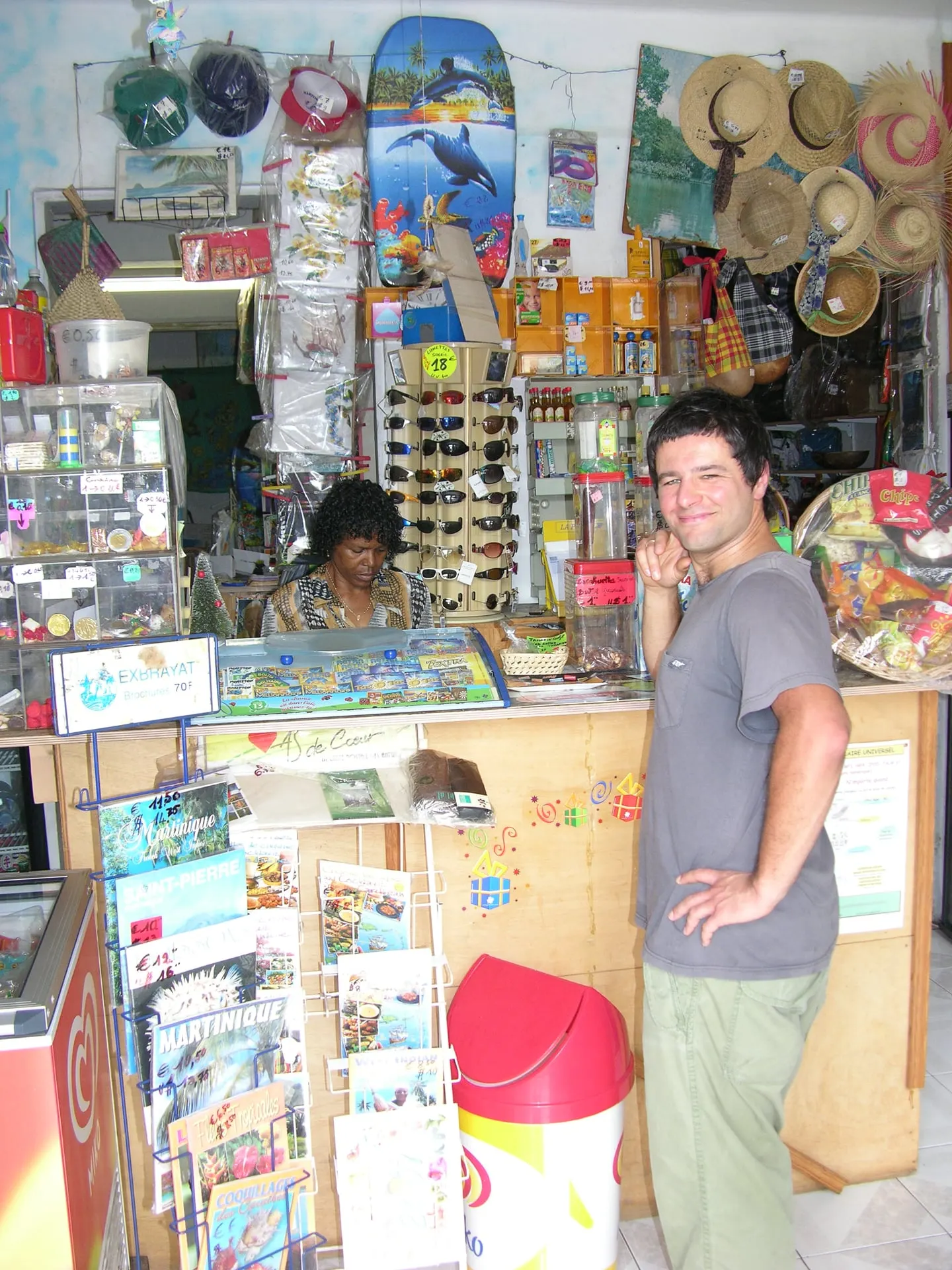
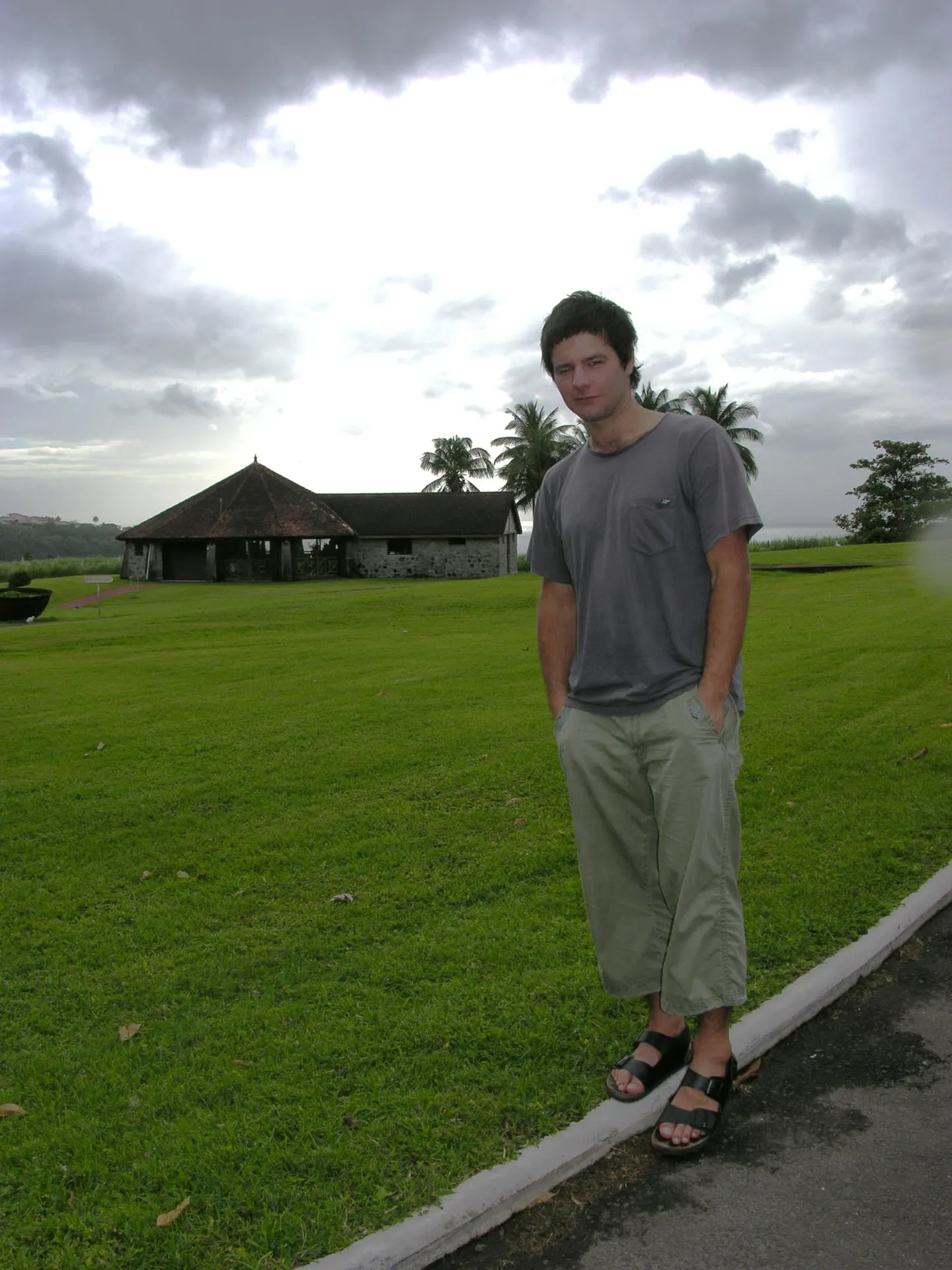
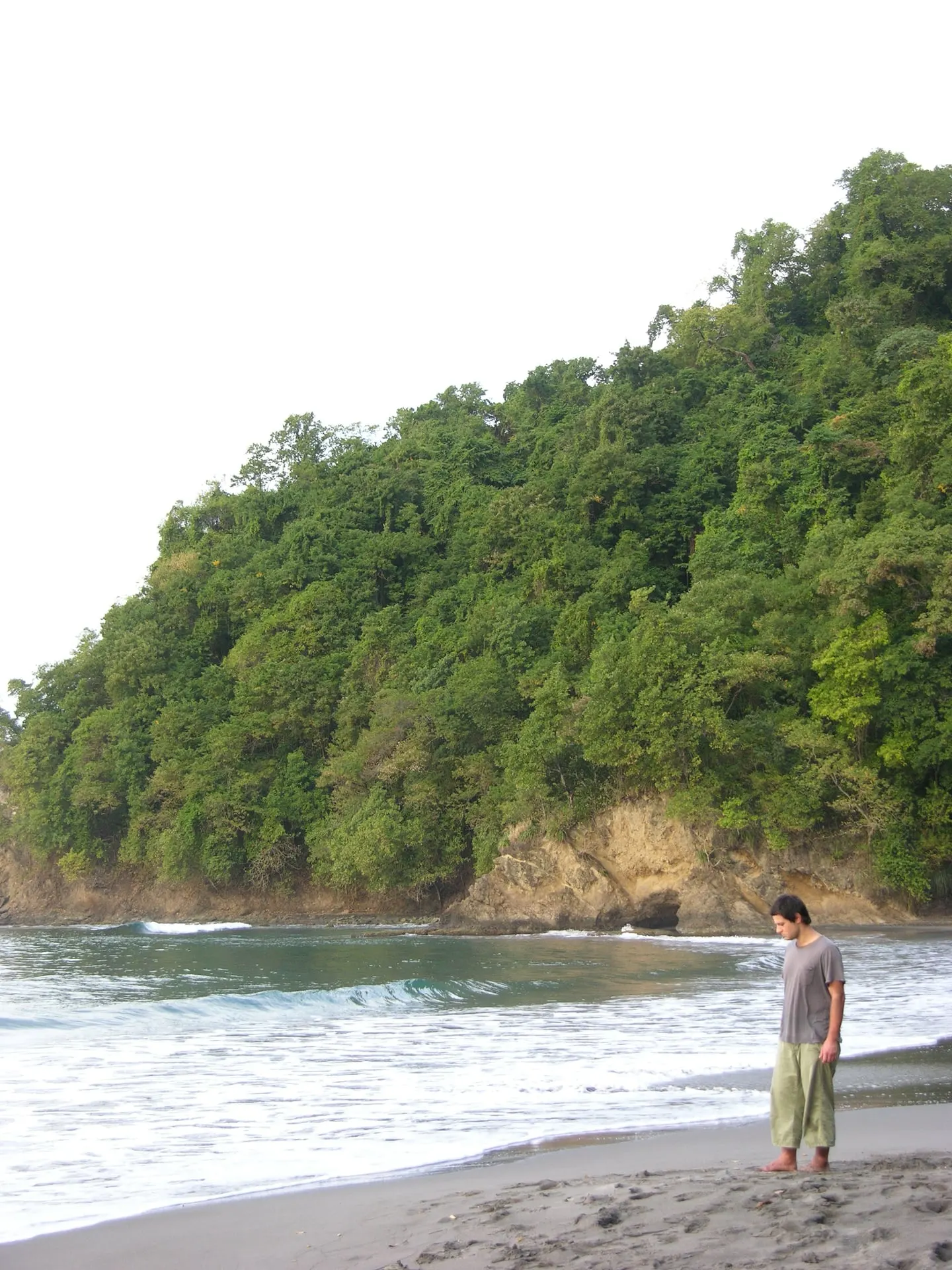
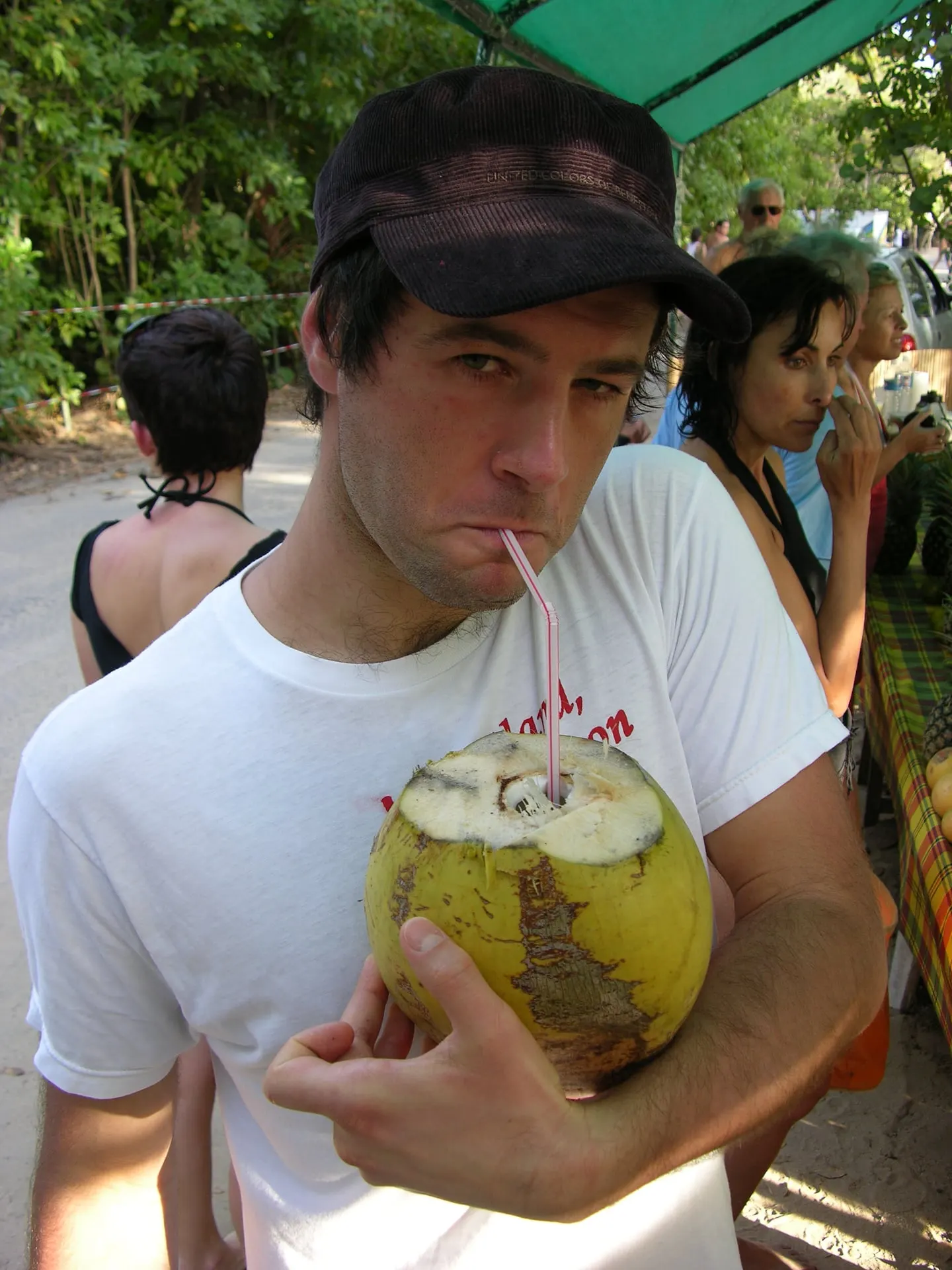
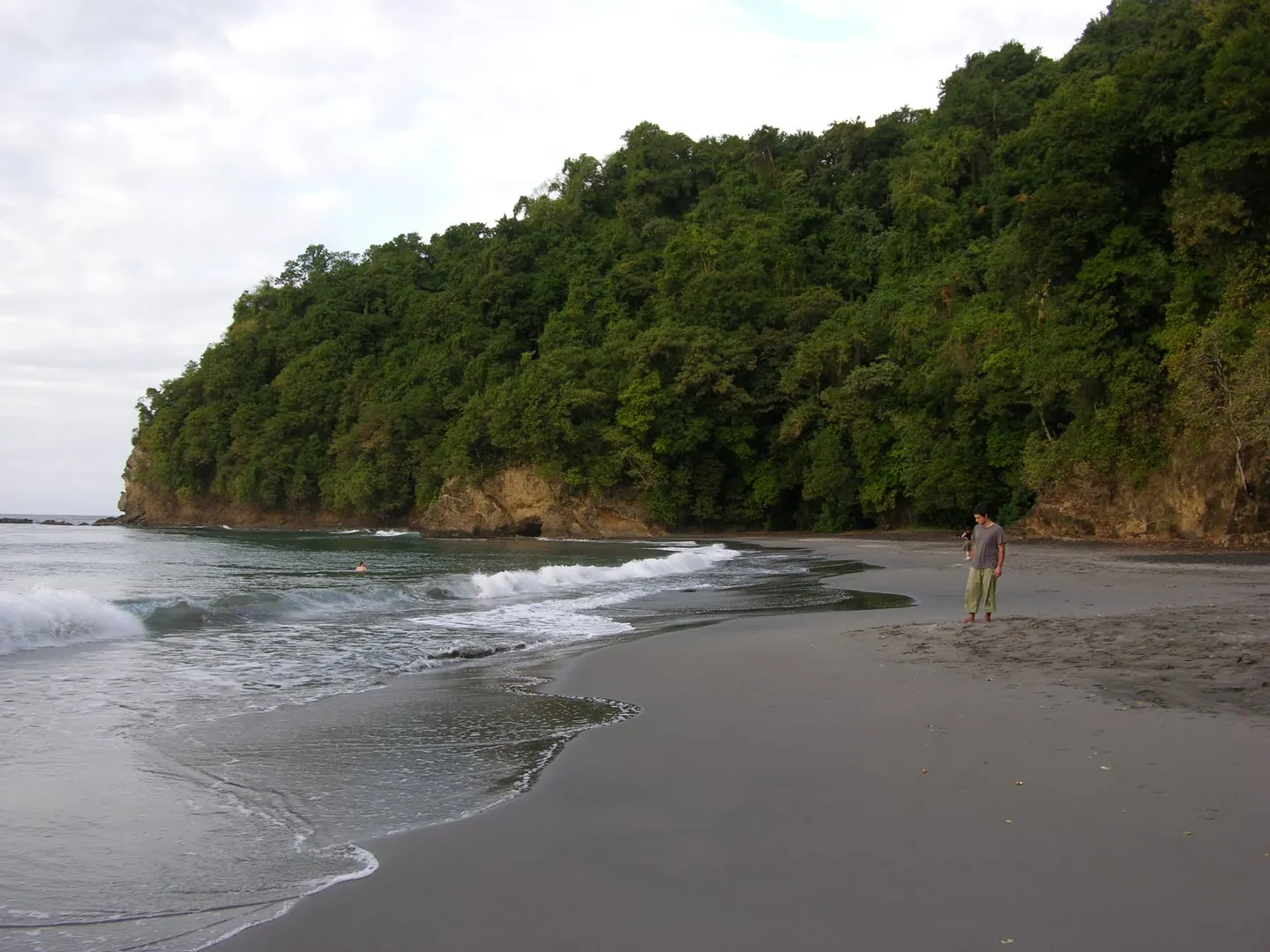
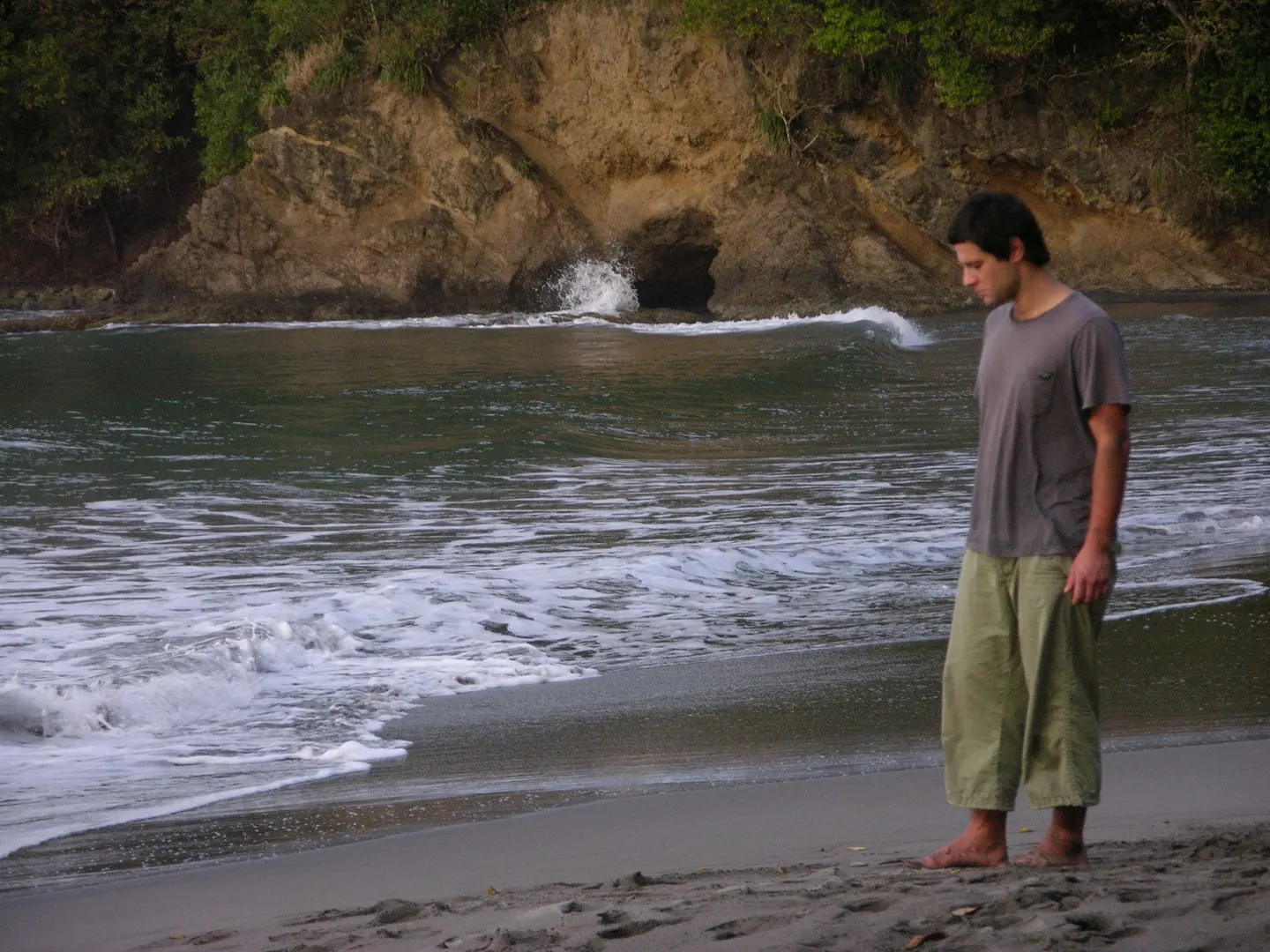
The residency in Martinique marked Wilhelm Sasnal’s first journey to the Caribbean, followed a few months later by a trip to Cuba. In Martinique, the visual artist was struck by the lush vegetation and the pervasive presence of “green”—a hue that reemerges as thick impasto applied with sweeping brushstrokes in his 2011 canvases, such as the work depicting a female figure holding a newborn, a mother consumed by her child. This chromatic intensity is particularly striking for an artist who works extensively in black and white.
For Sasnal, his time in Martinique was a deeply sensory experience of displacement, prompting him to explore the entire island and capture images for future paintings. It was the sugarcane and banana plantations that left the strongest impression, inspiring a film project the artist intends to realize on a subsequent trip.
“Painting is always a process of transforming something I have seen somewhere or something that happened to me: it is like drilling a hole in your belly and mixing the colors inside you. When I paint, I simply go into the deepest part of myself.”
Documentary gallery
Rights
Publication rights for the photographs confirmed by Frédéric Guilbaud on 23 August 2026.