Les Résidences Informelles
The project
Les Résidences Informelles: 25 internationally renowned artists hosted in Martinique between 1999 and 2014.
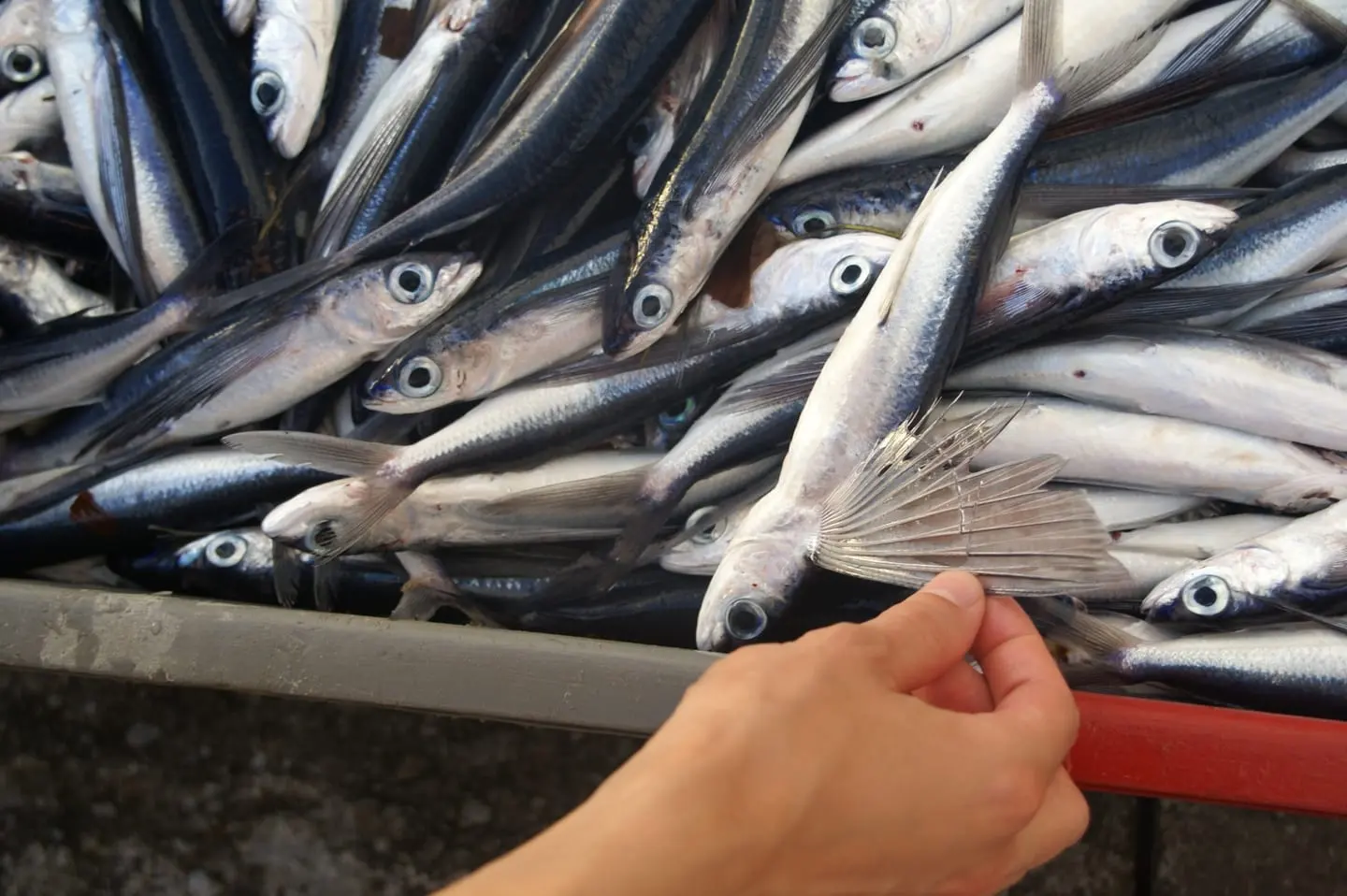
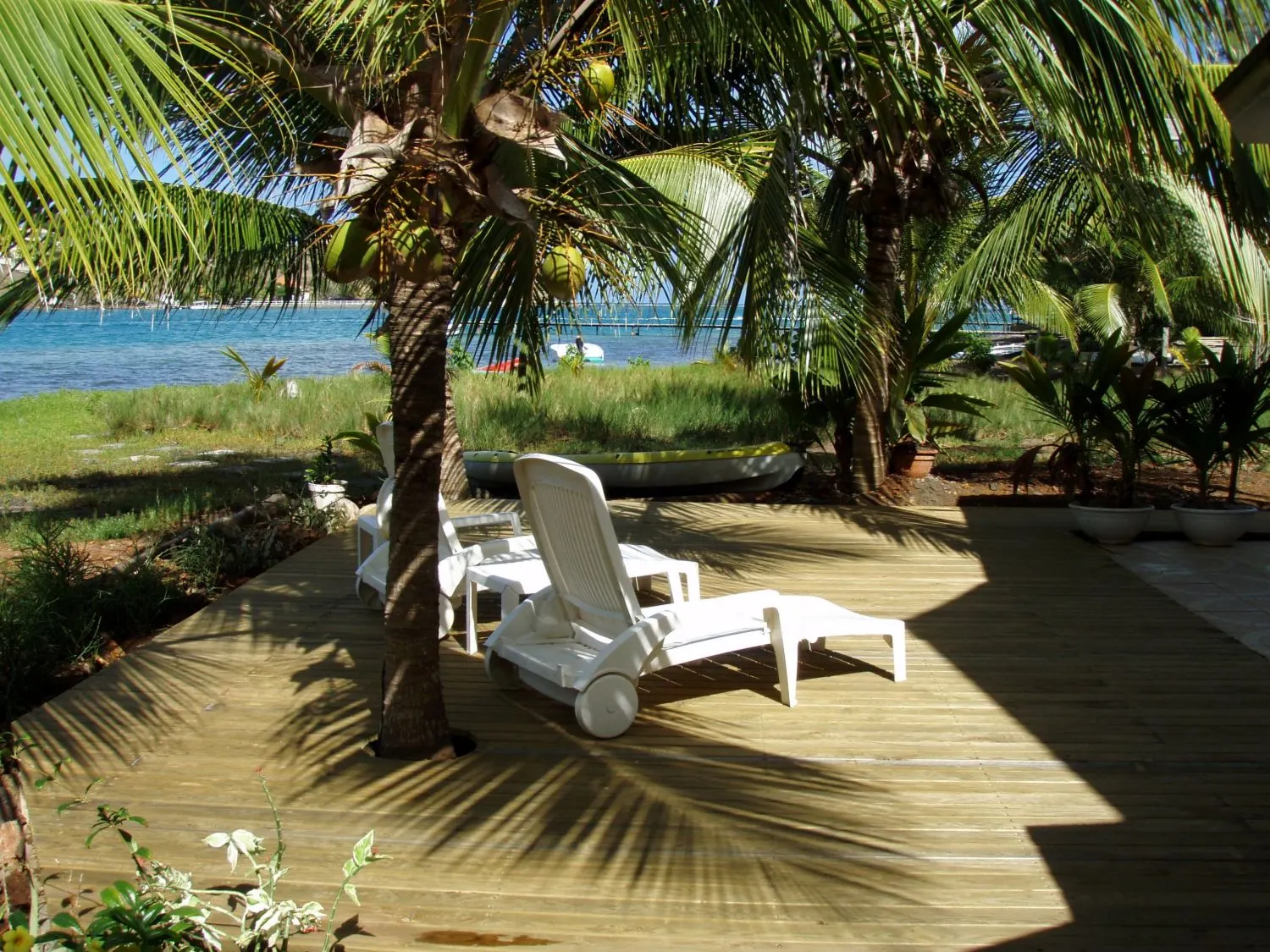
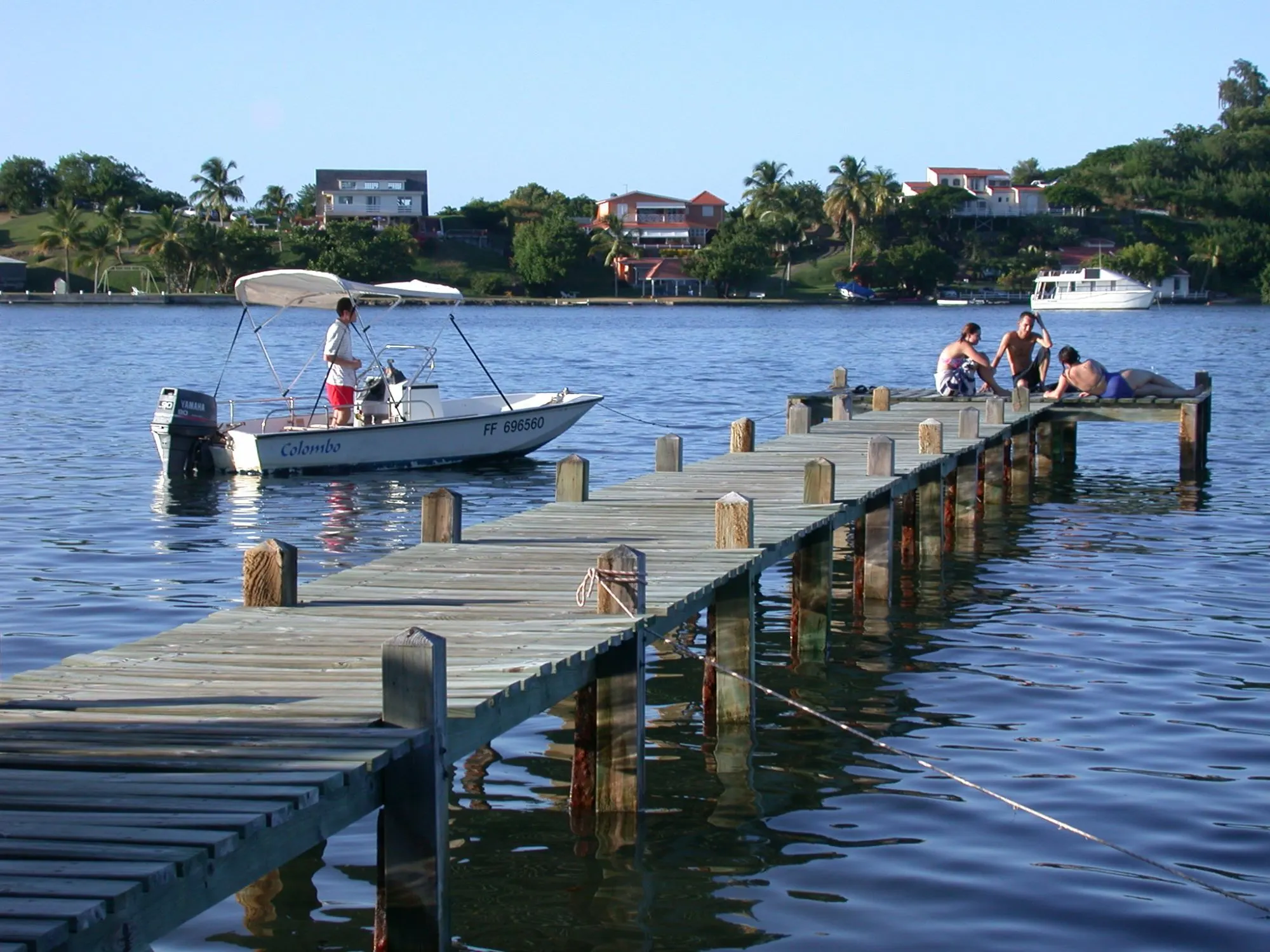
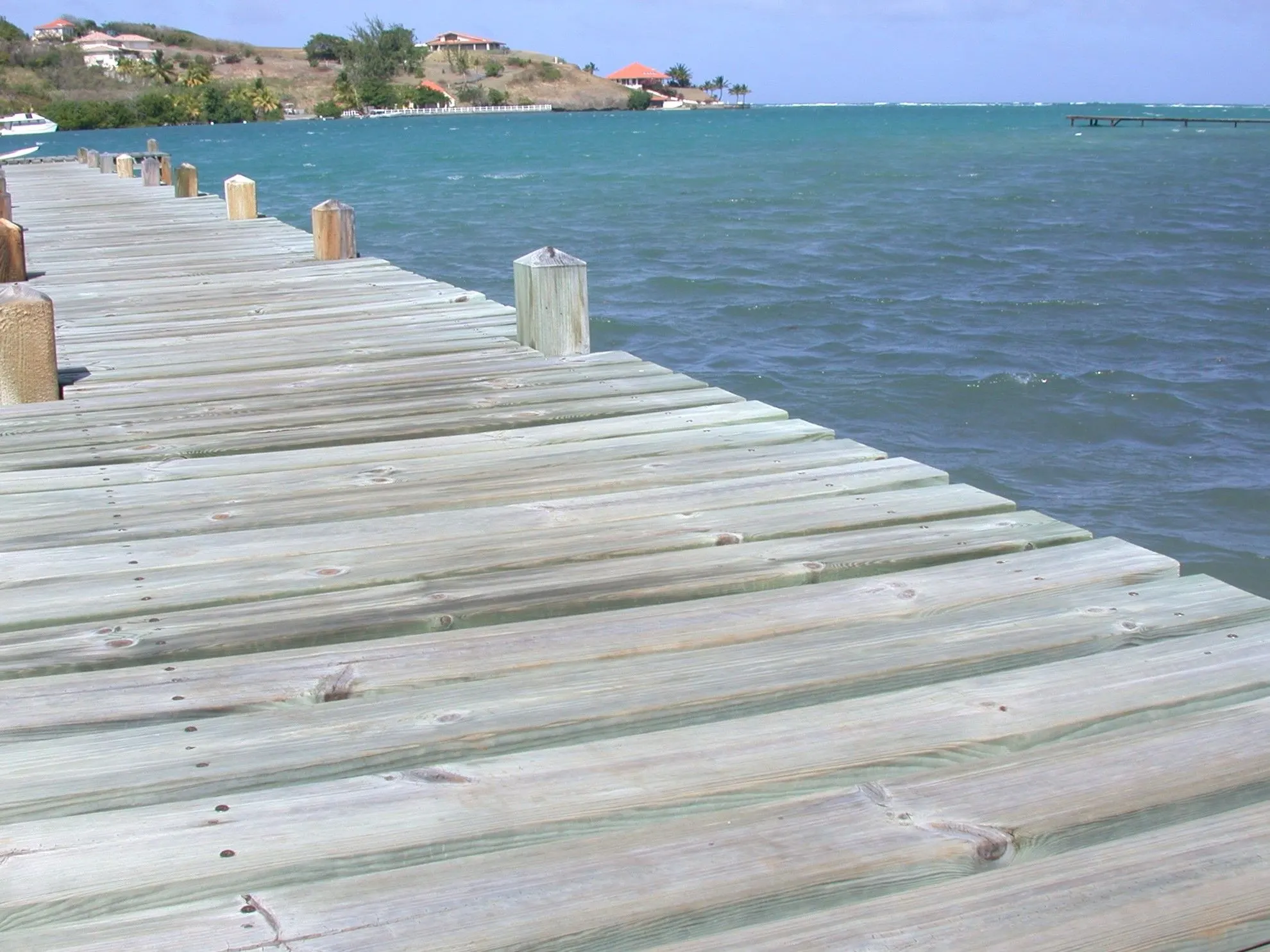
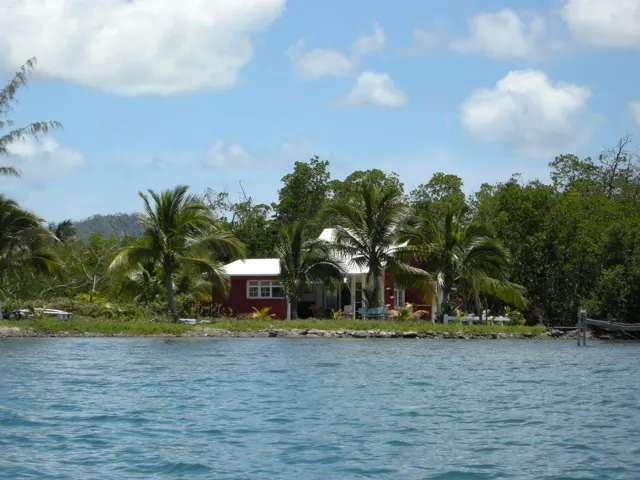
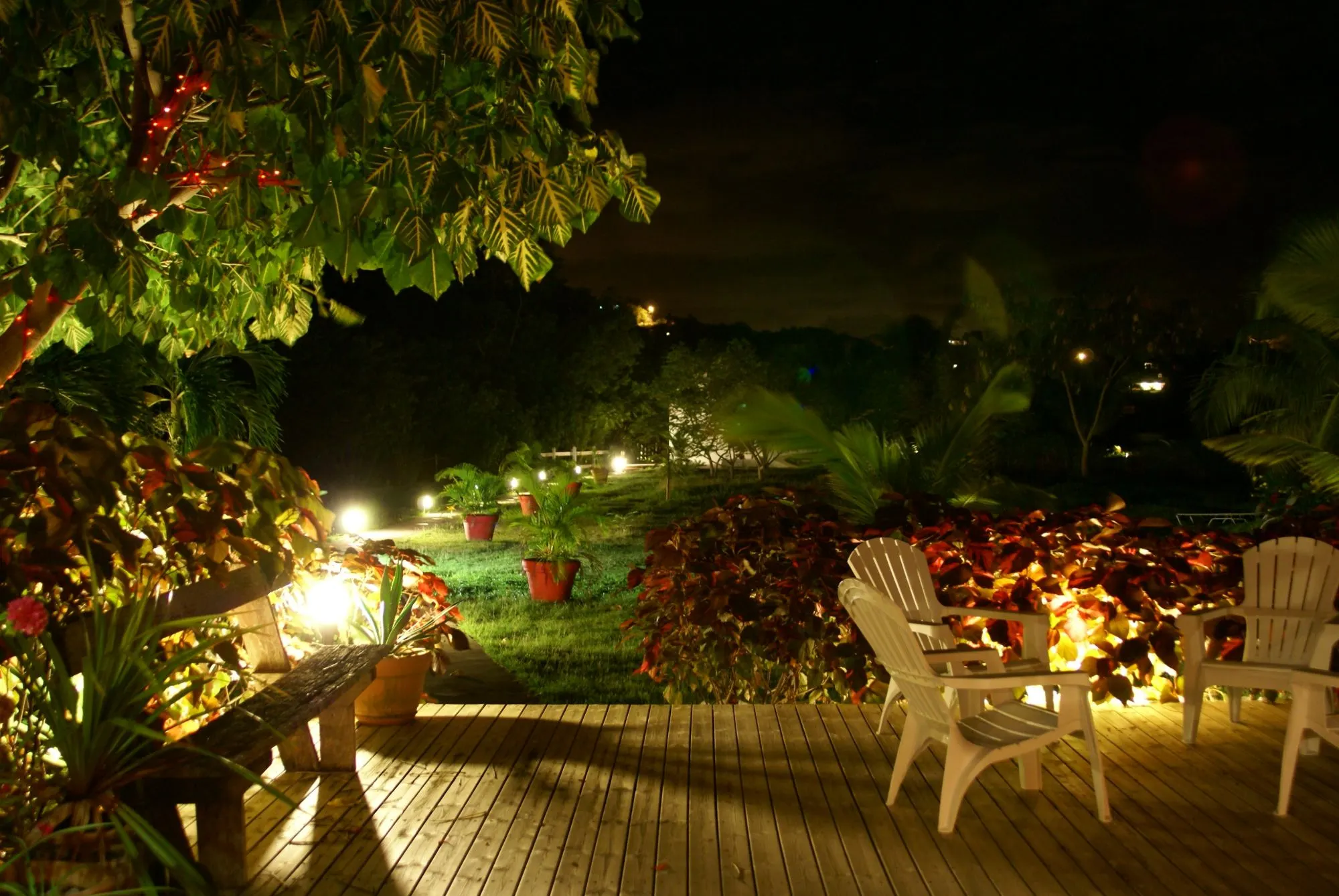
Martinique, photograph taken during the artist residencies.
25 artists, one island, fifteen years
In 1999, the Japanese photographer Noritoshi Hirakawa inaugurated Les Résidences Informelles. Invited to Martinique, Hirakawa was hosted at the family home of Frédéric Guilbaud in Saint-Joseph, in the heart of the island.
Looking after the artist, organising the daily schedule and helping to find the models for the photographs and the actors for the video “Le va-et-vient” gave Frédéric a taste for such encounters. It also made Frédéric realise that Martinique, his native island, is a territory of exceptional richness—in its history, landscapes, architecture and culture—and a singular source of inspiration for artists of the same generation.
Further residencies followed, with Erwin Wurm and Beat Streuli.
From 2003, Frédéric Guilbaud settled in Le Vauclin, at Pointe Chaudière, in the south of Martinique. In this “end of the world” setting, with the mangrove on one side and the Atlantic Ocean on the other, no fewer than 22 further artists would set foot on Caribbean soil and draw on it to create, in some cases, original work.
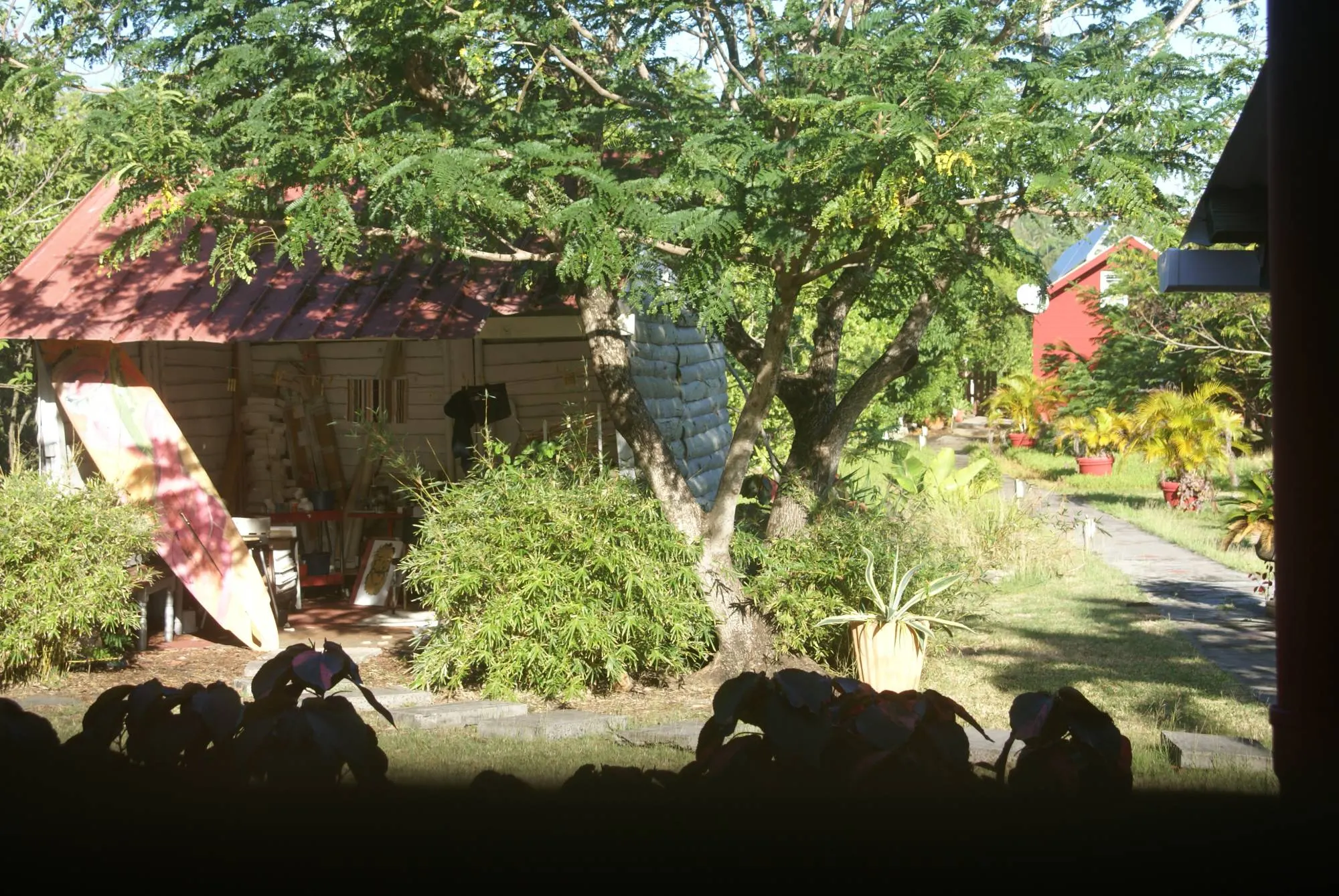
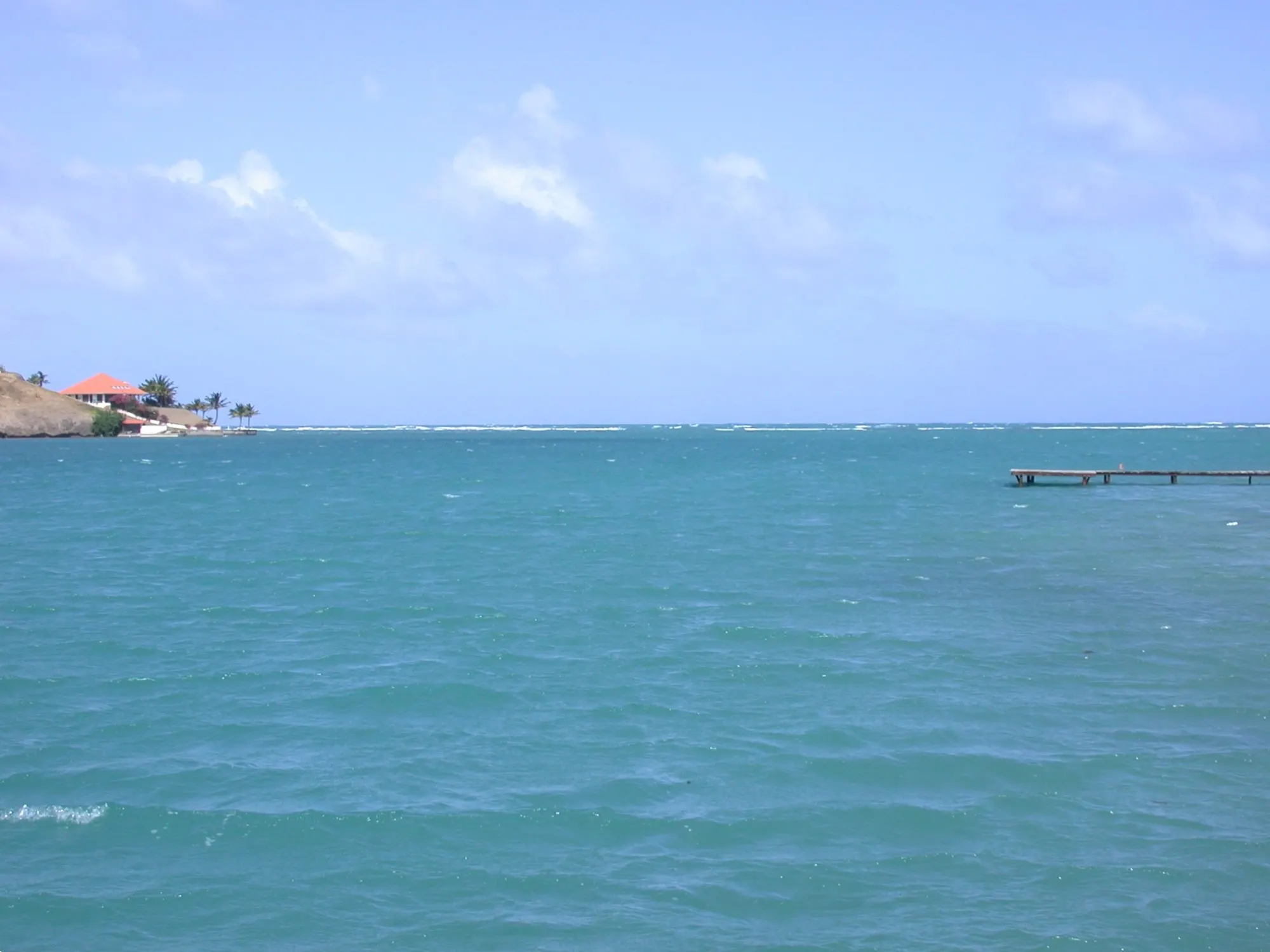
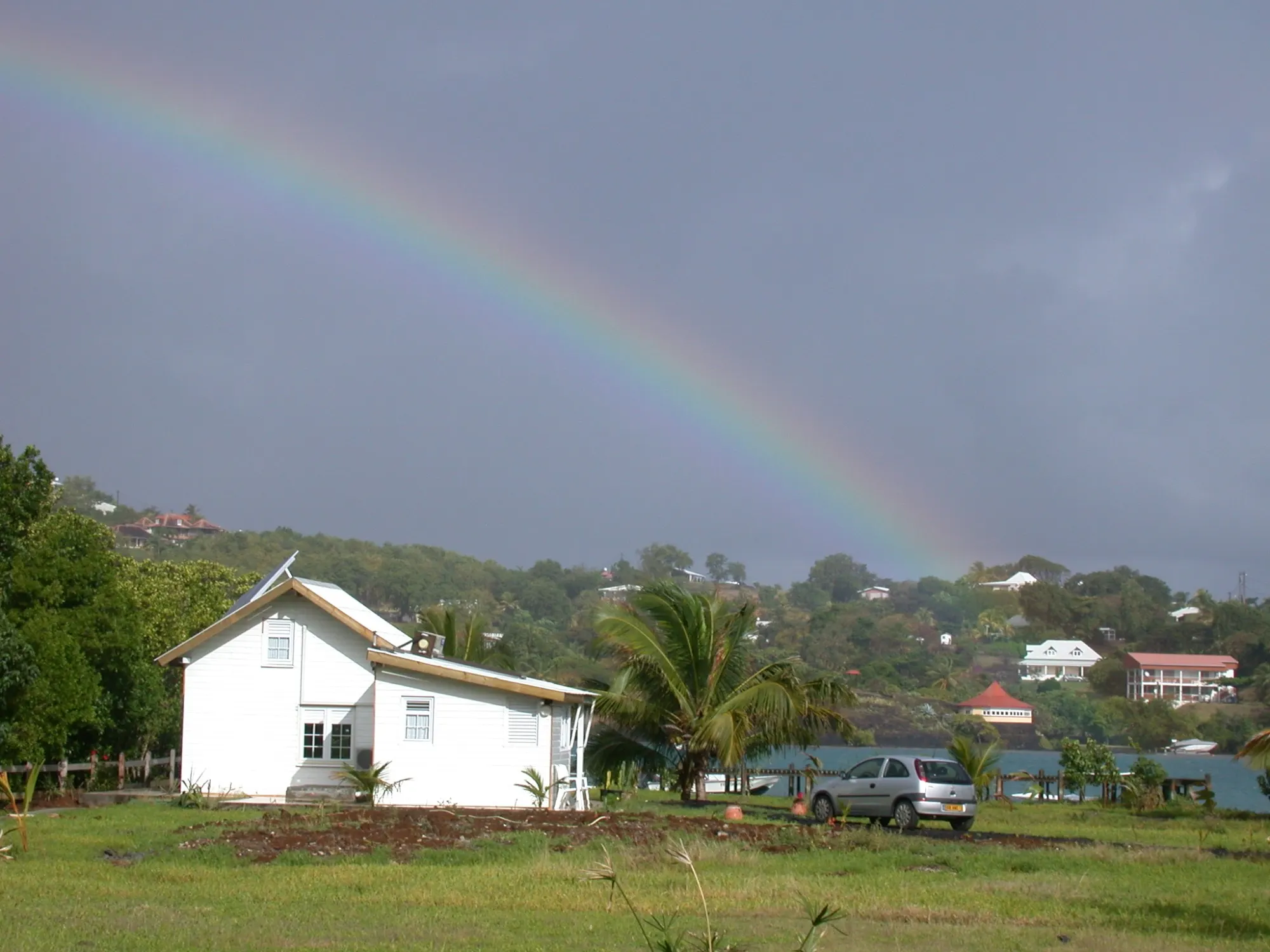
A singular territory
Due to its geographical location and insular identity, Martinique is a unique territory at the crossroads of European, American, African, and Caribbean influences. As a land of cultural blending and encounters, it offered guest artists an exceptional setting for observation, research, and creation.
The island’s chromatic richness strikes the artists. The diversity of its landscapes, the richness of local craftsmanship, and the history of the island and its people are all starting points for the creation of original works. Accompanying the artists around the island, Frédéric photographs them and also comes to appreciate the richness of Martinique’s landscapes. Frédéric’s photographs speak for themselves.
The time of the residency
Each residency lasted between one and five weeks, during which the artists were invited to conceive an original work, or to continue a previously defined project, in relation to this new island territory. Landscapes, architecture, memory, history, the natural environment, cultural practices and human encounters became sources of inspiration for artists with highly diverse practices: painters, draughtspeople, sculptors, photographers and video artists.
Works, a perspective on Martinique
Over the years, these residencies have given rise to a unique body of contemporary work, reflecting the richness of the perspectives brought to bear on Martinique—often far removed from conventional representations or exotic clichés.
Some of the works were presented to the public in Martinique, notably at the gallery 14n61w in Fort-de-France in June 2013. Rafal Bujnowski’s bust of Cyparis, for its part, was exhibited in Saint-Pierre in 2010.
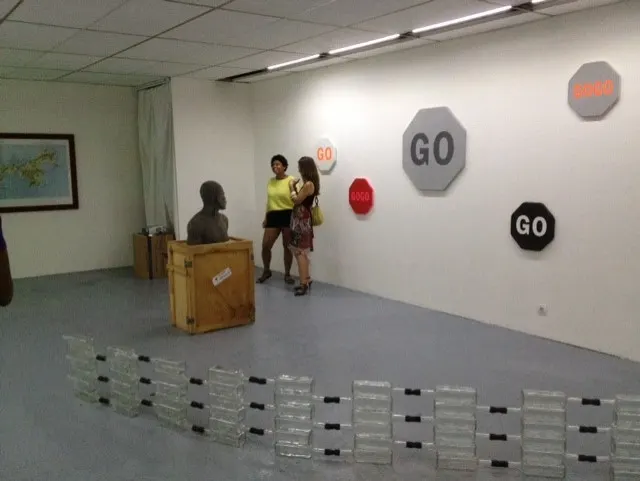
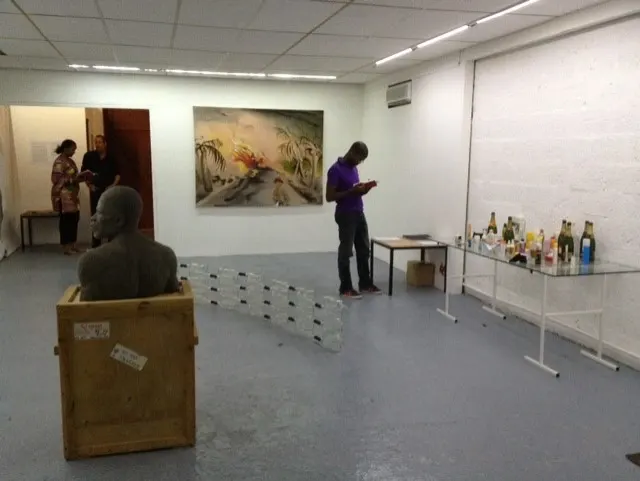
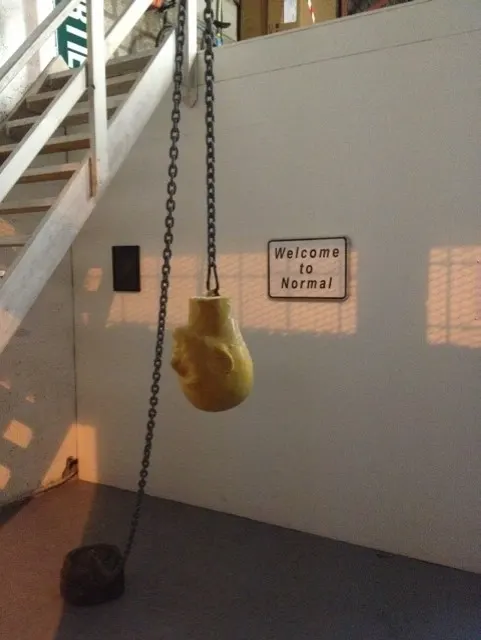
Some works have also been shown internationally: Beat Streuli’s photographs in Cologne (Germany), Sophie von Hellermann’s paintings in Basel (Switzerland), Michel Blazy’s video “The Party” in Paris, the bust of Cyparis in Iceland…
All of these works have helped to raise the profile of Martinique through the sensibility and imagination of artists from different backgrounds.
An independent framework
From 2003 onwards, the initiative was structured around A.M.A.C. — Association Martiniquaise pour l’Art Contemporain. As a result, some residencies received support from the Direction des Affaires culturelles de Martinique.
Frédéric Guilbaud is presented here as the project’s founder and host, as well as president of A.M.A.C. This role is read first through the choice of invited artists, the descriptive texts on each artist’s work and the photographic illustrations of each encounter.
An archive open for consultation
The purpose of this website is to preserve the memory of this artistic adventure undertaken between 1999 and 2014. It brings together the hosted artists, the projects realised, some of the works produced and the photographic traces of fifteen years of exchanges, encounters and discoveries of the Martinican land.
The programme is closed. This is neither an application platform nor a service offer: it preserves and makes intelligible a documented artistic history.