Rafał Bujnowski
Born in 1974 in Wadowice, Poland, lives and works in Warsaw, Poland.Represented in 2026 by Georg Kargl Fine Arts (Vienna).
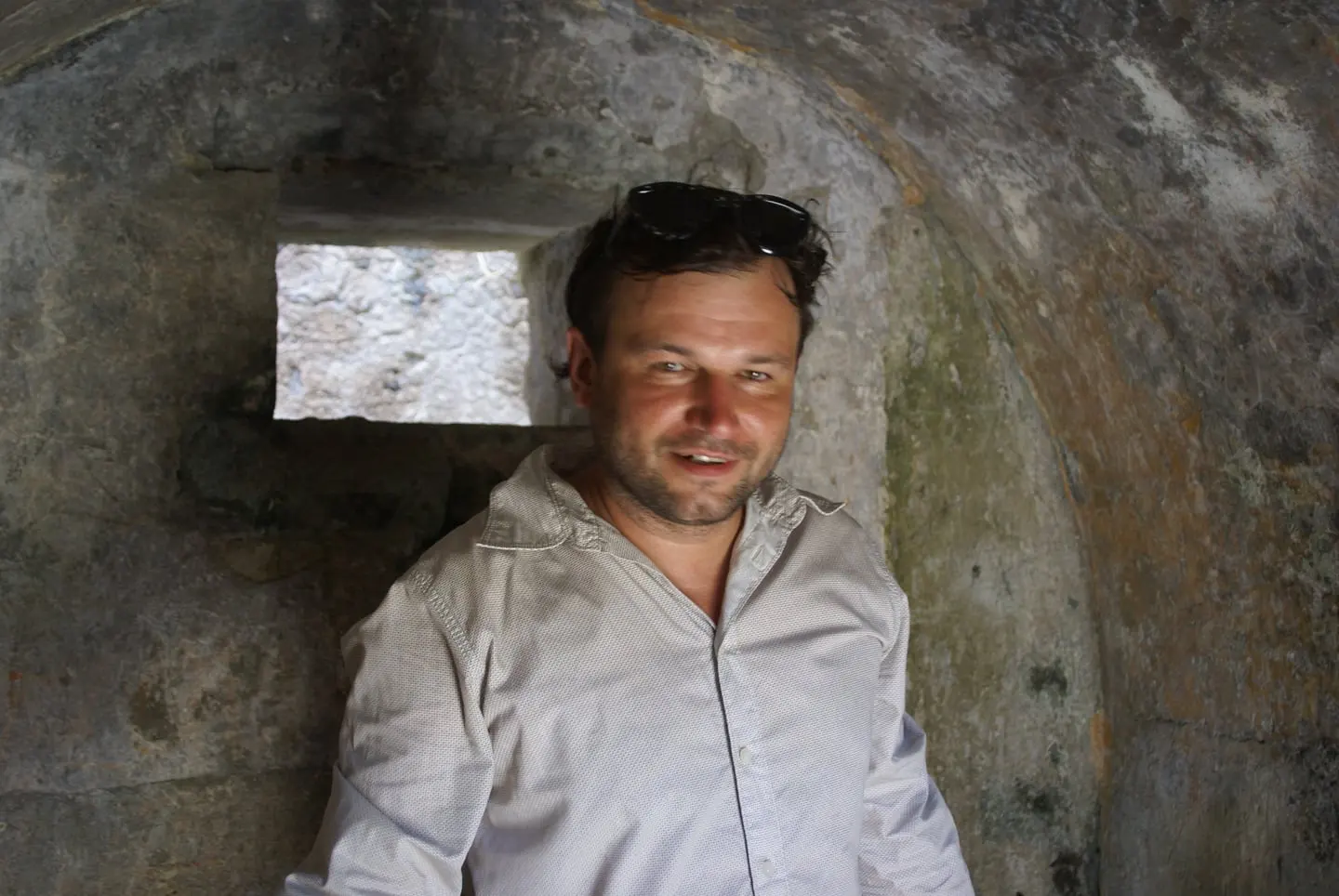
Residency context
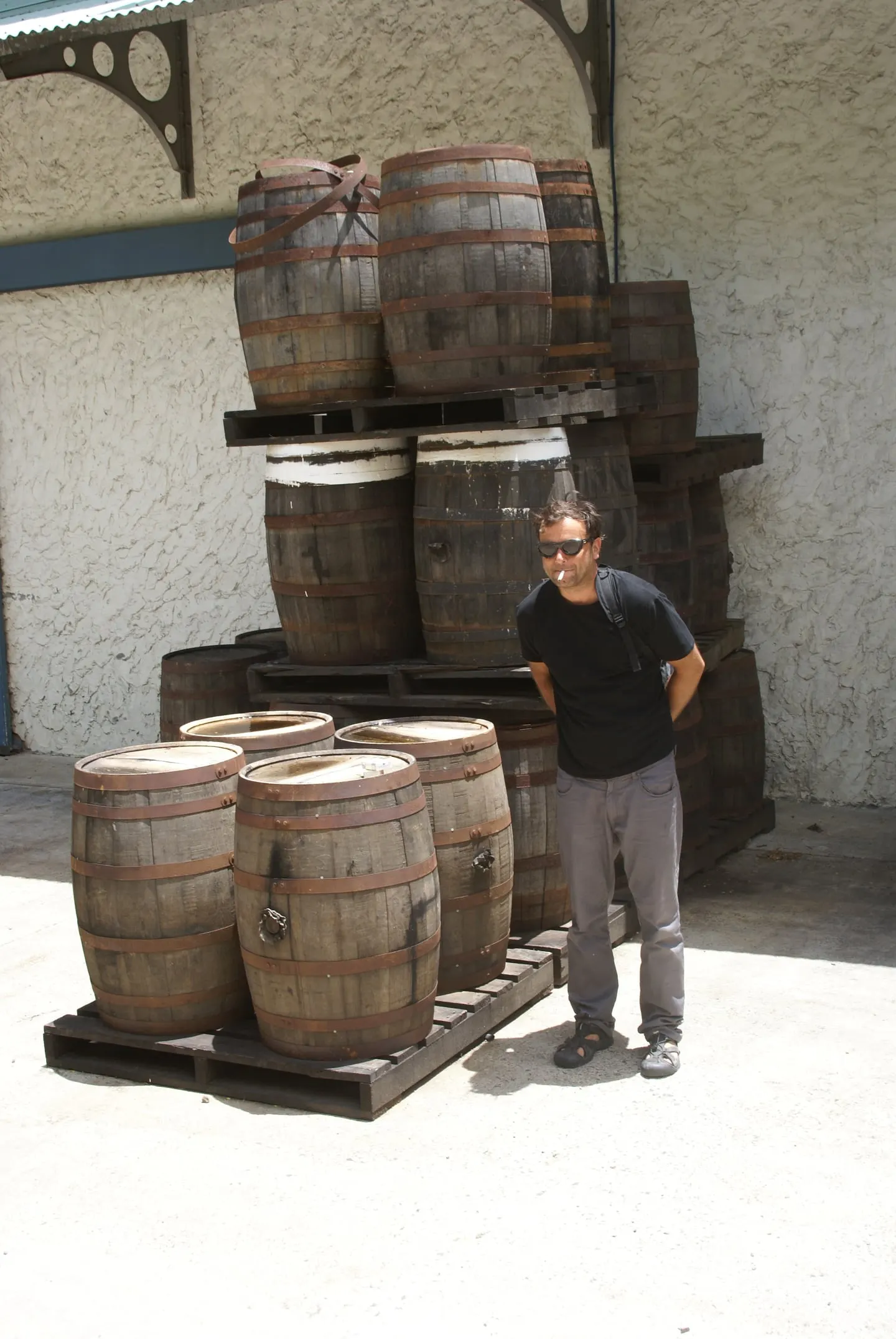
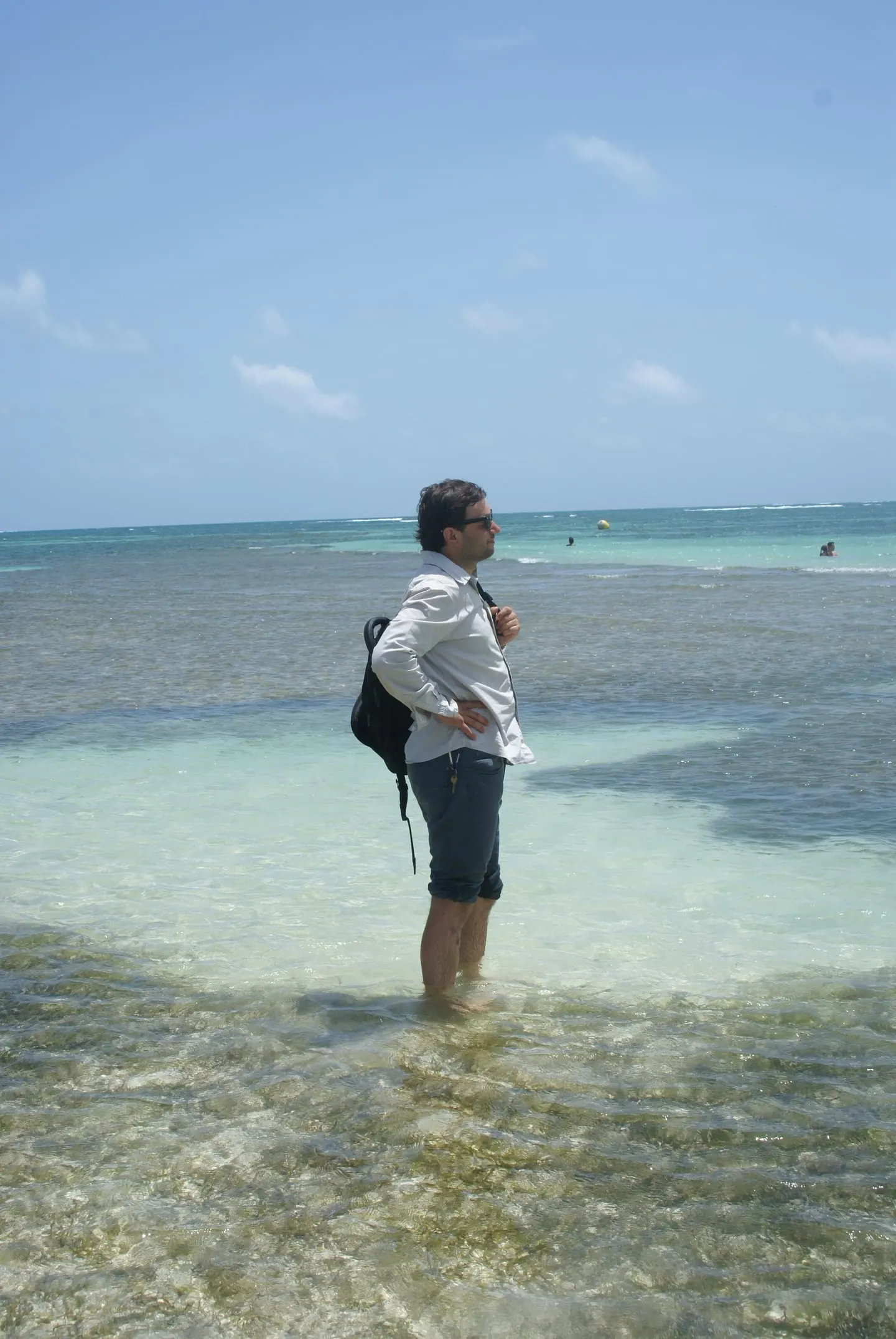
First visit to Martinique in August 2009.
Residency account
Rafał Bujnowski is one of the most influential Polish artists of his generation. Best known for his painting, he continually questions the possibilities of the medium by operating at the boundary between figuration and abstraction. He plays with artistic conventions, often pushing mimesis to the point of absurdity. One striking example is the photographic reproduction of a black-and-white painted self-portrait, which was accepted by the United States Embassy as an official passport photograph.
Some of his paintings depict simplified images of everyday objects—a brick or a VHS cassette, for example—painted at a 1:1 scale and subsequently sold for the market value of the objects they represent. Others are meticulous reproductions of mundane details, such as the stain left by a coffee cup. Executed with almost surgical precision, these paintings push representation to the point where it becomes abstraction. Bujnowski is fascinated by the workings of the human brain, which instinctively seeks to recognize familiar forms within abstract marks.
Although his work is rooted in a profound reflection on painting itself, it is never devoid of sociological concerns regarding the role of the artist and the ways in which art is perceived and received. With characteristic humour, he blurs the distinction between artist and artisan, proposing, for example, a six-step tutorial for painting a portrait of Pope John Paul II. His series of nearly identical paintings similarly challenge the notion of the unique artwork, even offering decorative painting “packs” designed to furnish every room in a house.
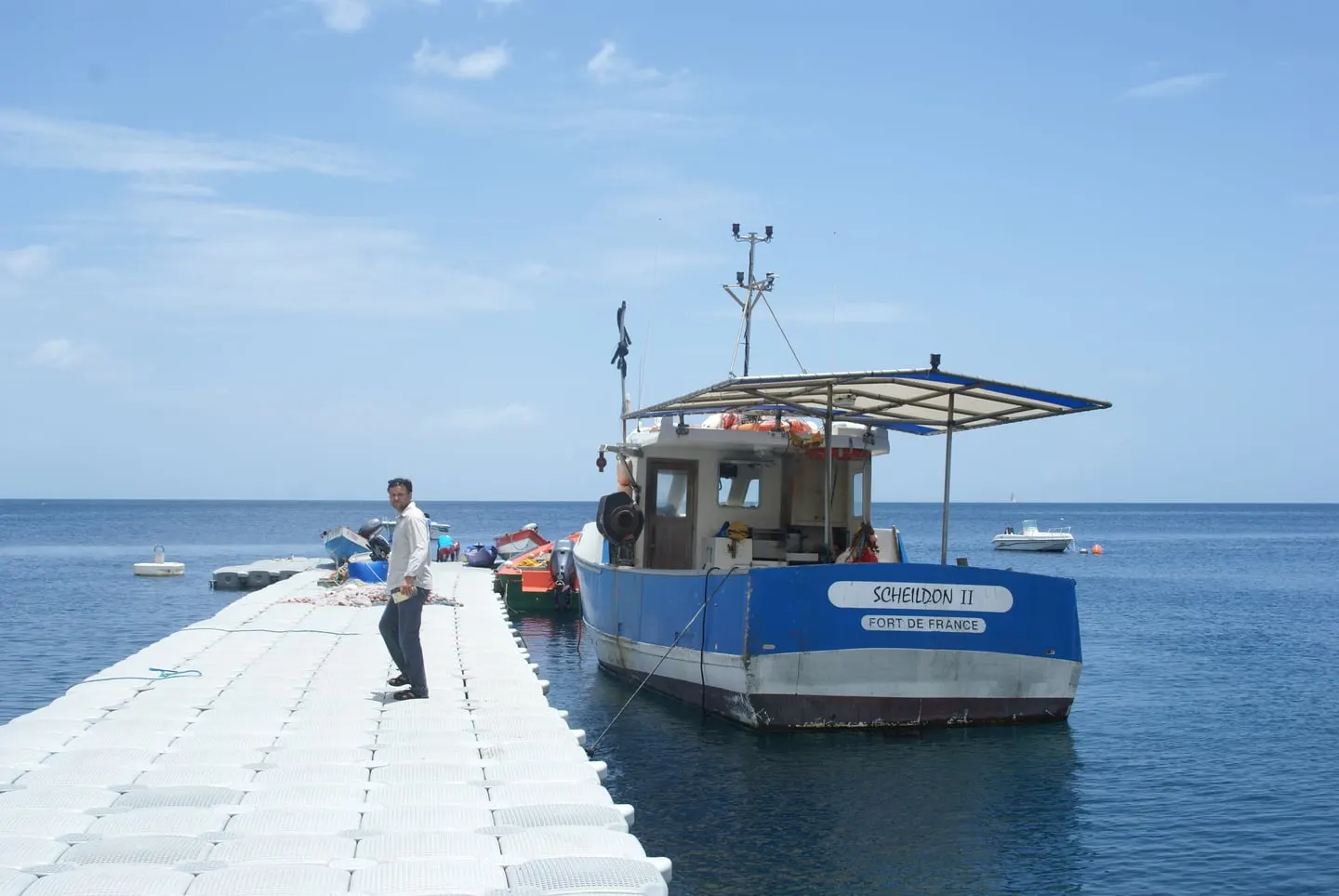
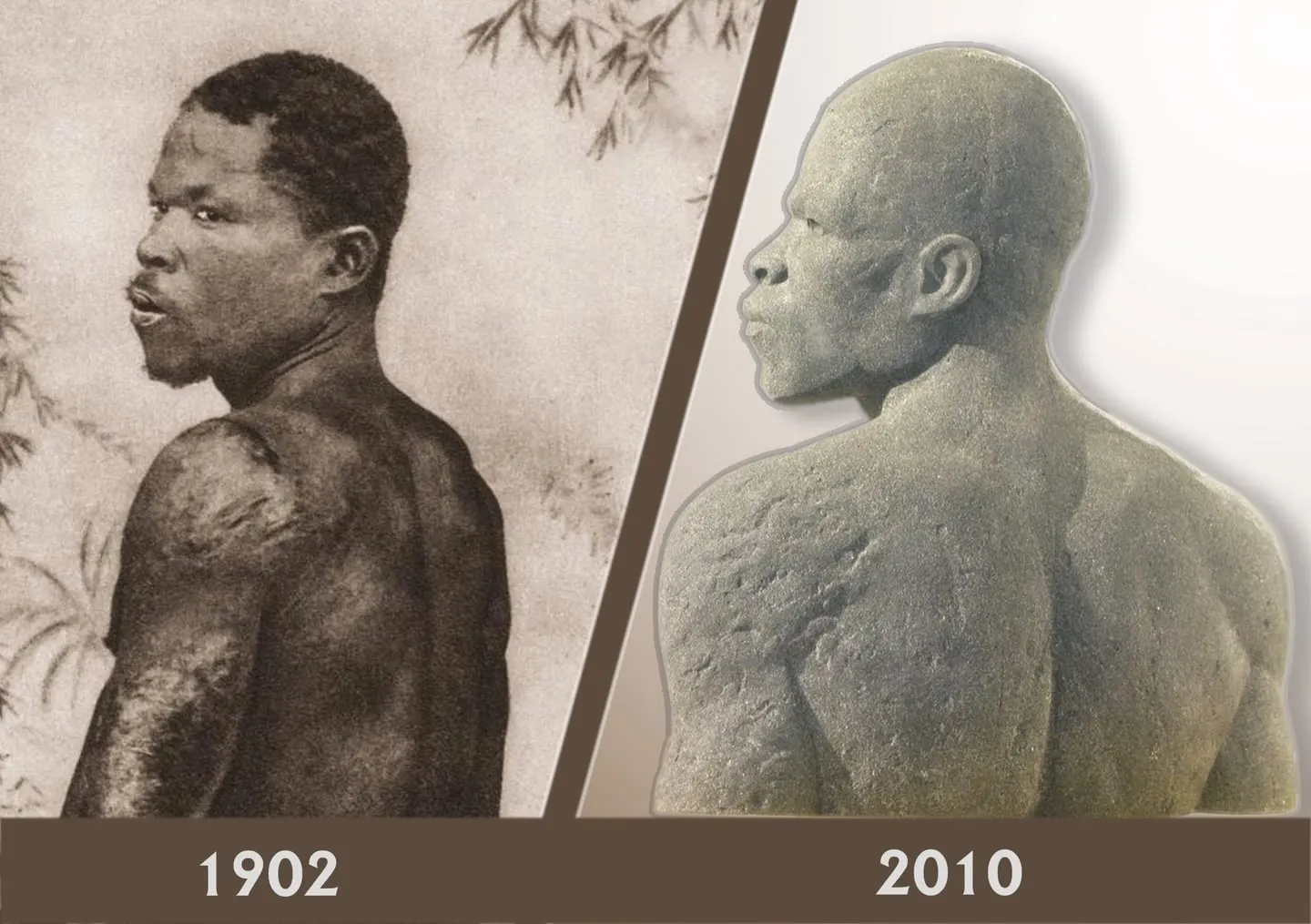
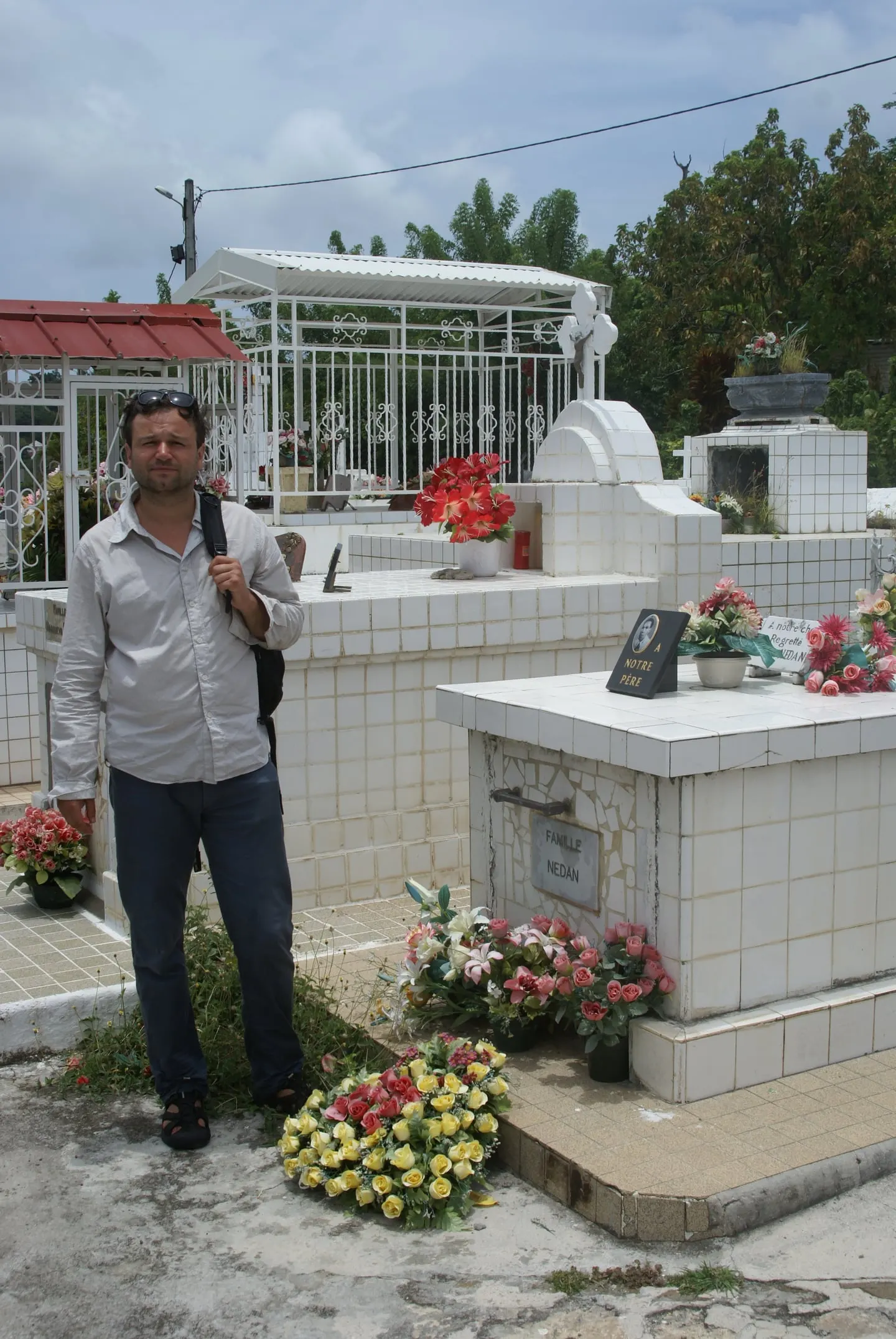
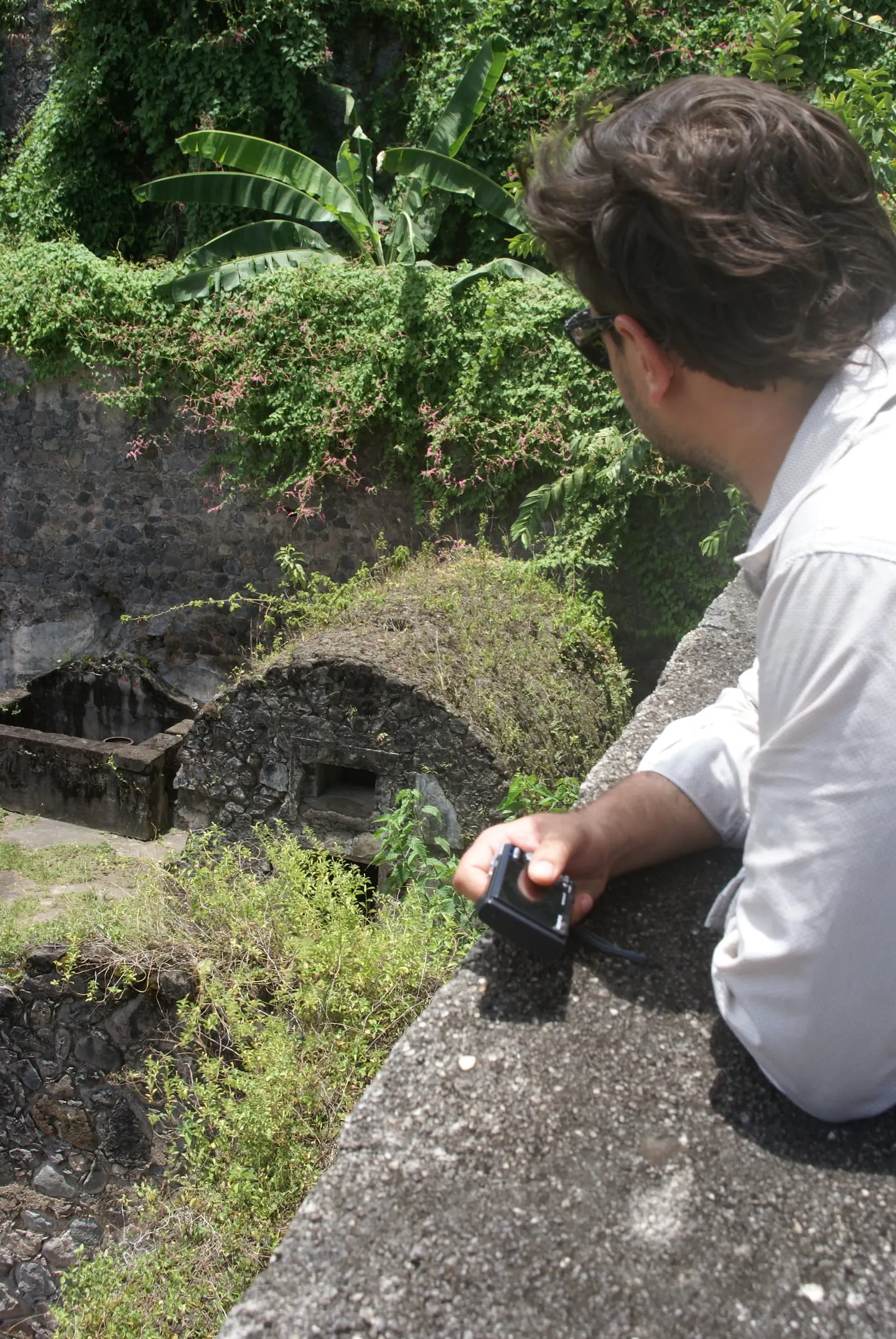
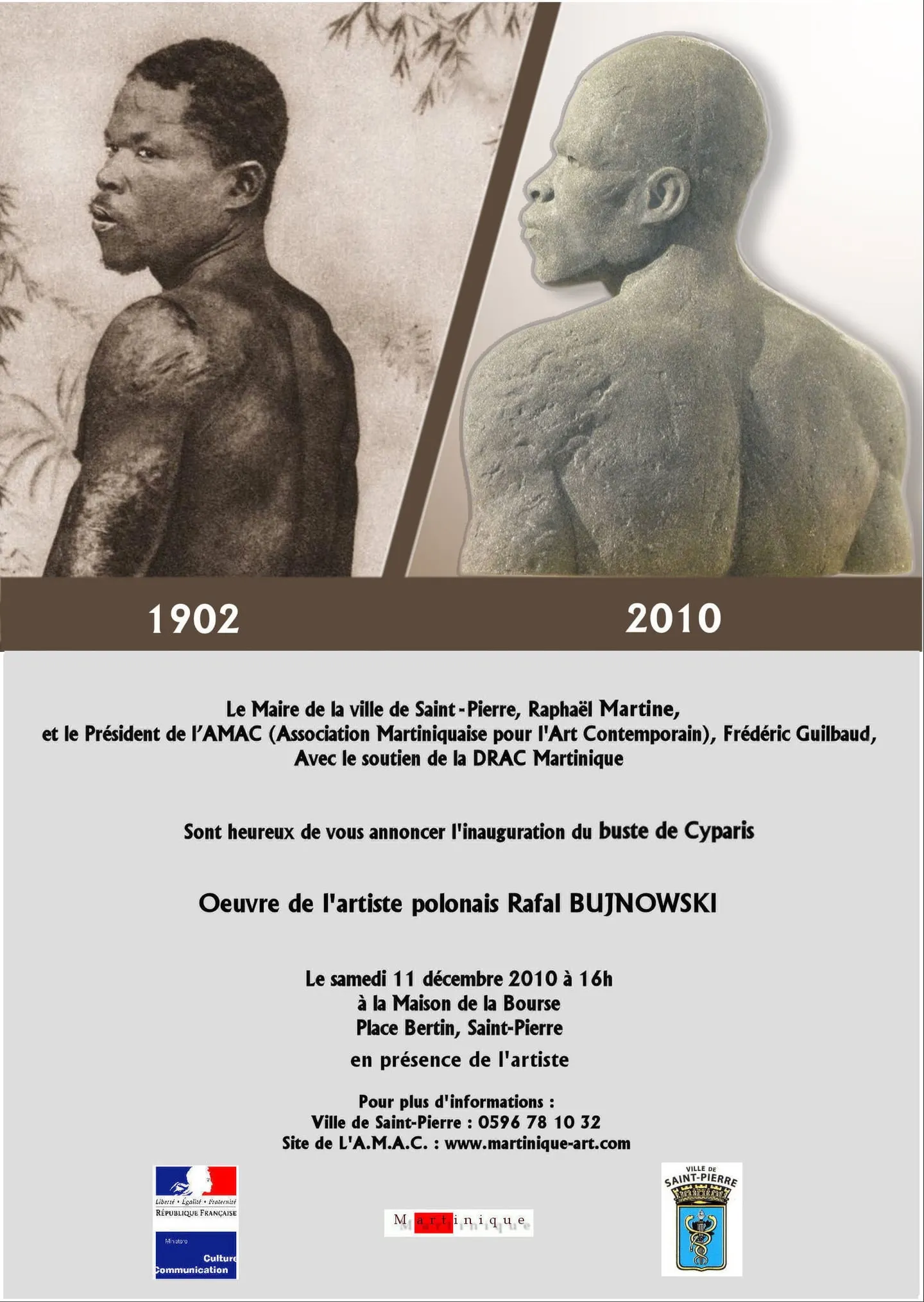
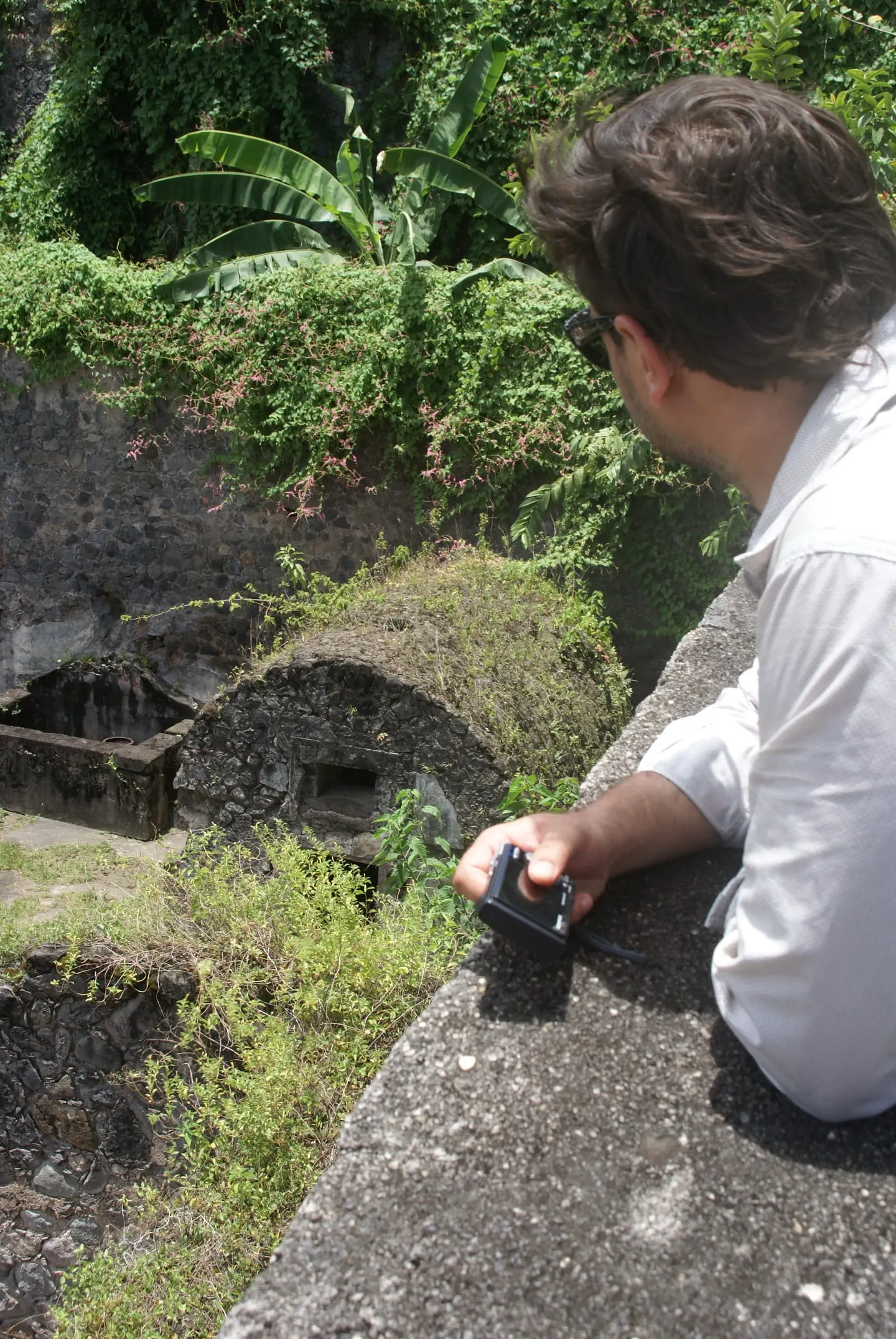
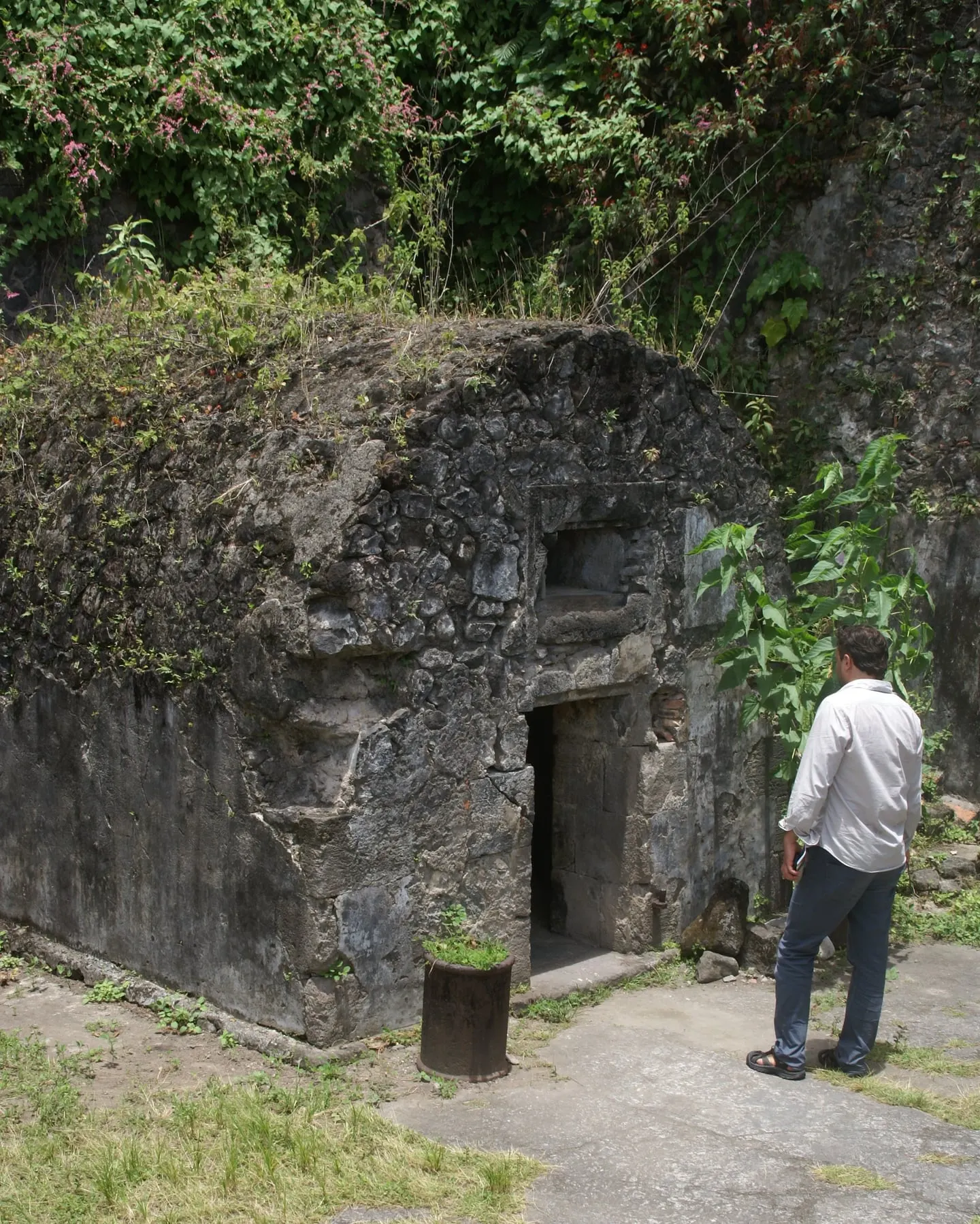
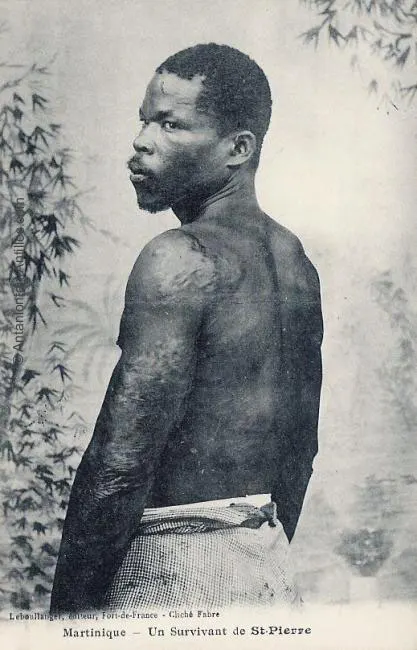
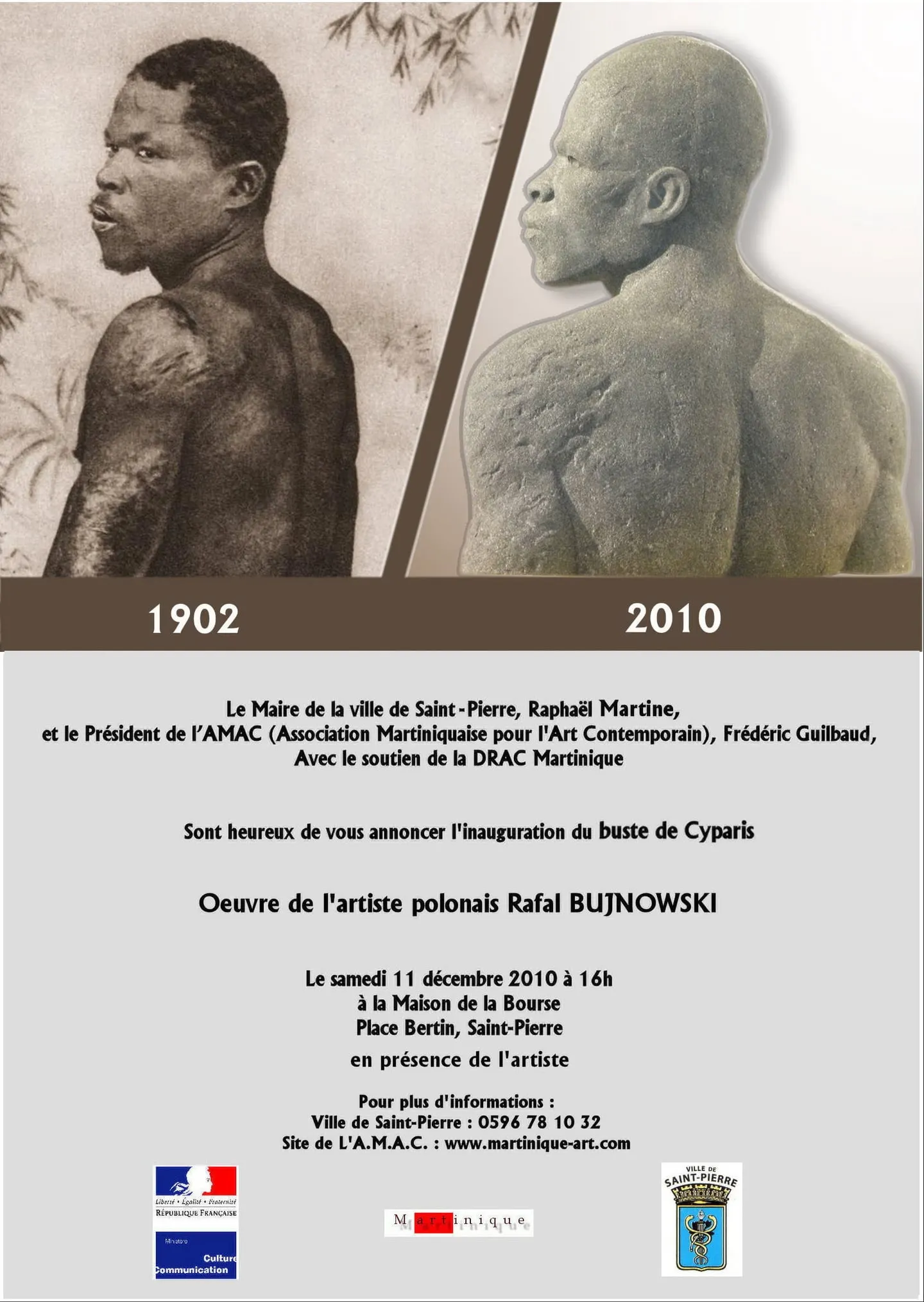
During his first visit to Martinique, in August 2009, Rafał Bujnowski did not undertake a specific artistic project, preferring instead to discover the island and explore its history. However, while visiting Saint-Pierre, he was deeply moved by the story of the sole survivor of the 1902 eruption. Cyparis—the prisoner who survived the eruption of Mount Pelée while confined to his cell in the Saint-Pierre prison—struck him as an extraordinarily compelling figure. Bujnowski was surprised to find that such an exceptional destiny had left behind little more than a single photograph. In his view, Cyparis deserved to become a symbol of the town, a unifying figure for its inhabitants.
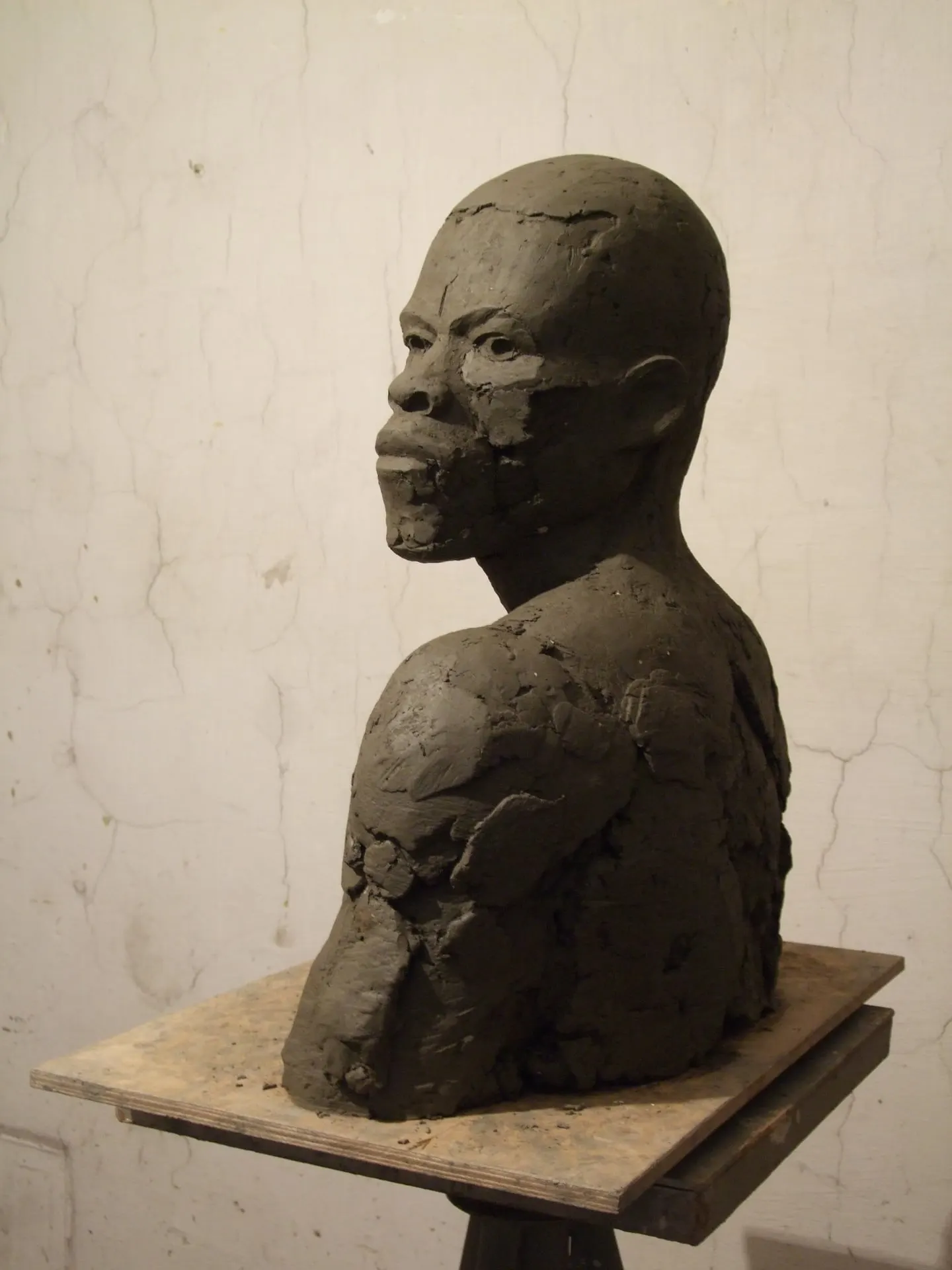
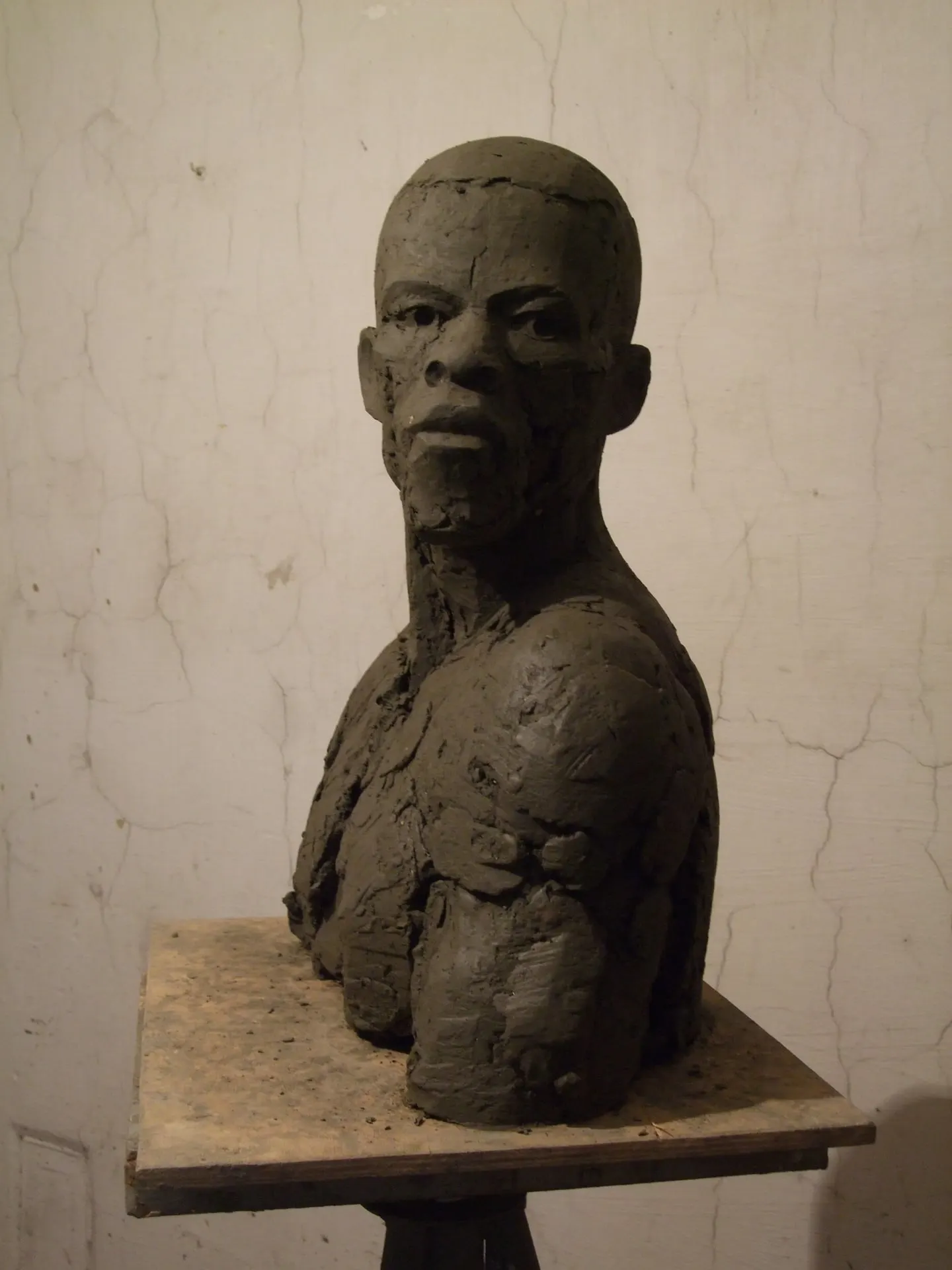
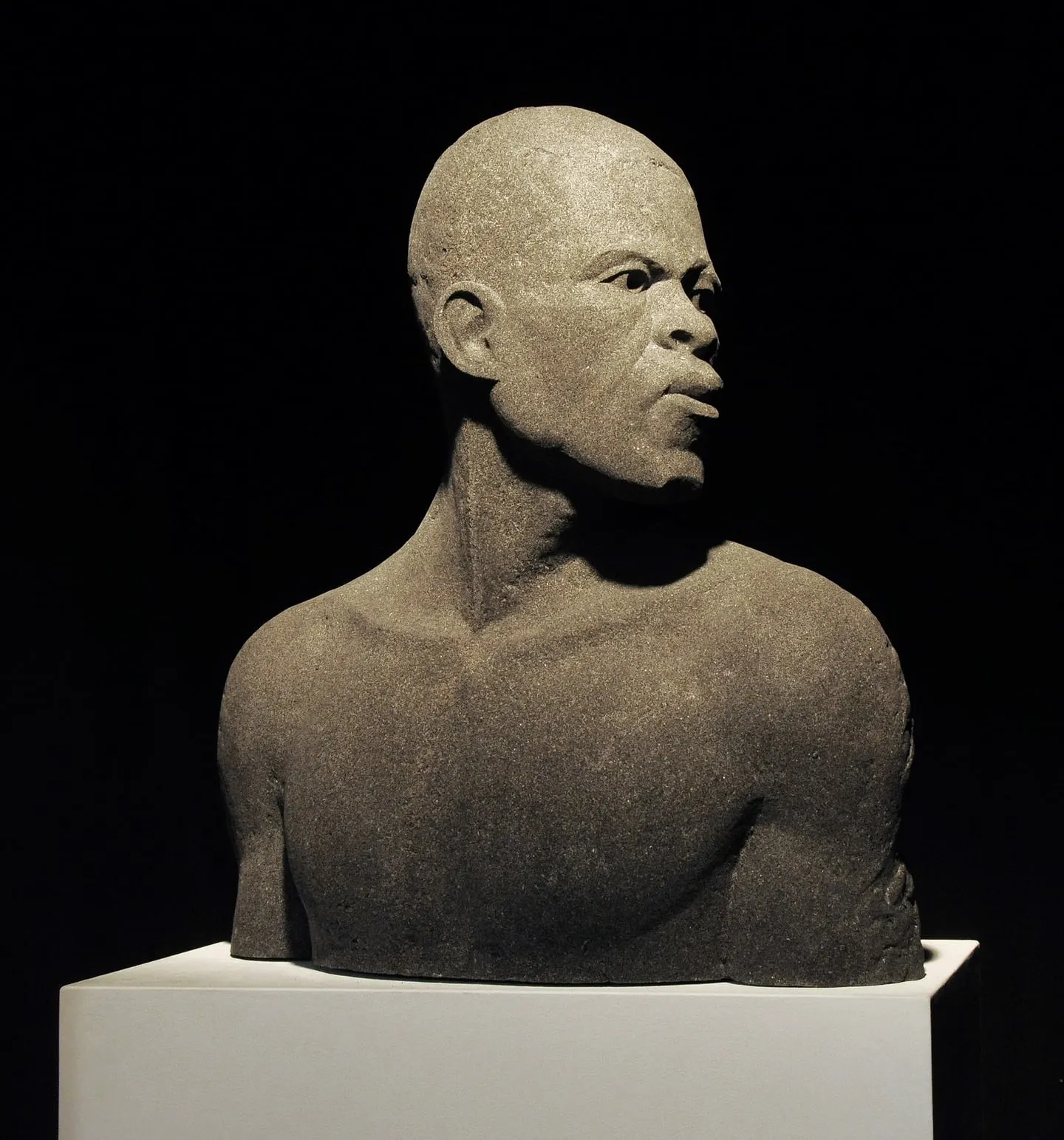
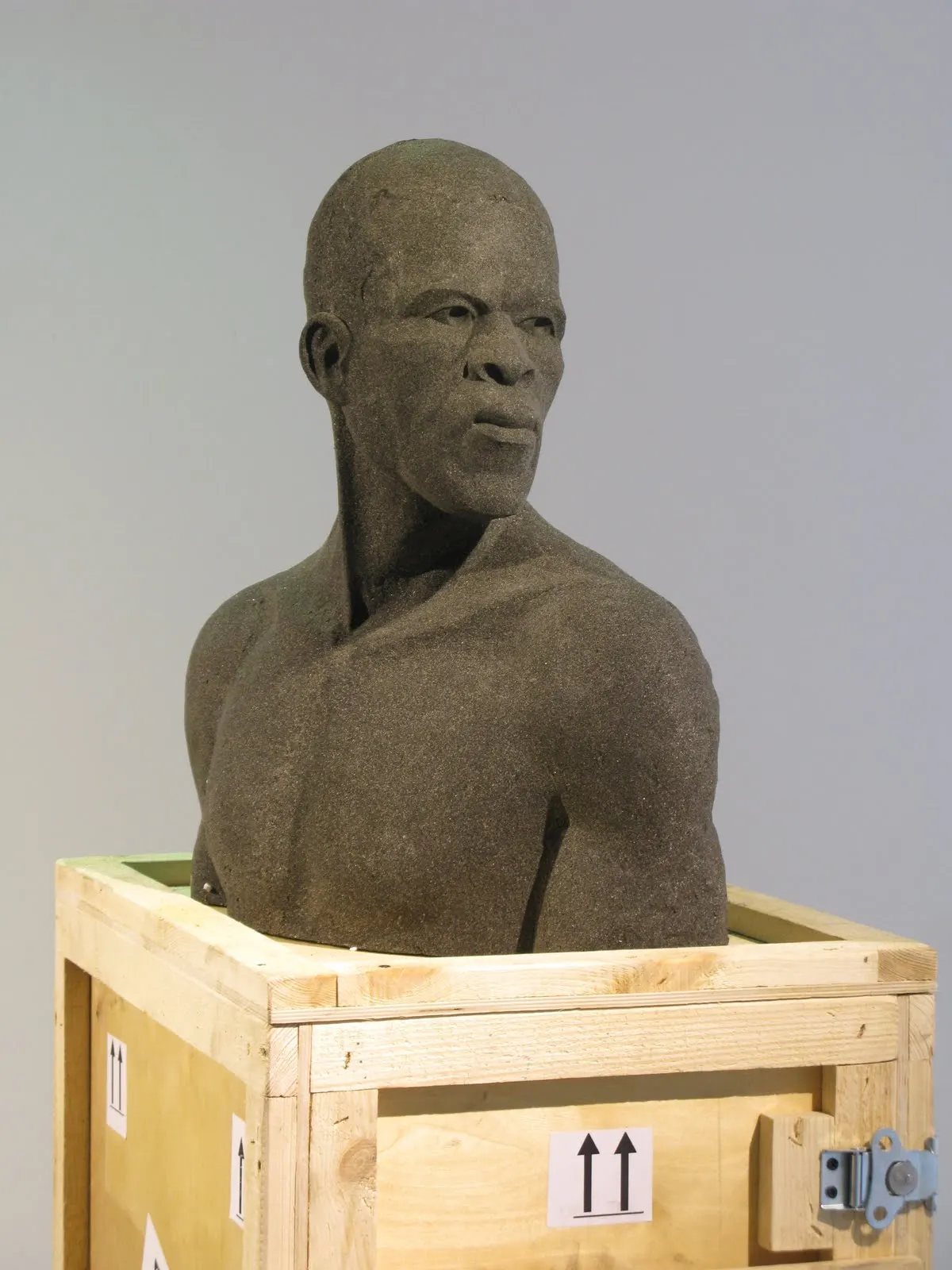
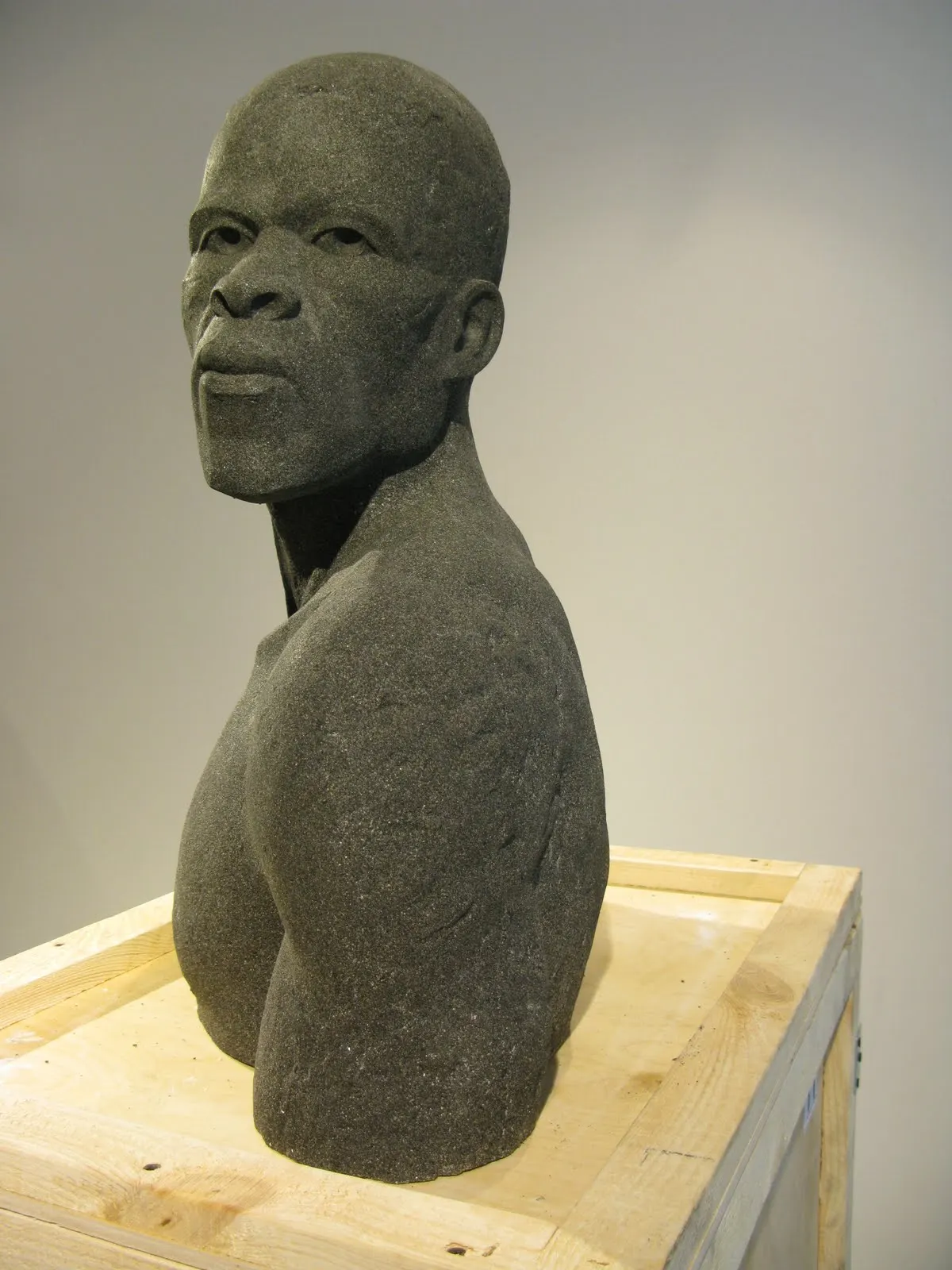
The story of Cyparis continued to haunt the artist after his return to Kraków, a city whose own emblem, the statue of the mythical dragon, breathes fire every hour for the delight of tourists. Yet it would not be through painting that Bujnowski chose to interpret the paradoxical story of this reluctant hero. Instead, he approached the project as a conceptual artist, collaborating with sculptor Julian Tomaszuk. Drawing upon the historic photograph preserved at the Saint-Pierre Museum, the two artists created a three-dimensional model of Cyparis.
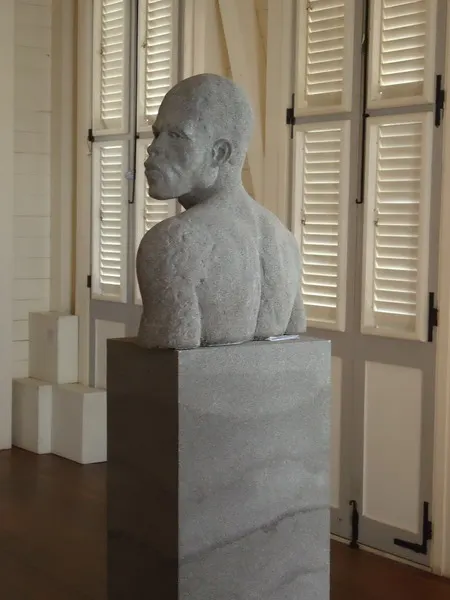
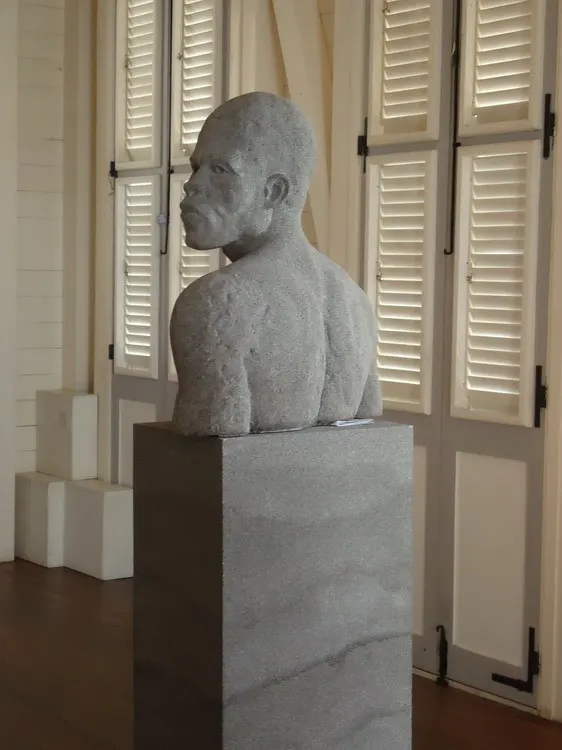
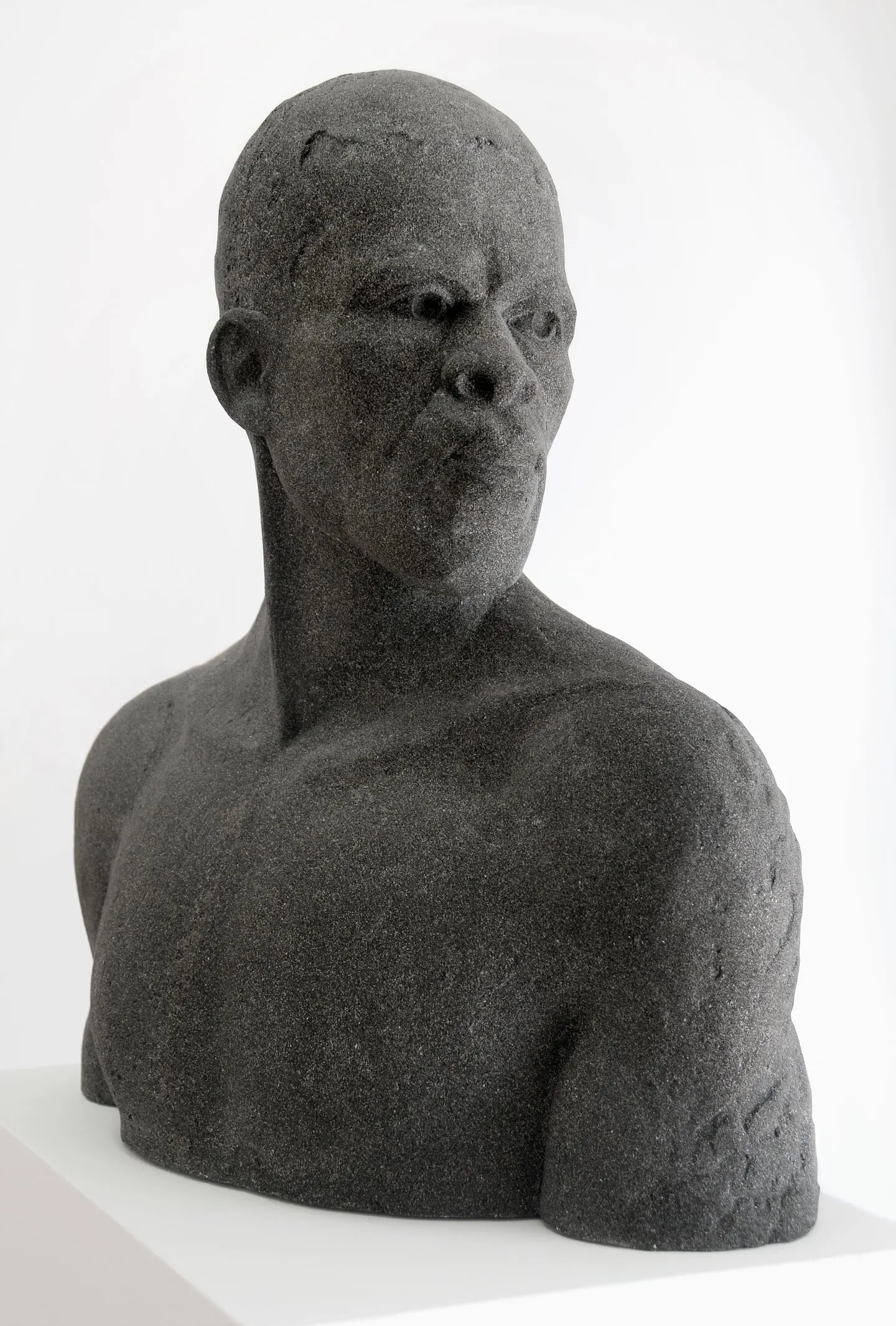
The resulting bust, classical in appearance, was made from a material that was both unexpected and deeply symbolic: volcanic sand collected from the beach located only a few steps from Cyparis’s former prison cell and transported to Poland, much to the astonishment of customs officials. Both the material and the pose are deliberately deceptive. The successive layers of volcanic sand give the sculpture the appearance of marble, while the tilt of the head lends the prisoner an unexpectedly noble and dignified presence.
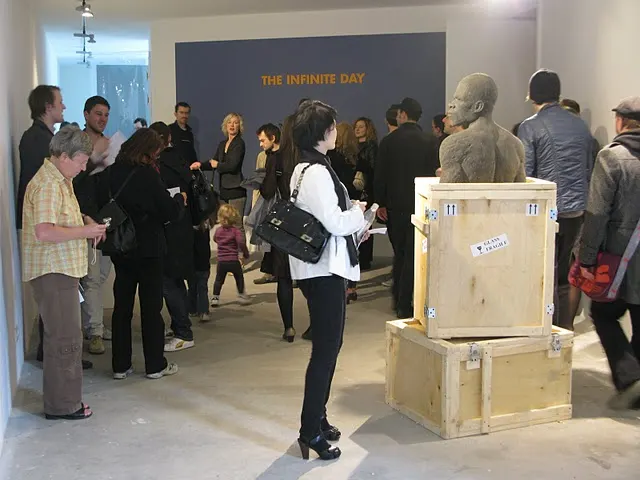
Cyparis’s bust was subsequently presented at several exhibitions and art fairs throughout Europe, including in Reykjavík, Iceland, shortly after the eruption of the Eyjafjallajökull volcano, which had brought European air traffic to a standstill. The work aroused considerable curiosity among visitors, many of whom were eager to discover the story of Saint-Pierre.
For Bujnowski, the project reached its true completion only with the return of the bust to Martinique and its official unveiling at the Maison de la Bourse in Saint-Pierre on 11 December 2010.
Documentary gallery
Creations
Rights
Publication rights for the photographs confirmed by Frédéric Guilbaud on 5 August 2026.