Henrik Håkansson
Born in 1968 in Helsingborg, Sweden, lives and works in Berlin (Germany) and Falkenberg (Sweden).Represented in 2026 by Meyer Riegger (Berlin), Galleria Franco Noero (Turin) and The Modern Institute (Glasgow).
Residency context
Residency in January 2005.
Residency account
Henrik Håkansson is fascinated by the tropical rainforest, its flora, and its wildlife. This fascination has given rise to a multifaceted body of work ranging from hanging botanical sculptures to complex video and sound installations, alongside other media such as photography and painting. His works remain in constant dialogue with concepts of ecosystems, island biogeography, and strategies of “detournement.”
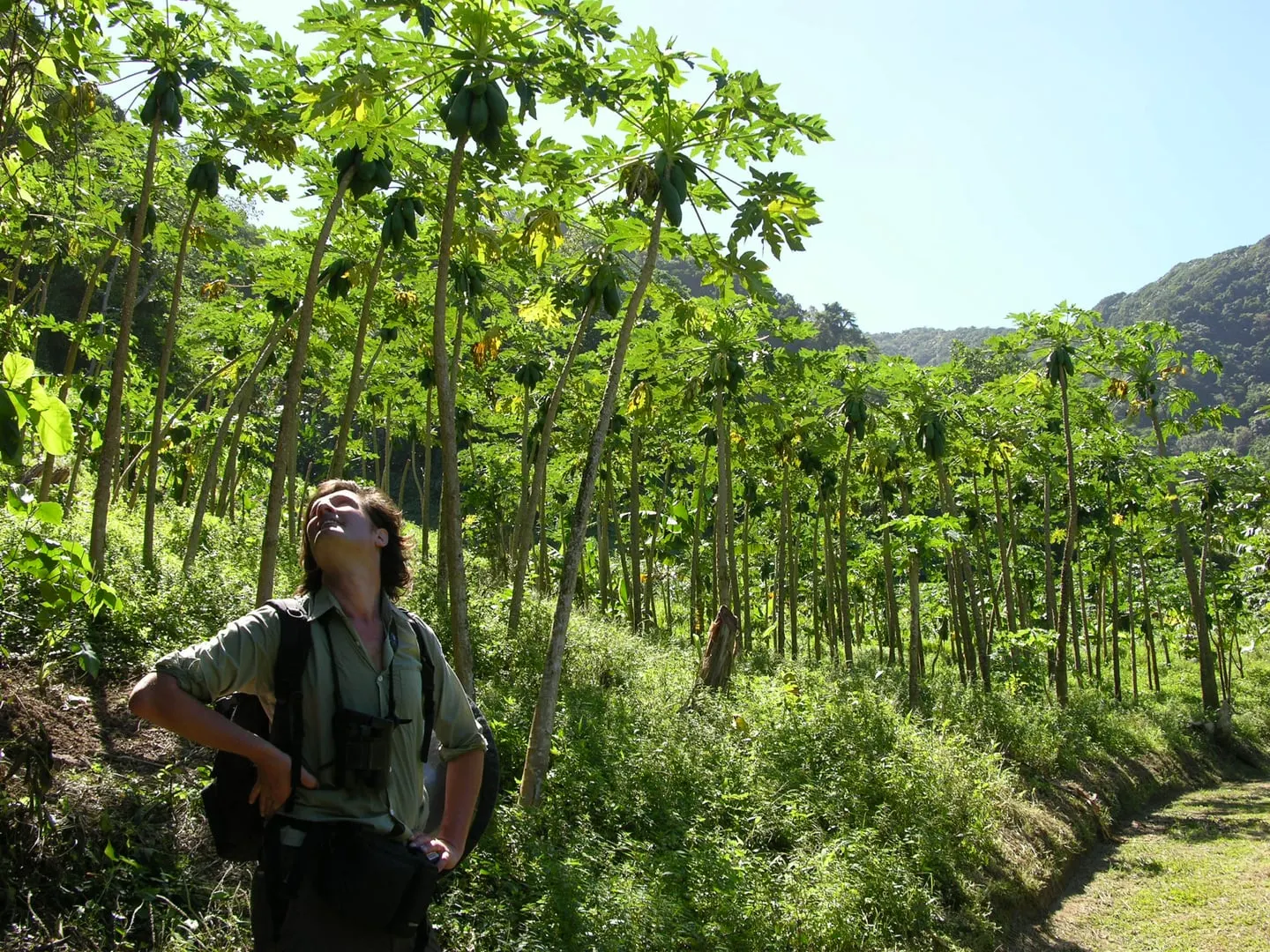
Through meticulous observation of nature and the insects, birds, and other animals that cross his path, Håkansson creates a holistic oeuvre positioned at the intersection of scientific methodology, documentary research, and a romantic sensibility. Seemingly mundane events—such as the flight of a hummingbird or a bird’s call—become the subjects of precise and painstaking documentation, transformed under the Swedish artist’s gaze into an line of dreamlike, almost fantastical utopia. To achieve this, Håkansson employs sophisticated scientific tools and state-of-the-art recording equipment for both sound and image.
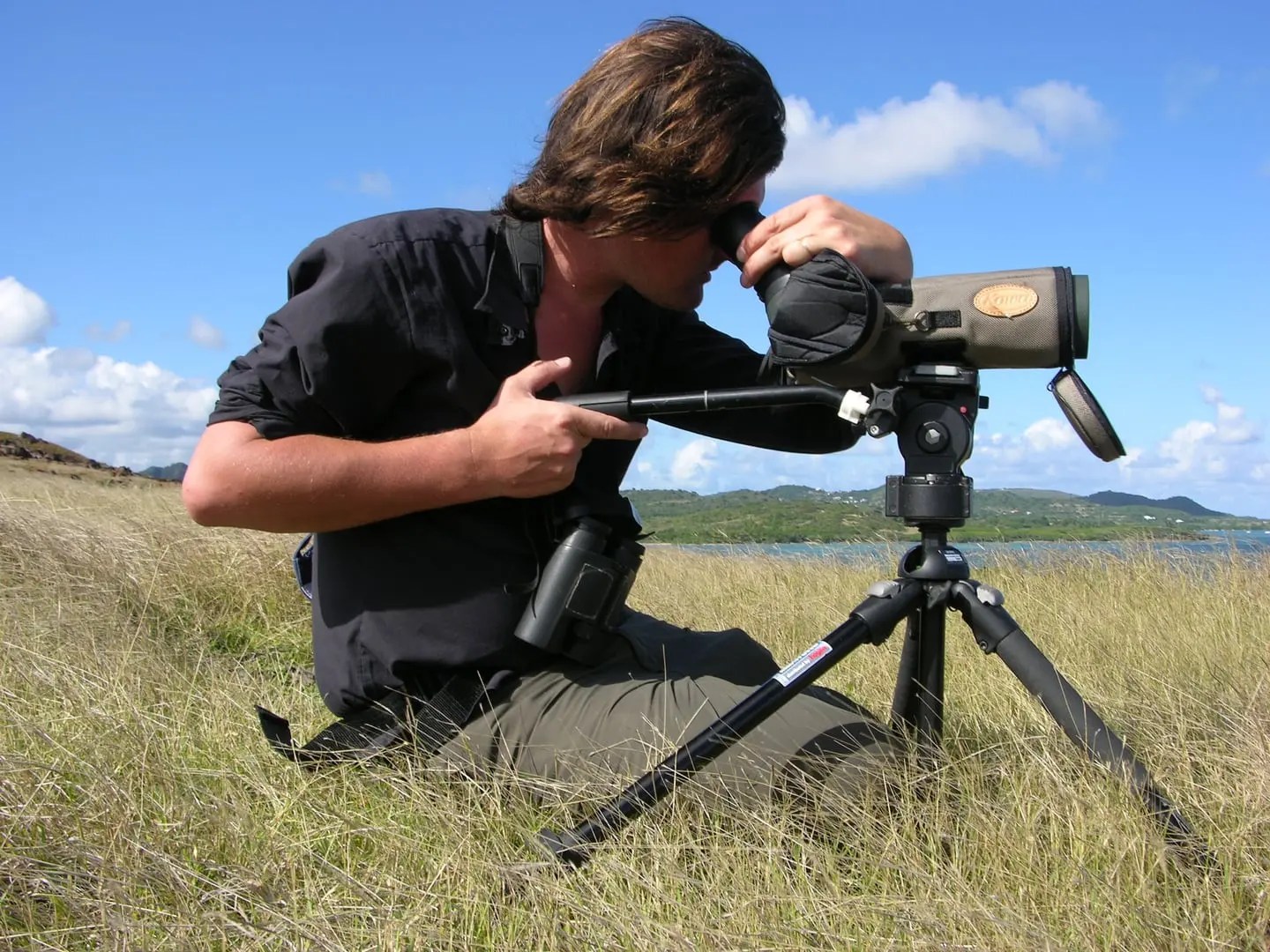
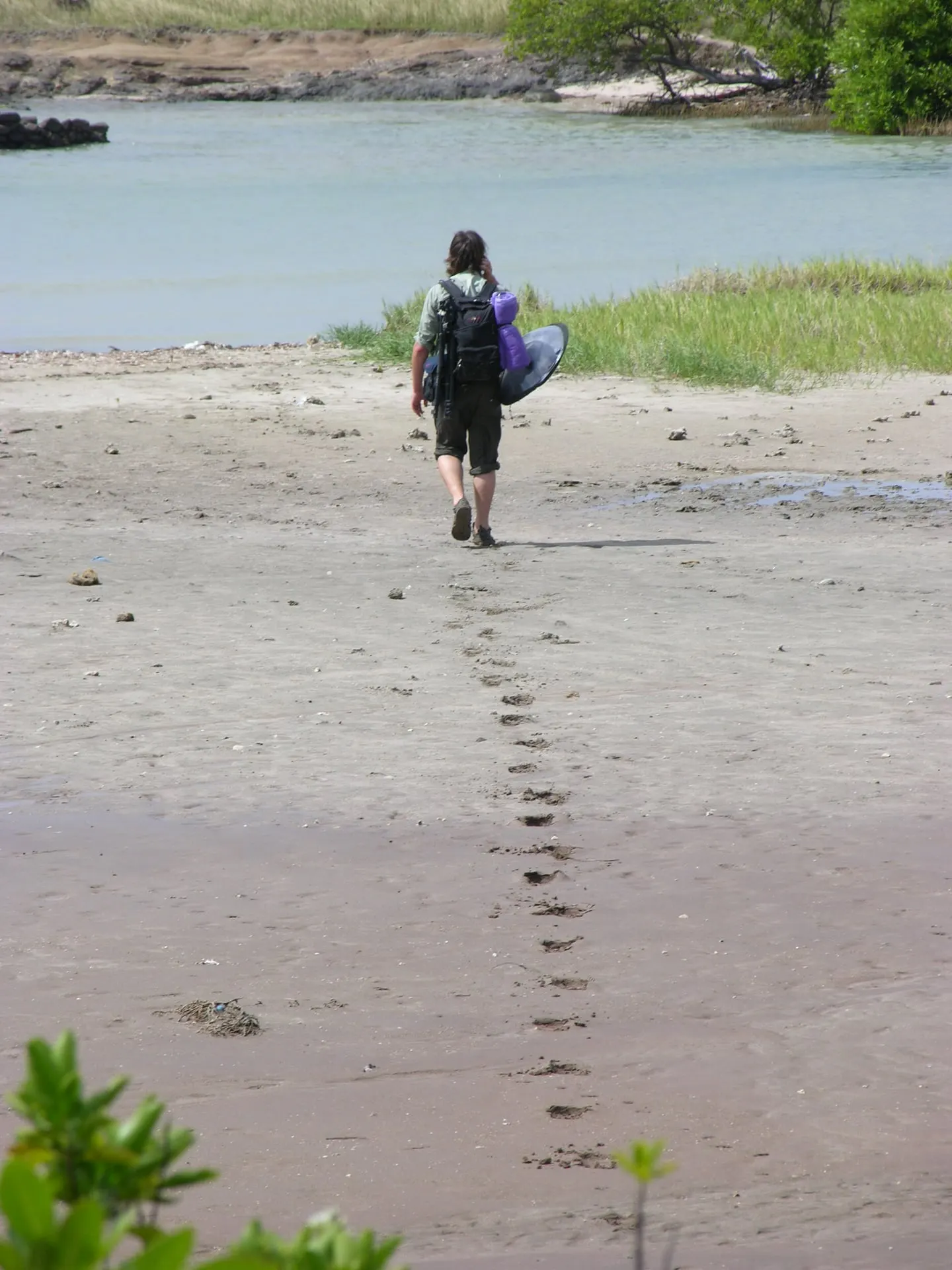
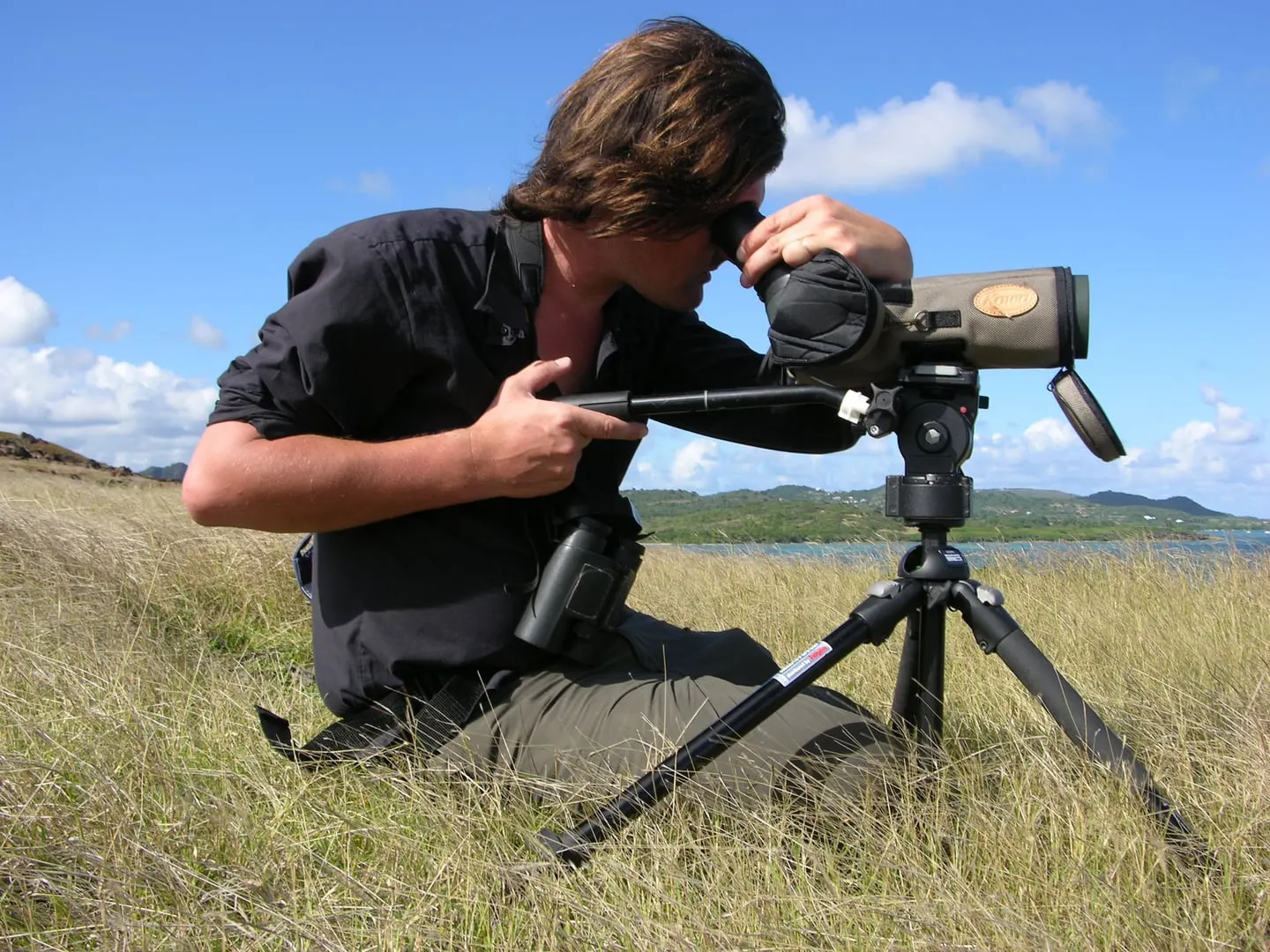
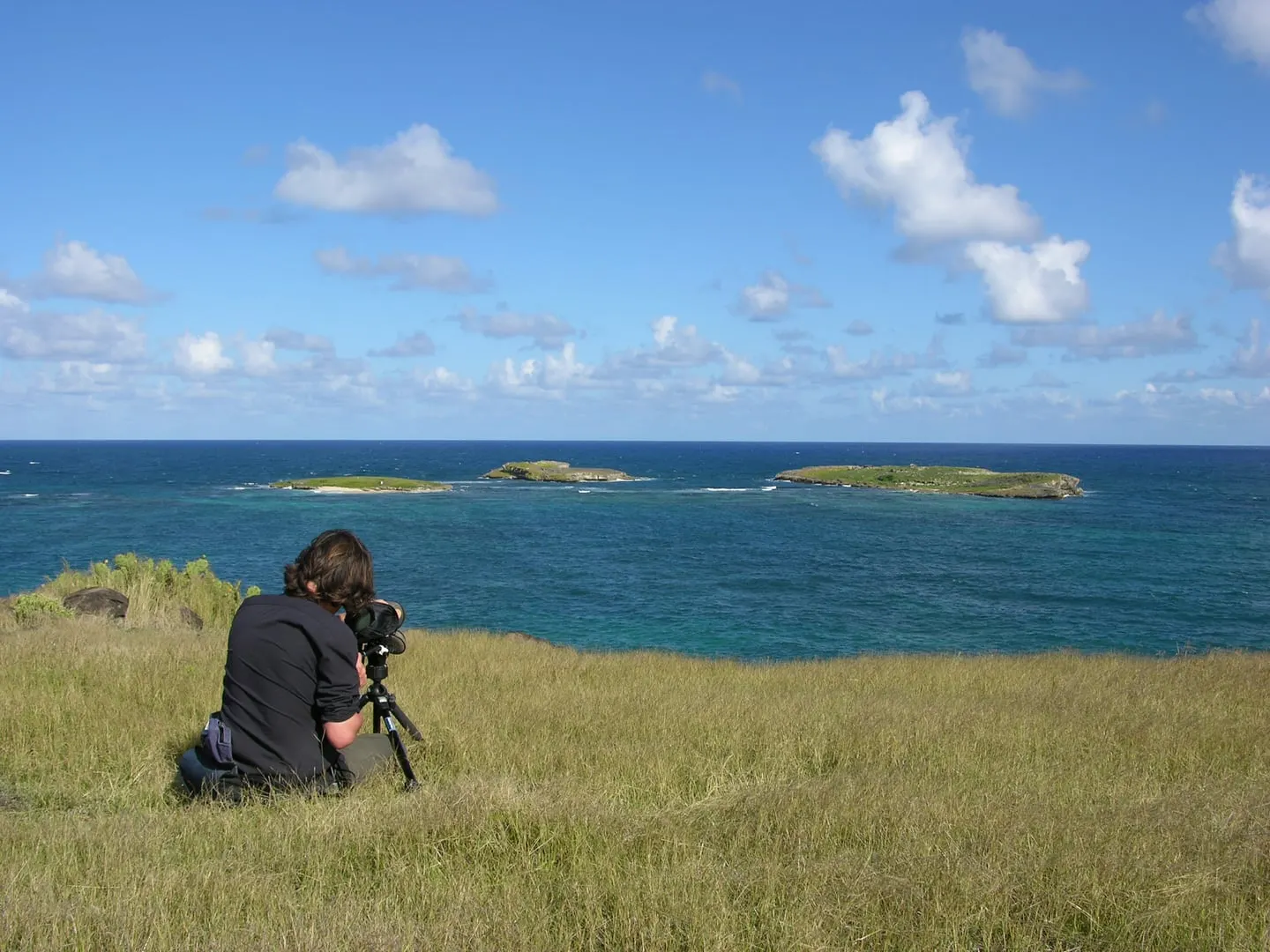
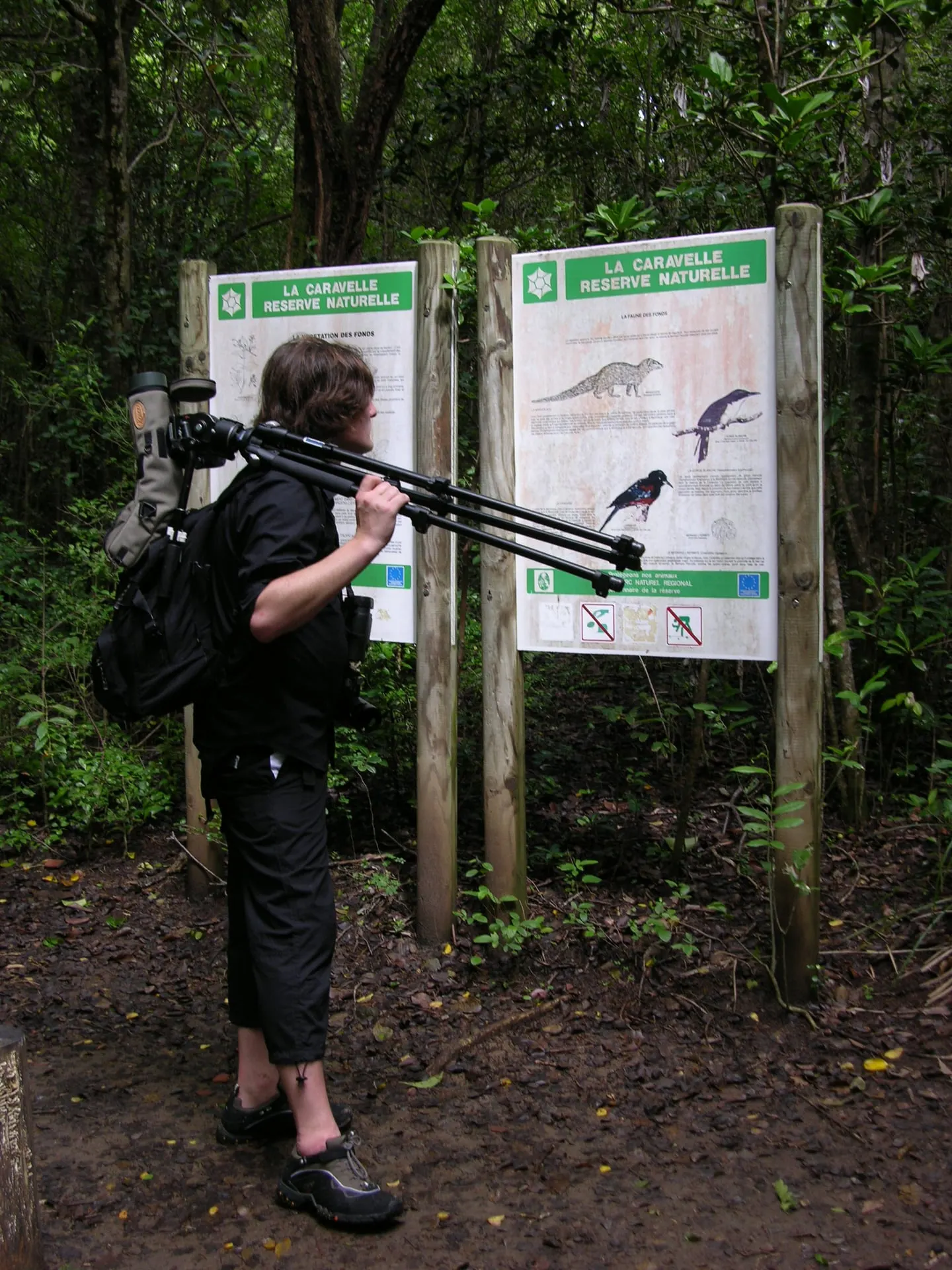
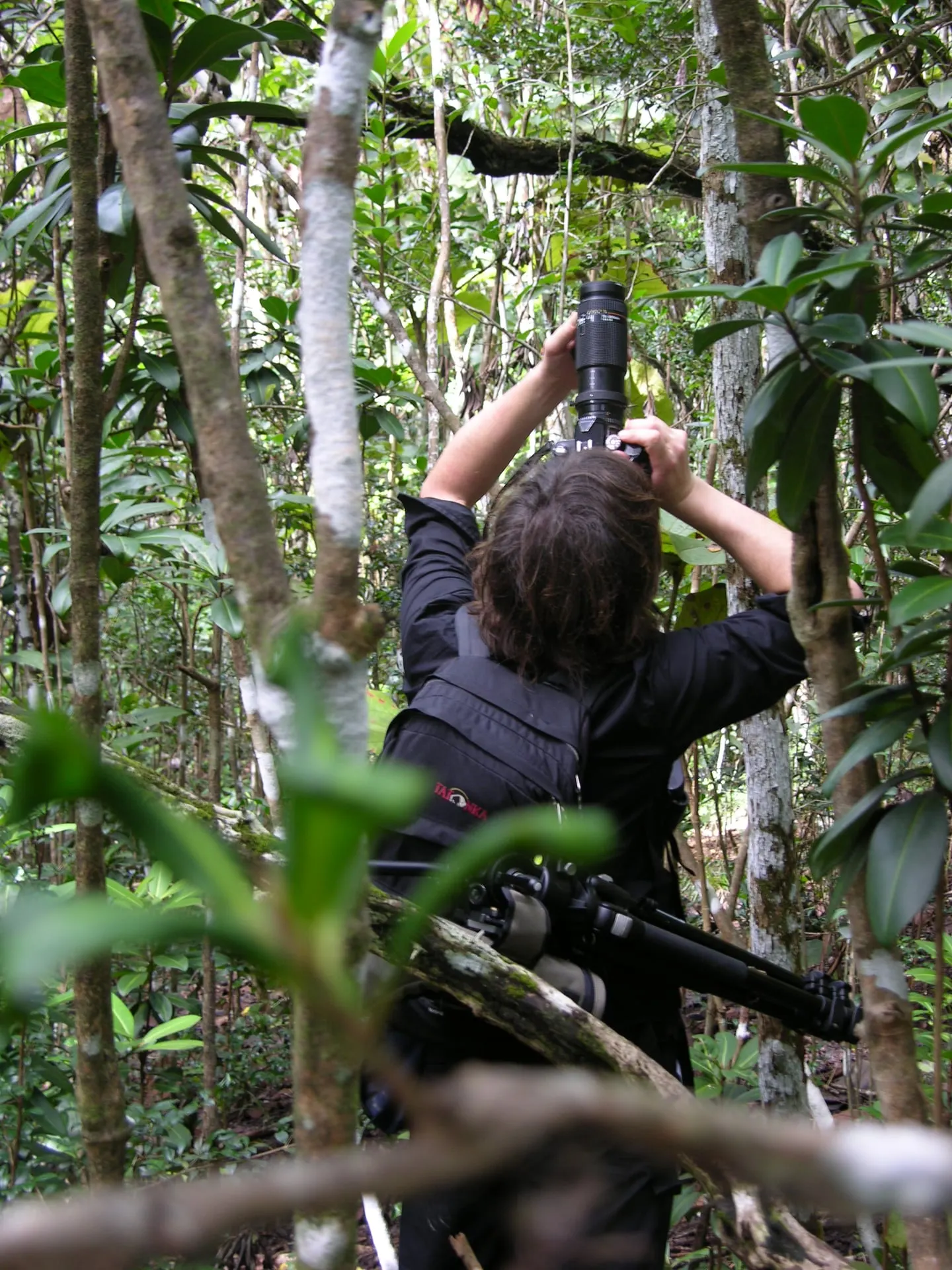
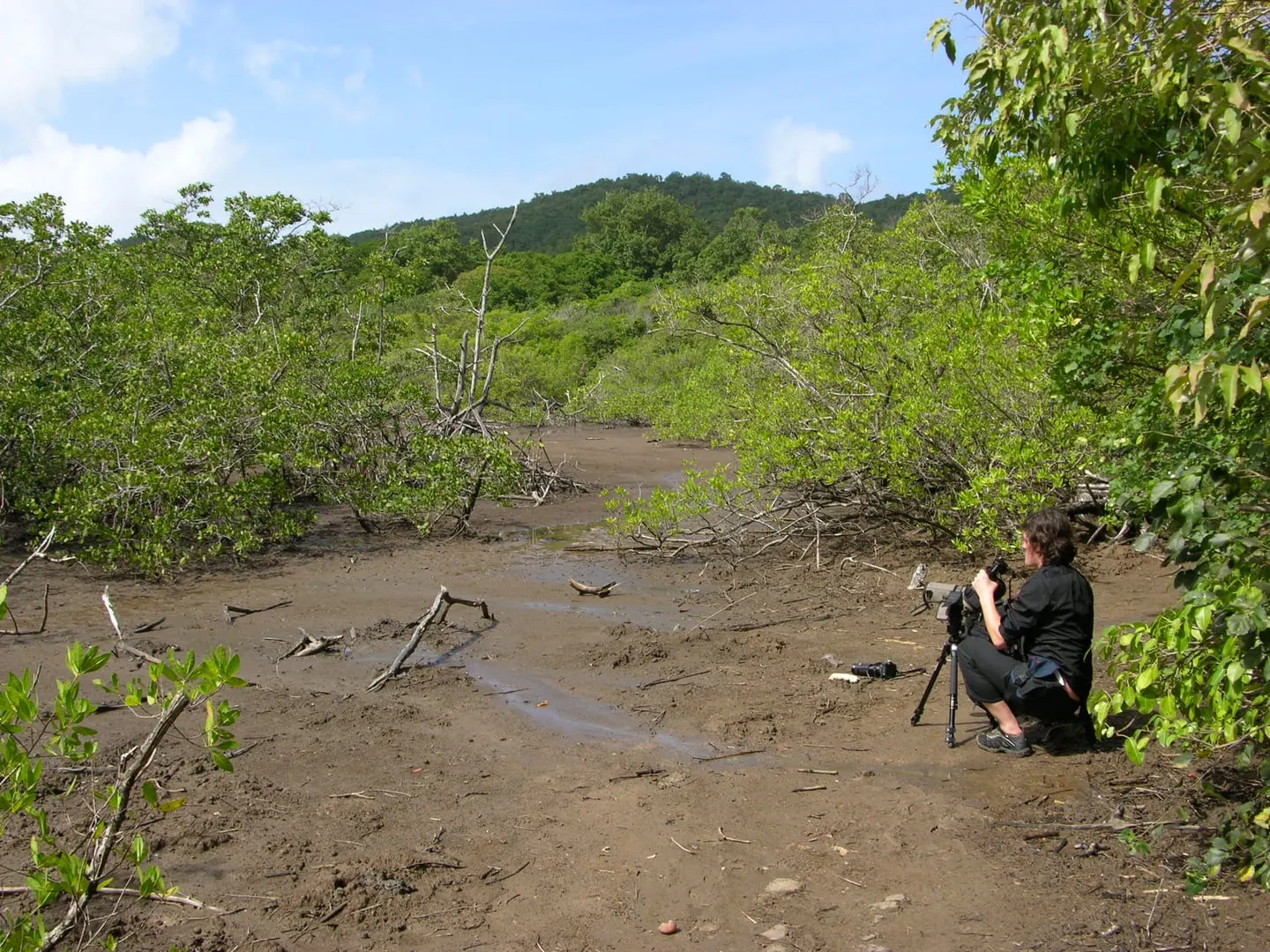
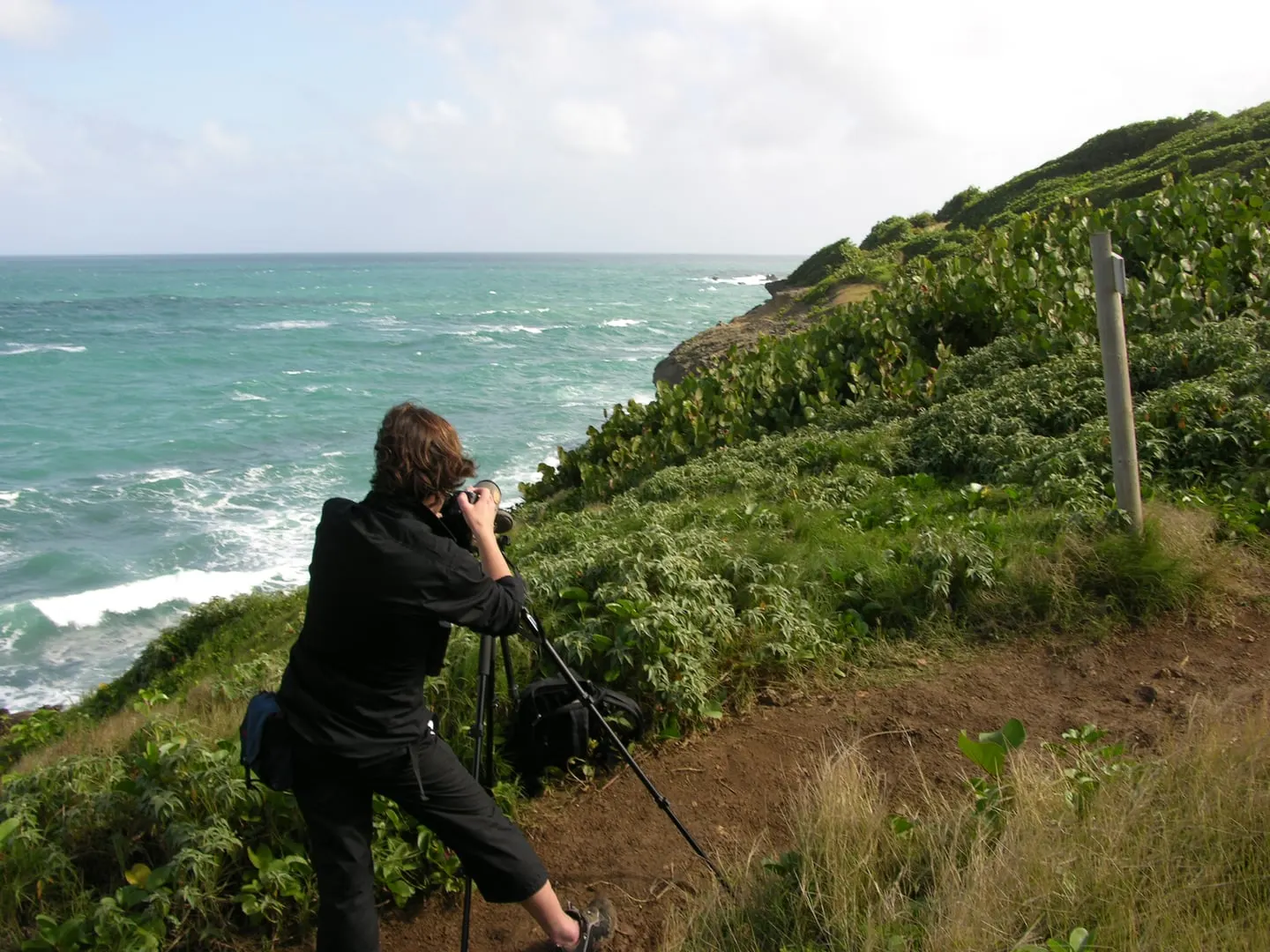
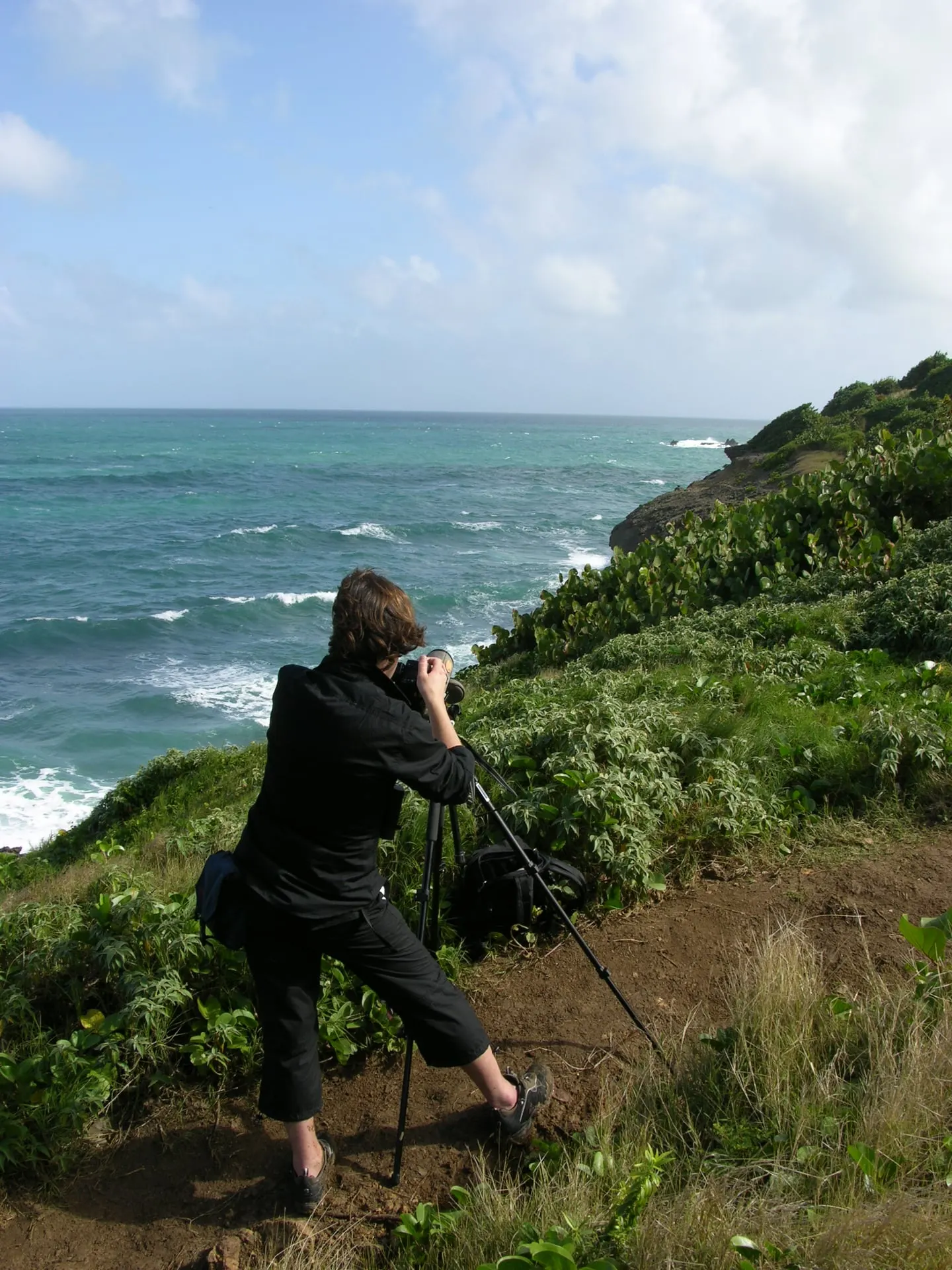
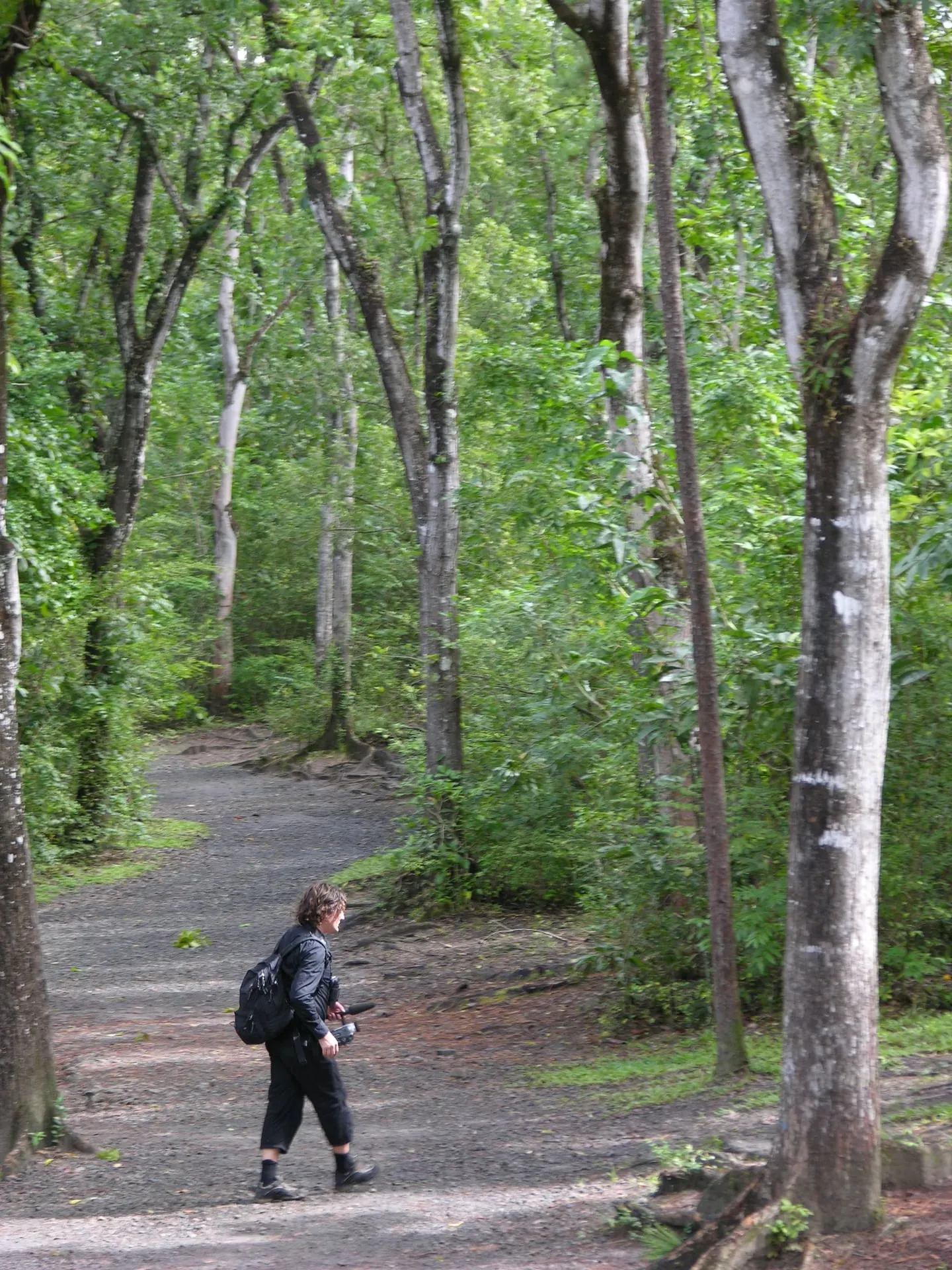
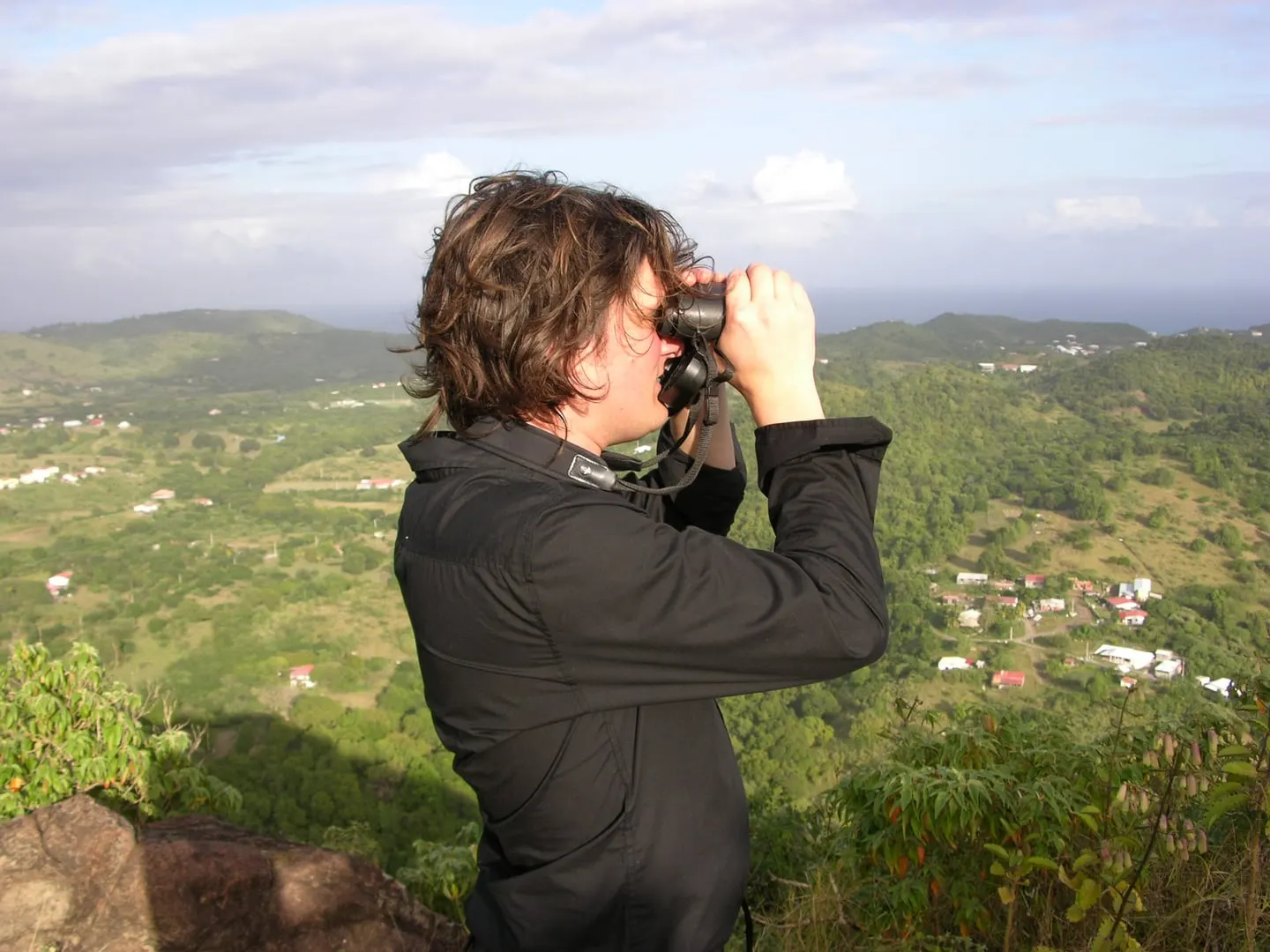
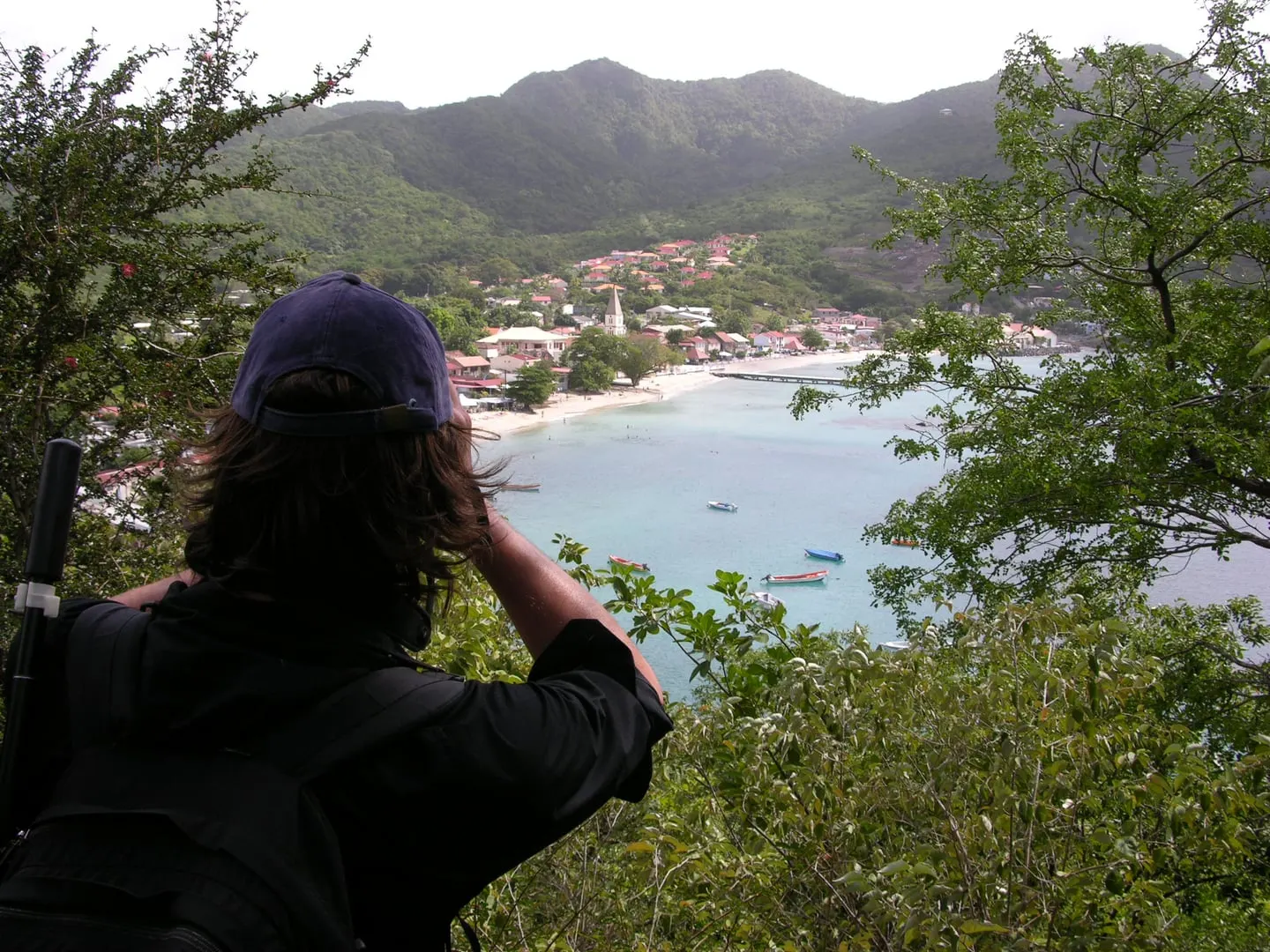
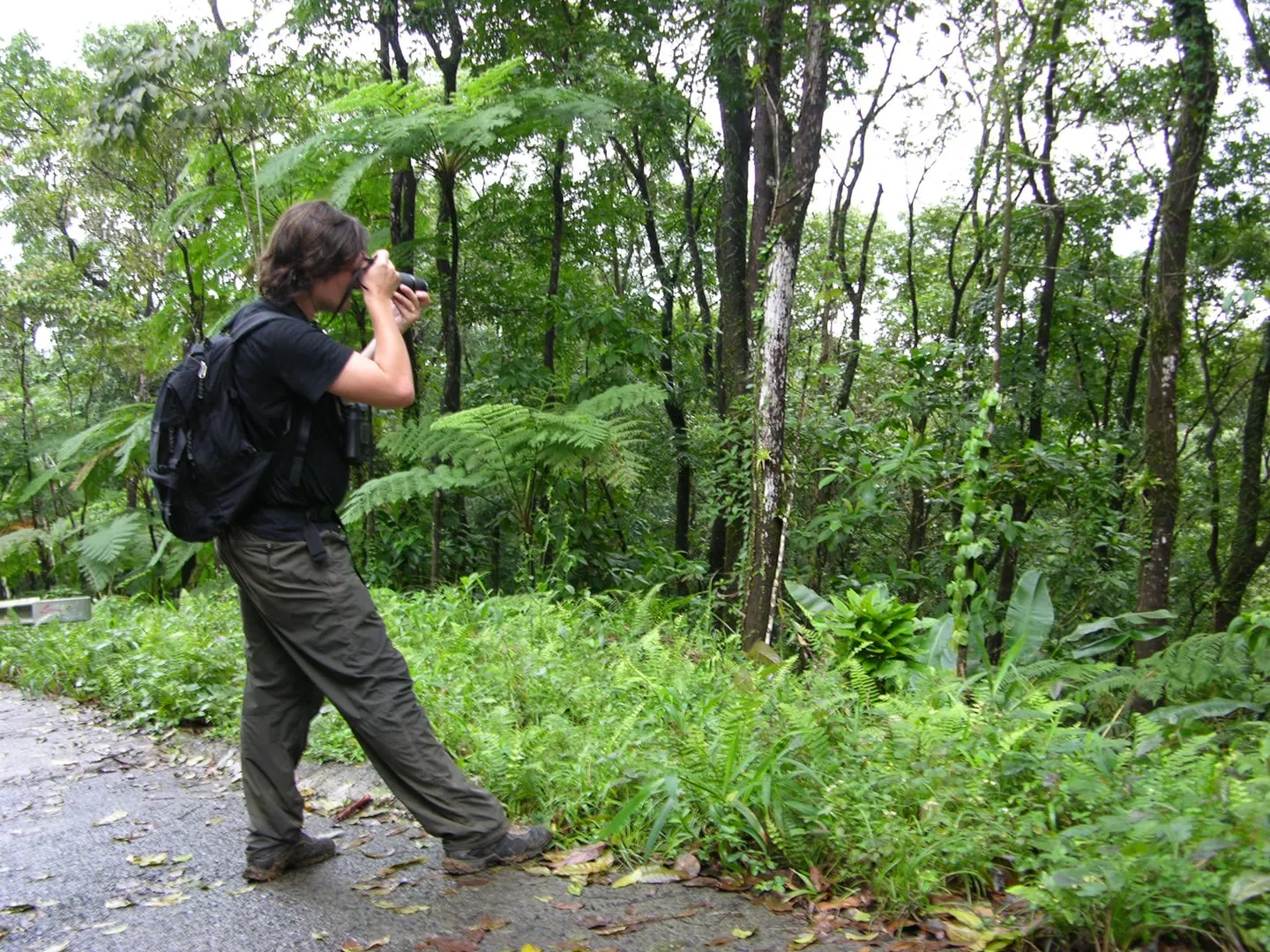
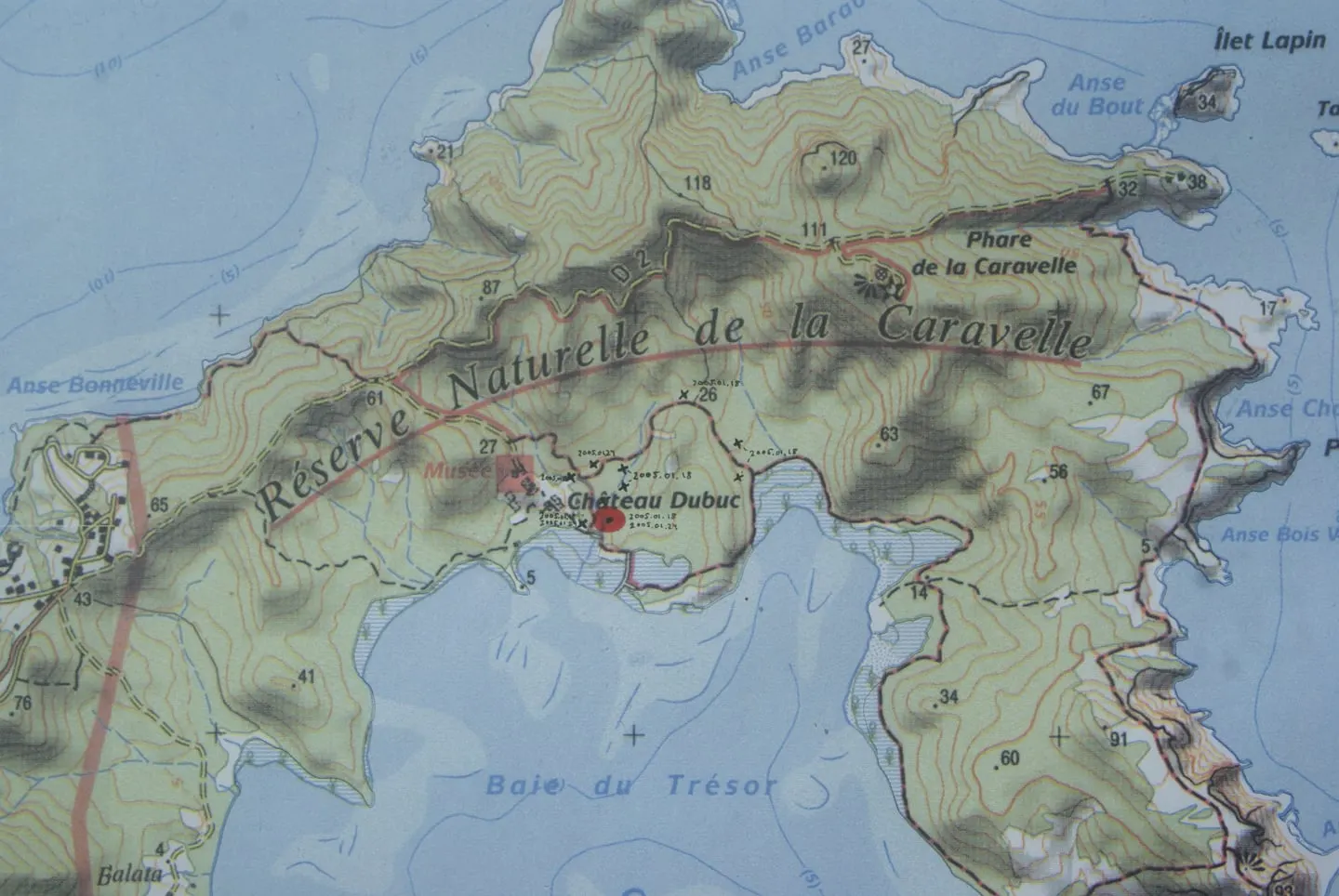
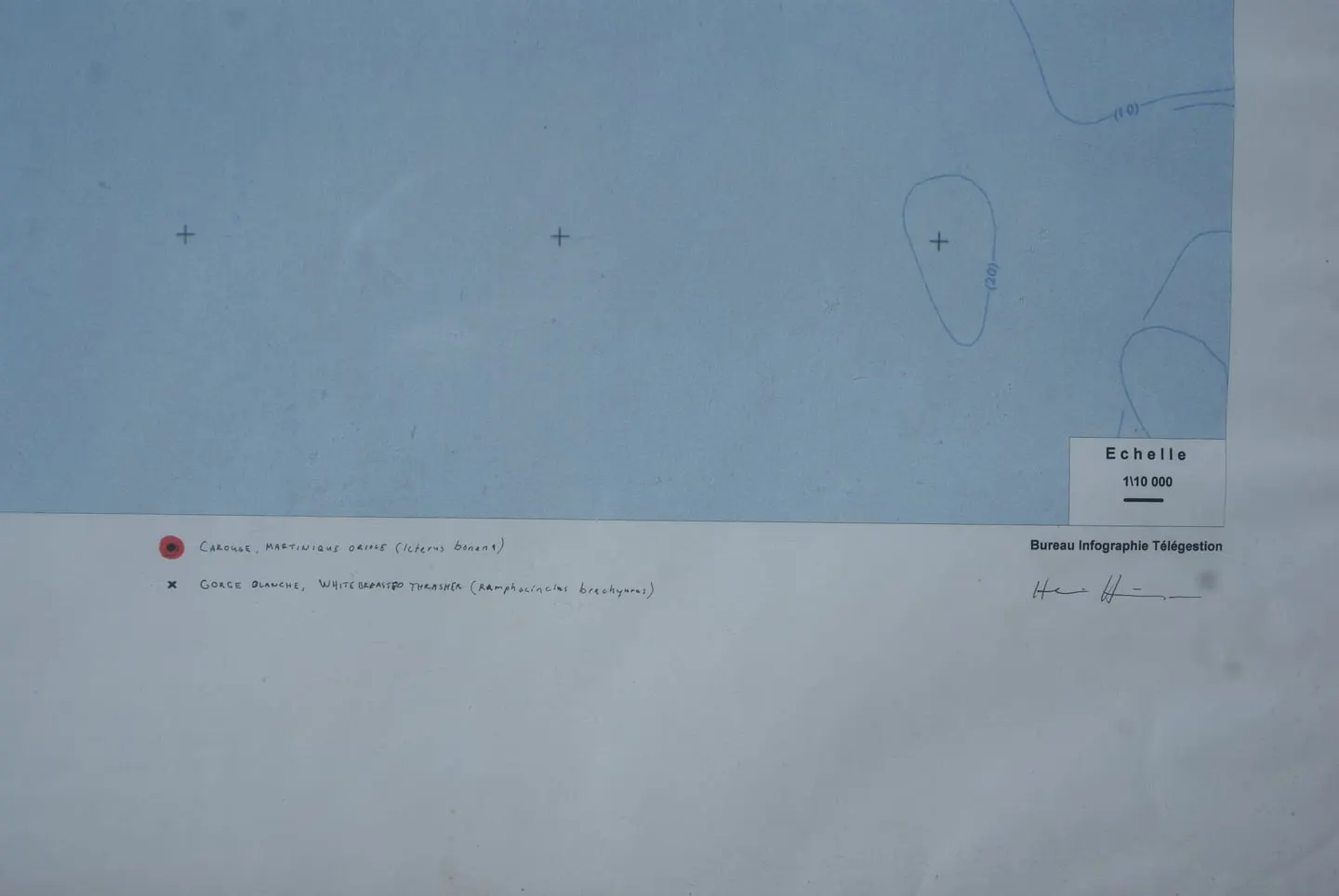
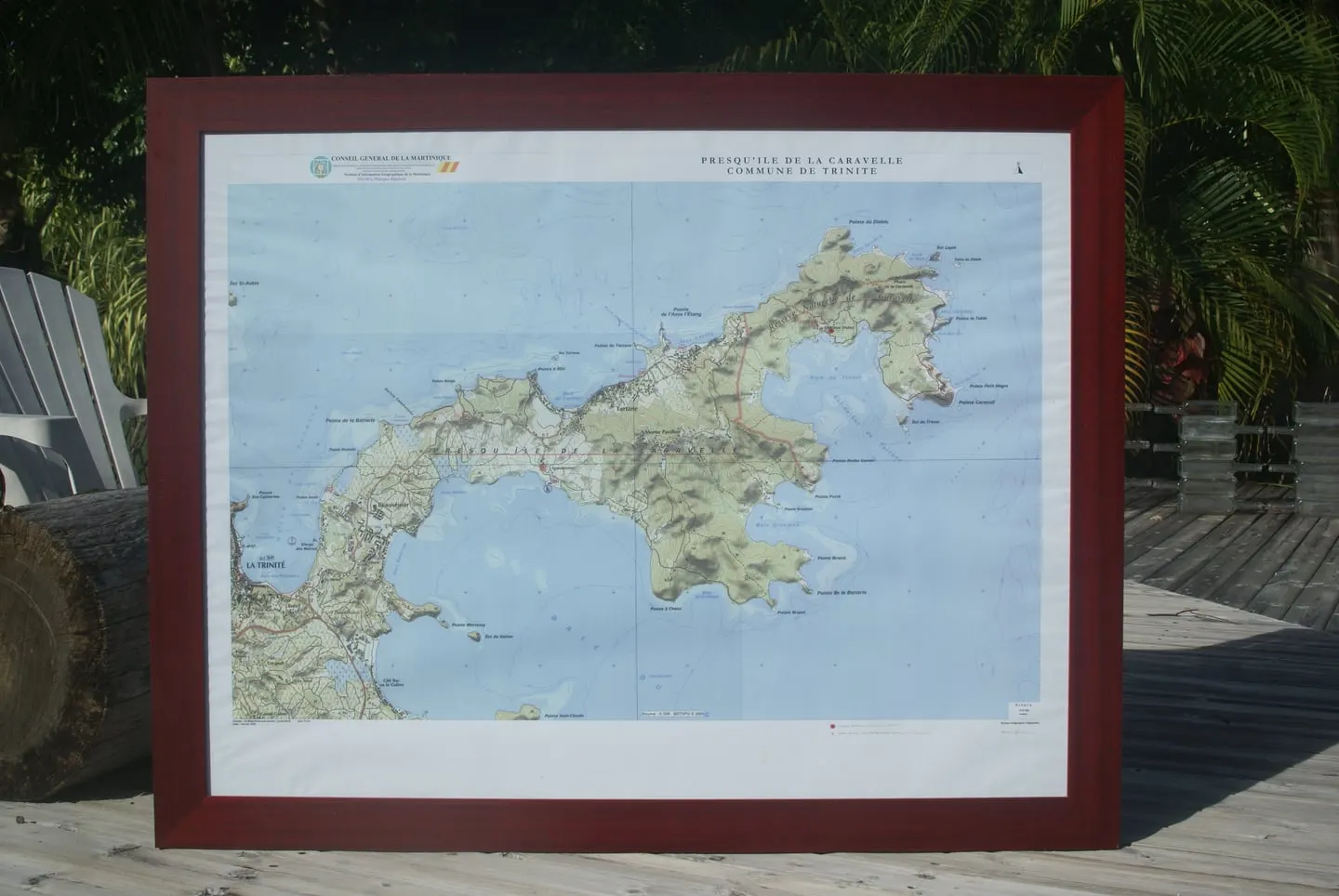
Henrik Håkansson came to Martinique with the intention of creating a piece centered on the Martinique Oriole (Carouge). This bird, endemic to Martinique, has today almost entirely disappeared. After several days spent at La Caravelle, the artist managed to spot and photograph the bird. These brief encounters with the Oriole—as well as with another bird, the White-breasted Thrasher (Gorge Blanche)—were meticulously plotted on a printed map of the Caravelle Peninsula. Through this process, the artist leaves an indelible record of his encounter not only with this rare bird, but with the land of Martinique itself.
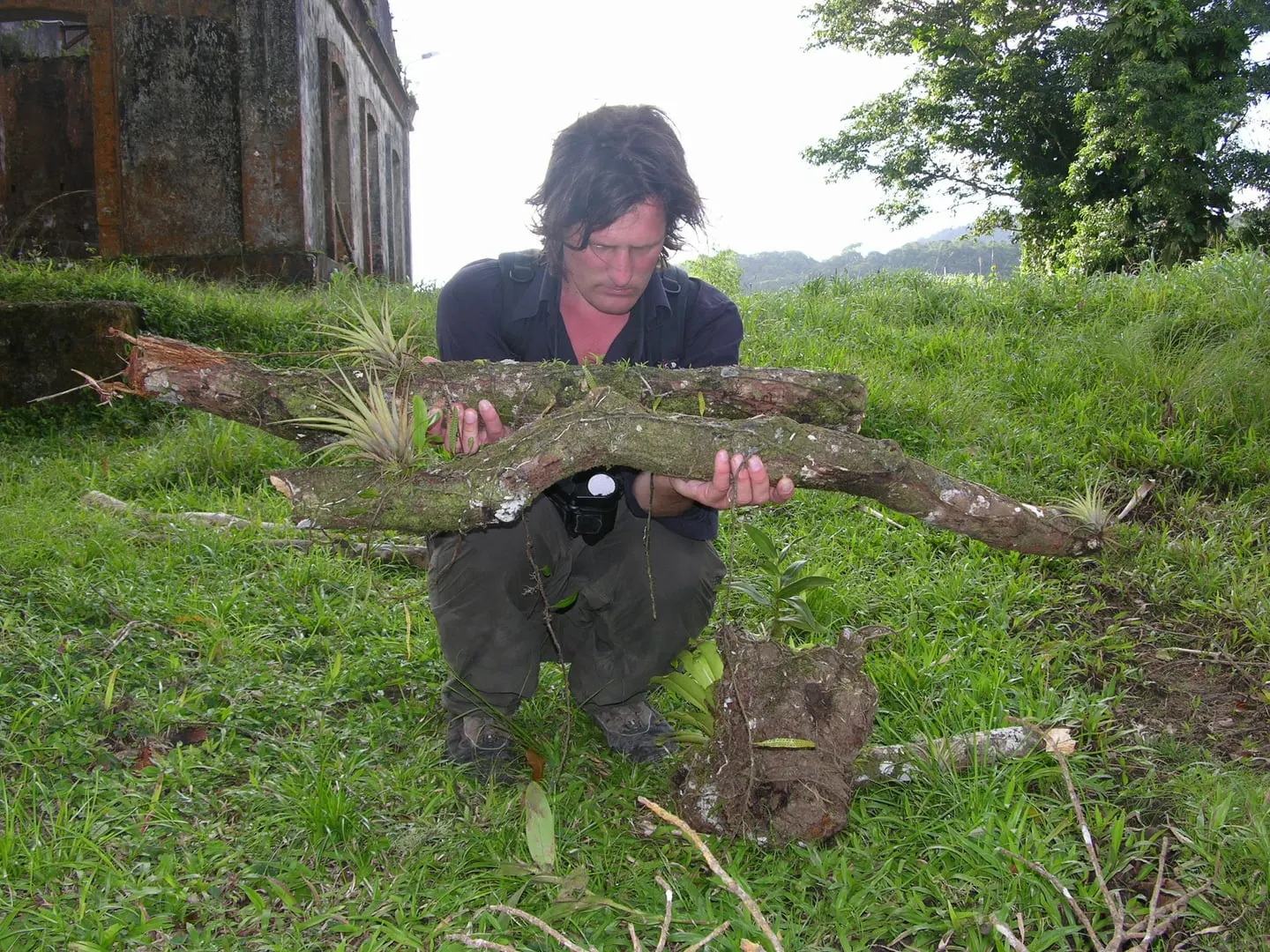
Additionally, at Balata, he created several sculptural works featuring suspended branch fragments from a felled mango tree, upon which wild orchids had taken refuge.
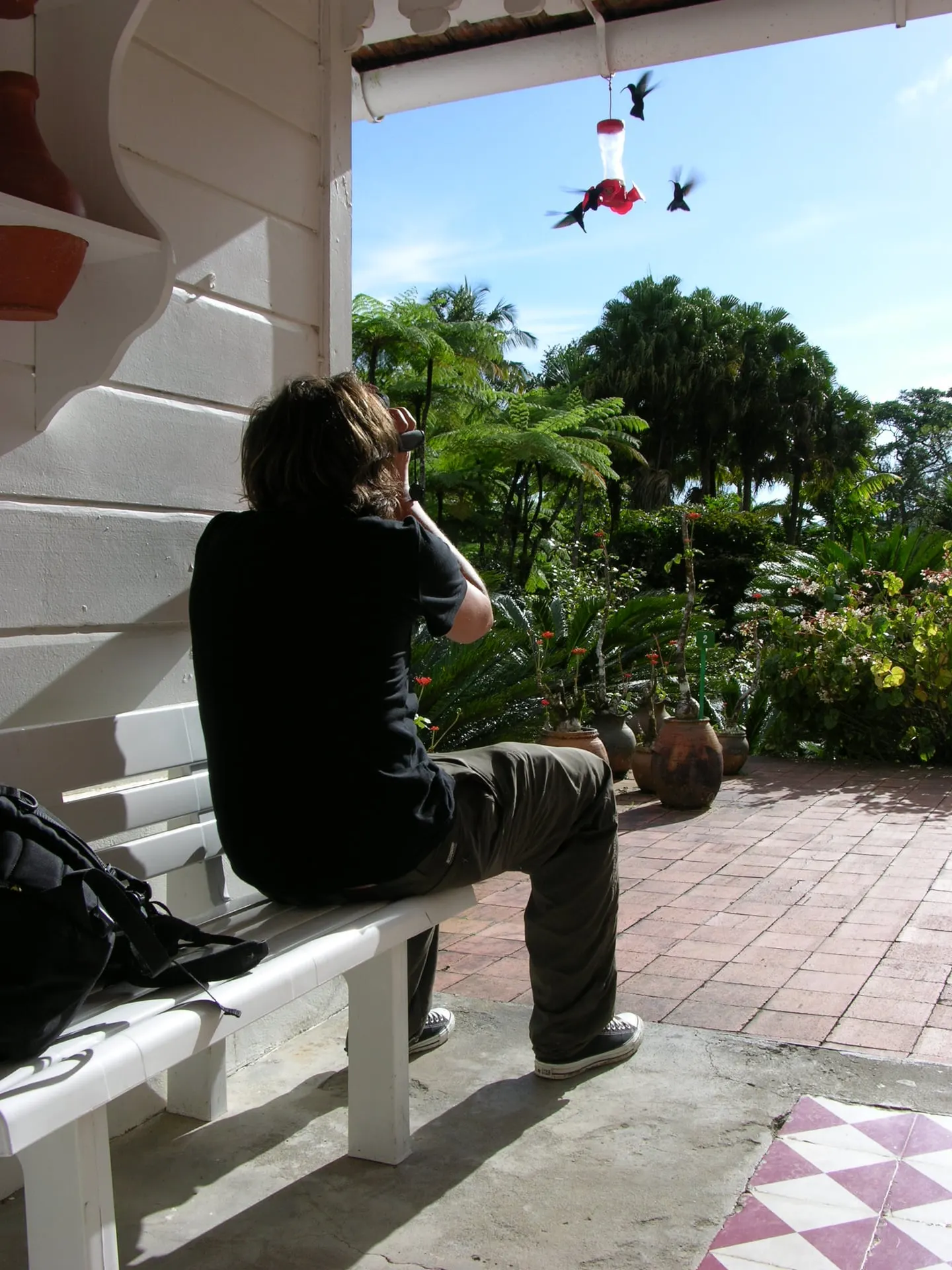
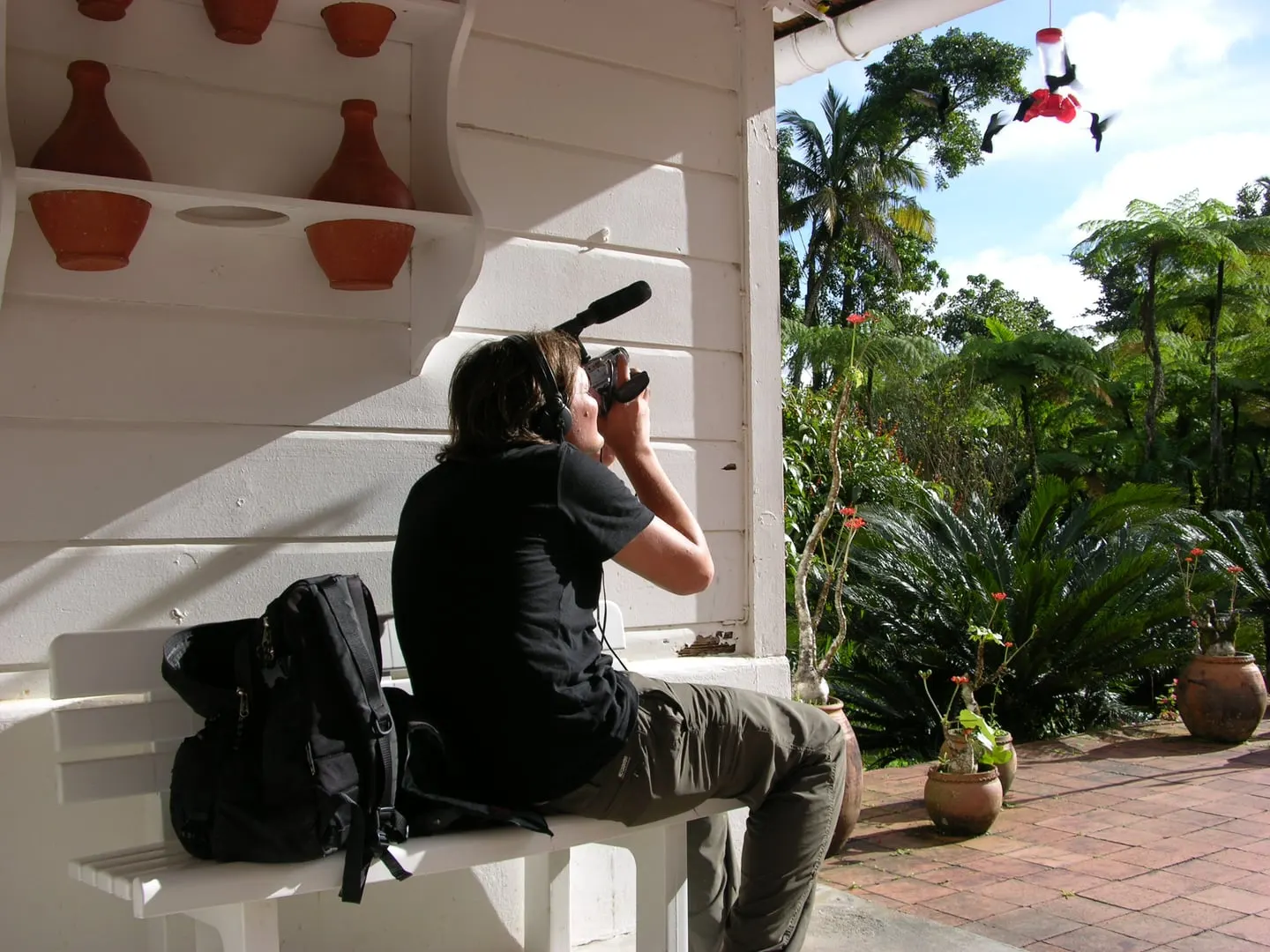
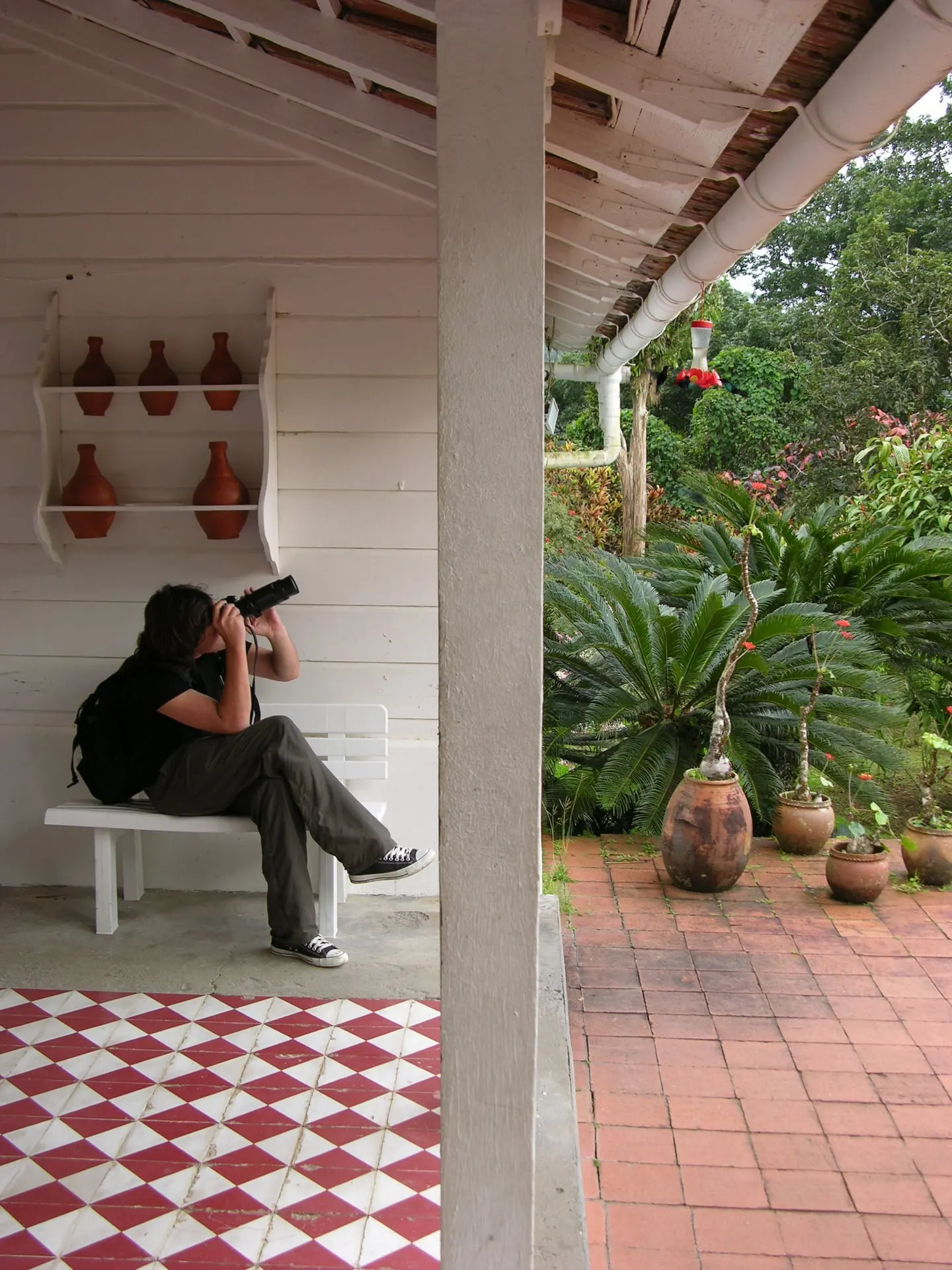
Finally, Håkansson produced three video works based on observations of hummingbirds (at the Balata Garden), bats, and frogs nestled in the heart of aloe vera plants (at Pointe Chaudière, Vauclin). These pieces were exhibited at the Palais de Tokyo during the exhibition Tropico-Végétal (Lost in Paradise) from June 9 to August 27, 2006.
The artist notes: “I have always been more interested in what wasn’t me, the non-human, the other, different animals for instance. In many of my works, I have tried to build a bridge and create a dialogue between my own human sphere and what is different. Pointing a camera at someone is not exactly starting a dialogue, but in the future, I hope the different units of my project can be interconnected to form a broader system where human isolation disappears.” — Excerpts from “Henrik Håkansson” in “Talk with Daniel Birnbaum,” exhibition catalogue, Henrik Håkansson, Kunsthalle Basel, 1999.
Documentary gallery
Creations
Rights
Publication rights for the photographs confirmed by Frédéric Guilbaud on 23 August 2026.